
Donations funded 86% of the Hospital’s equipment investments in 2025
Support from donors made it possible to acquire from neonatal incubators and hemodialysis equipment to video systems for surgeries and high-precision diagnostic tests
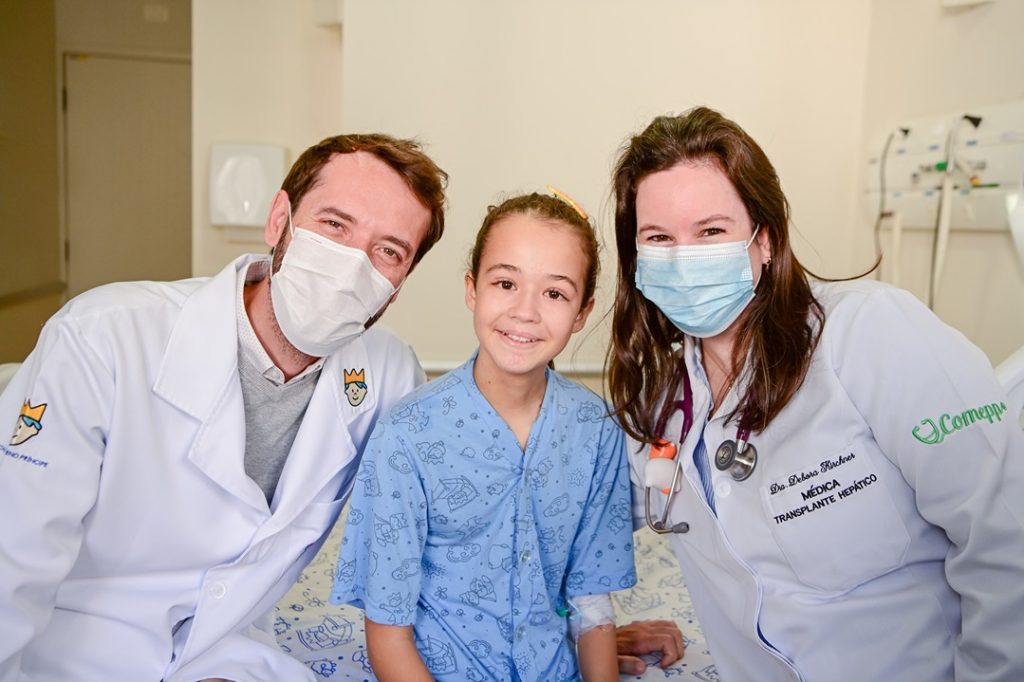
When little Julia arrived at Pequeno Príncipe Hospital from the state of Santa Catarina aboard an air ambulance, time was already running against her. What had started as acute hepatitis quickly progressed to fulminant hepatitis, a severe condition that impairs liver function and can become fatal within days.
Upon admission, the girl was immediately placed on the transplant waiting list. But the urgency of her condition left no time to wait. After a series of tests, her mother, who shared the same blood type, became the donor of a portion of her own liver.
During the pre- and postoperative periods, Julia required support from a Prisma hemodialysis machine, used to temporarily assist kidney function and stabilize critically ill patients. The equipment is part of the investments made by the Hospital to provide care for highly complex cases like hers.
Stories like Julia’s help illustrate the importance of donated resources to Pequeno Príncipe Hospital. In 2025, funds raised through companies, foundations, social investors, government agencies, legislators, the Judiciary, and various incentive mechanisms accounted for 86% of all investments made in the acquisition and renewal of the institution’s equipment.
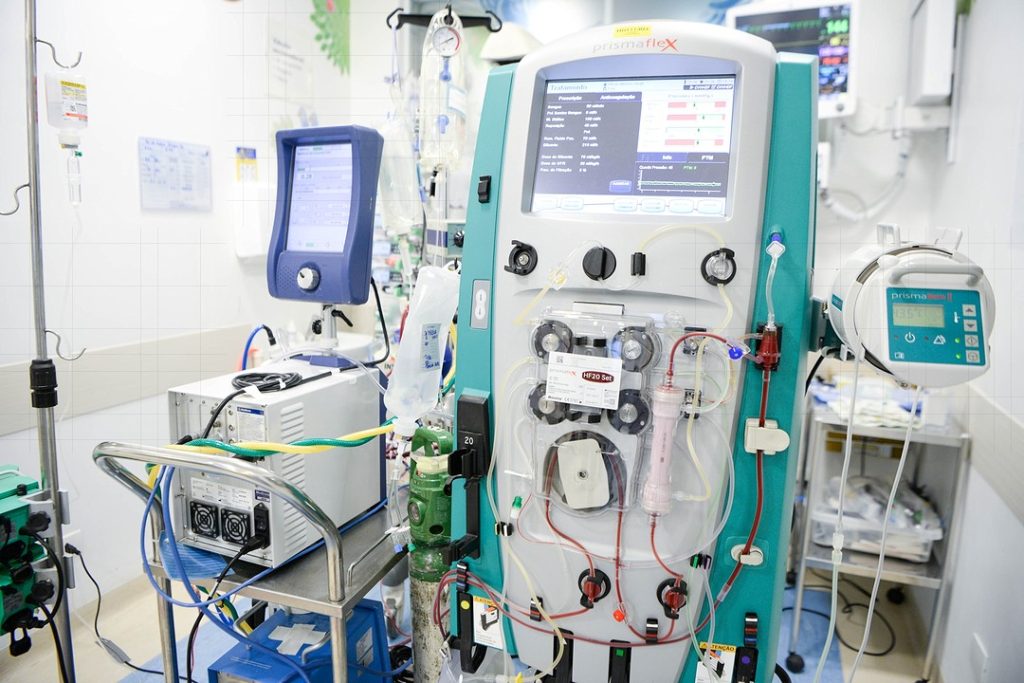
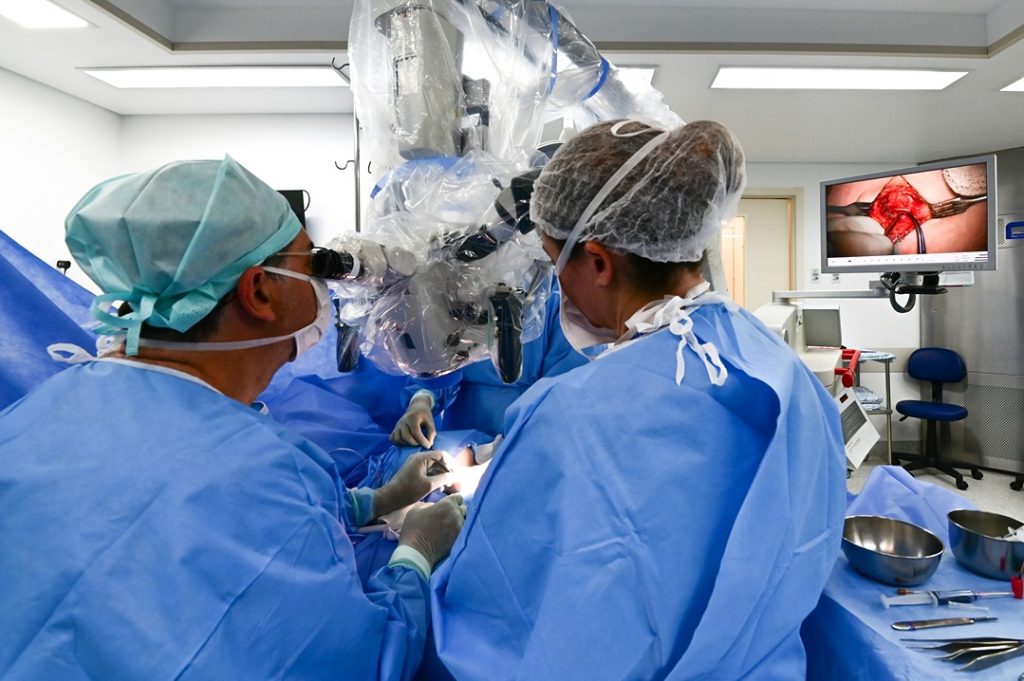
In addition to hemodialysis equipment, the Hospital acquired anesthesia machines for endoscopy procedures, ultrasound systems for specialties such as cardiology, video endoscopy systems, multiparameter monitors for intensive care units, neonatal incubators, bronchoscopes, video surgery towers, surgical instruments, and other devices.
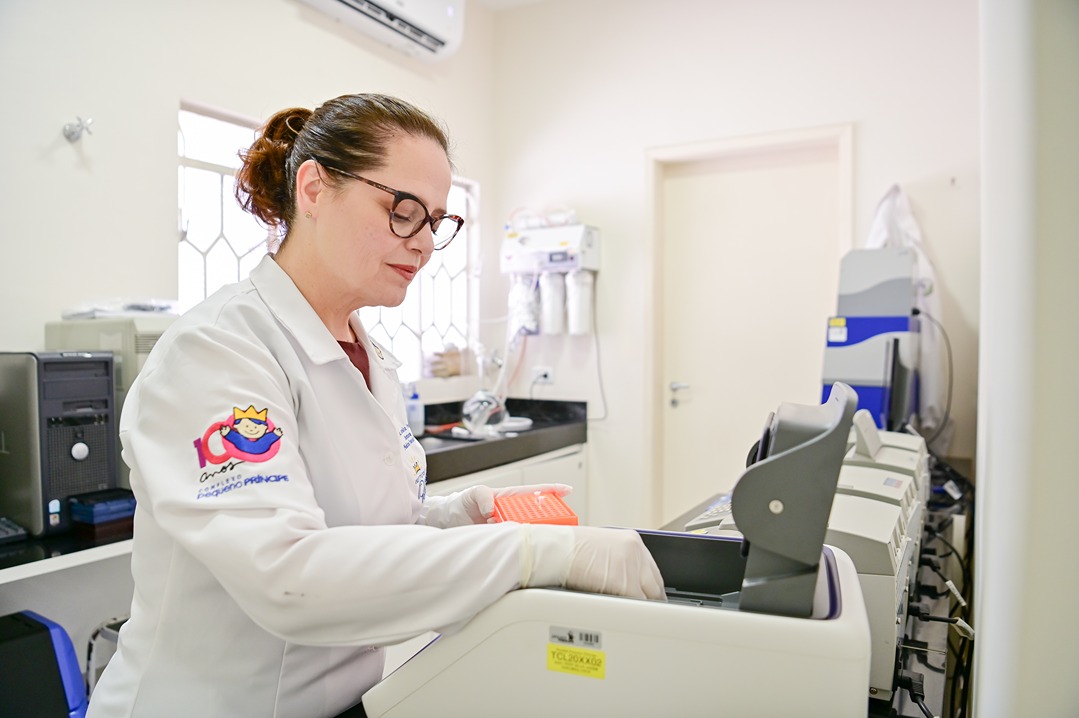
Part of these investments was also directed toward essential support areas. These included the modernization of the electrical distribution system, which ensures the activation of backup generators during power outages and keeps critical infrastructure such as operating rooms, intensive care units, and life-support equipment functioning; the enhancement of the Hospital’s data center; and the acquisition of laboratory equipment that contributes to faster and more accurate diagnoses.
The challenge of delivering the best medicine
Keeping up with technological advances is a constant challenge for philanthropic healthcare institutions. Unlike the expenses required to sustain the Hospital’s daily operations, investments in infrastructure and equipment demand additional resources to keep pace with advances in diagnostic and therapeutic methods.
At Pequeno Príncipe Hospital, which dedicates approximately 70% of its care capacity to Brazil’s Public Health System (known as SUS), donations make it possible to incorporate technologies that expand diagnostic capabilities, improve procedural safety, and enhance the quality of care provided to patients.
When a child arrives at Pequeno Príncipe Hospital for an examination, surgery, or highly complex treatment, they find a structure that combines cutting-edge technology, highly specialized professionals, and facilities designed to provide safety and precision at every stage of care.
Your support changes lives
Behind every piece of equipment acquired is a network of solidarity made up of individuals, companies, and institutions that believe every child has the right to health and life. Those who wish to be part of this transformation can support Pequeno Príncipe Hospital and help ensure that more children and adolescents have access to life-saving diagnoses, treatments, and technologies. Click here to learn how you can help.
See more
Research identifies novel genetic variants and expands the diagnosis of rare diseases
A study conducted by the Pelé Pequeno Príncipe Research Institute, supported by the Pequeno Príncipe Gala, demonstrates how whole-exome sequencing can help identify rare genetic diseases in childhood
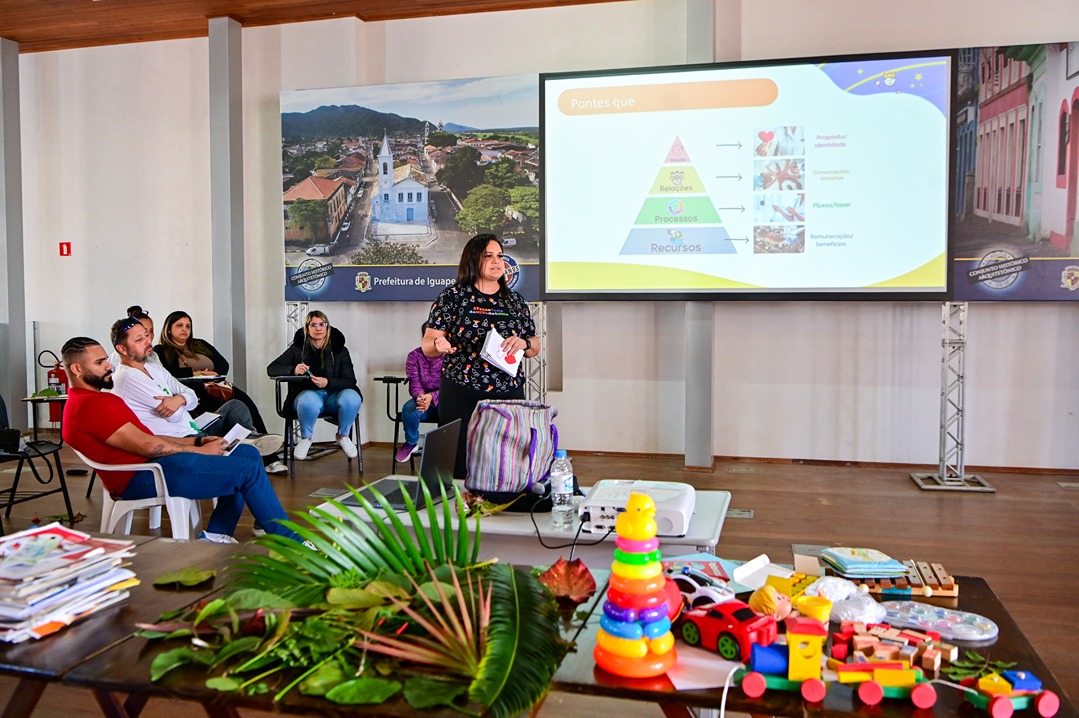
Pequeno Príncipe’s experience strengthens early childhood care in a municipality in São Paulo state
A project developed with the support of the Tecendo Infâncias Institute brought training to healthcare professionals in Iguape, expanding practices focused on child development and the humanized care of children and their families
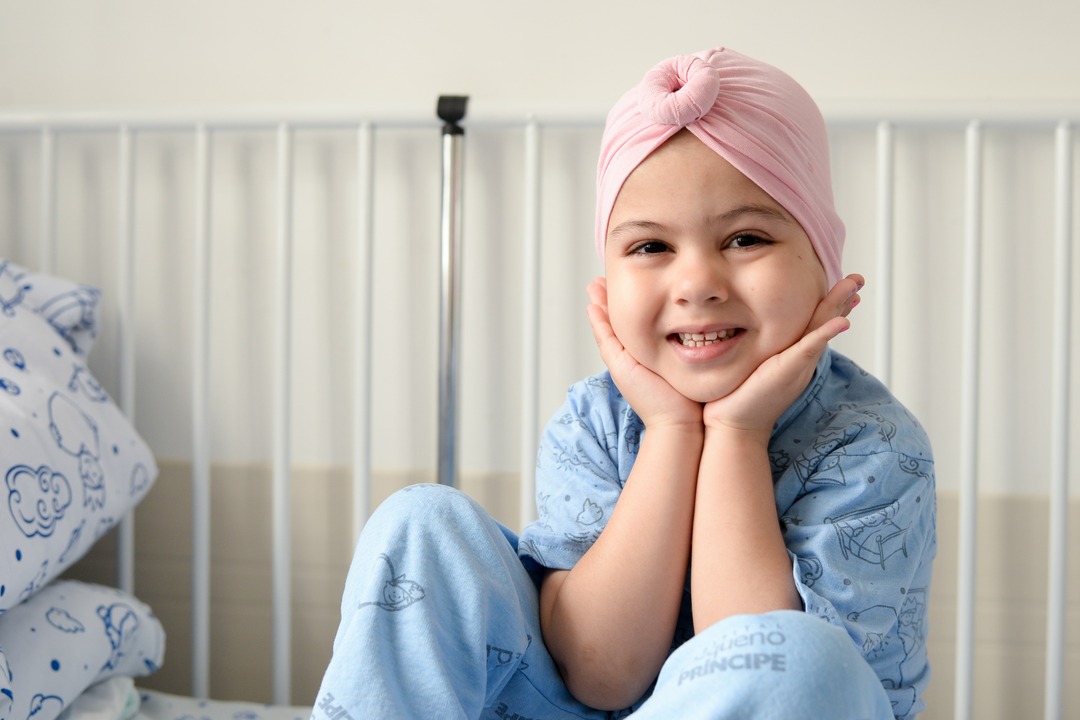
When SUS (Brazilian Public Health System) coverage falls short, solidarity steps in
In 2025, Pequeno Príncipe Hospital allocated more than US$ 1.84 million to supplement the purchase of medications used in the treatment of patients covered by SUS. Many of these medications are either not covered or receive insufficient funding through the public healthcare system
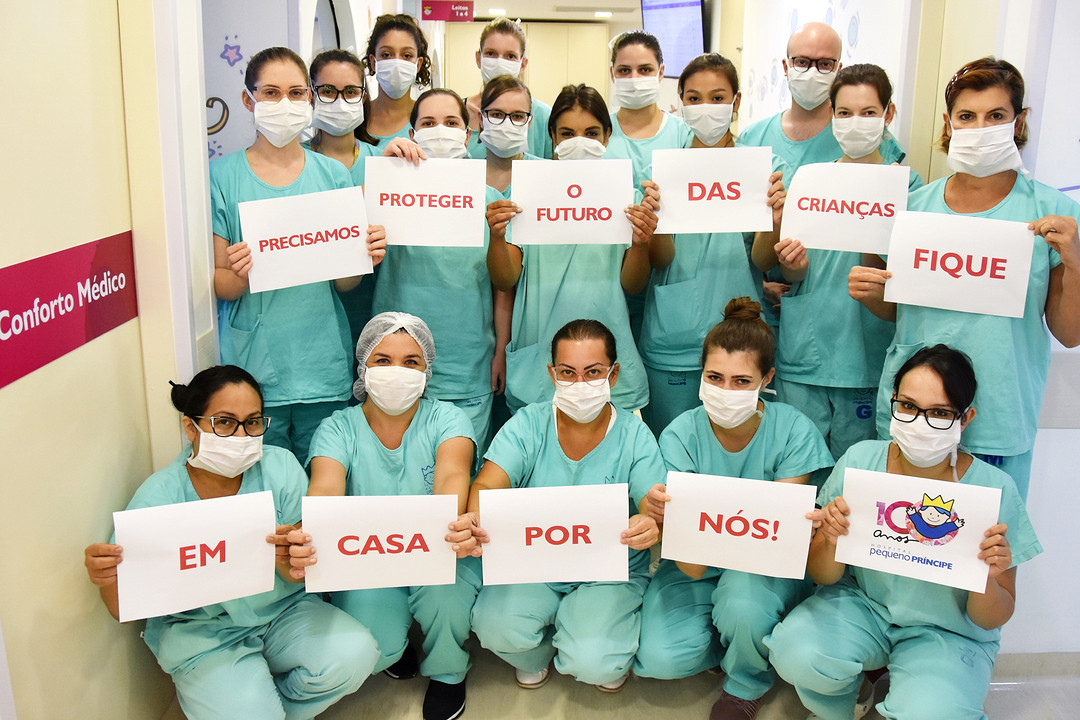
One Health: why human, animal, and environmental health are connected
At the Pequeno Príncipe Complex, this vision guides initiatives aimed at promoting health with a commitment to future generations
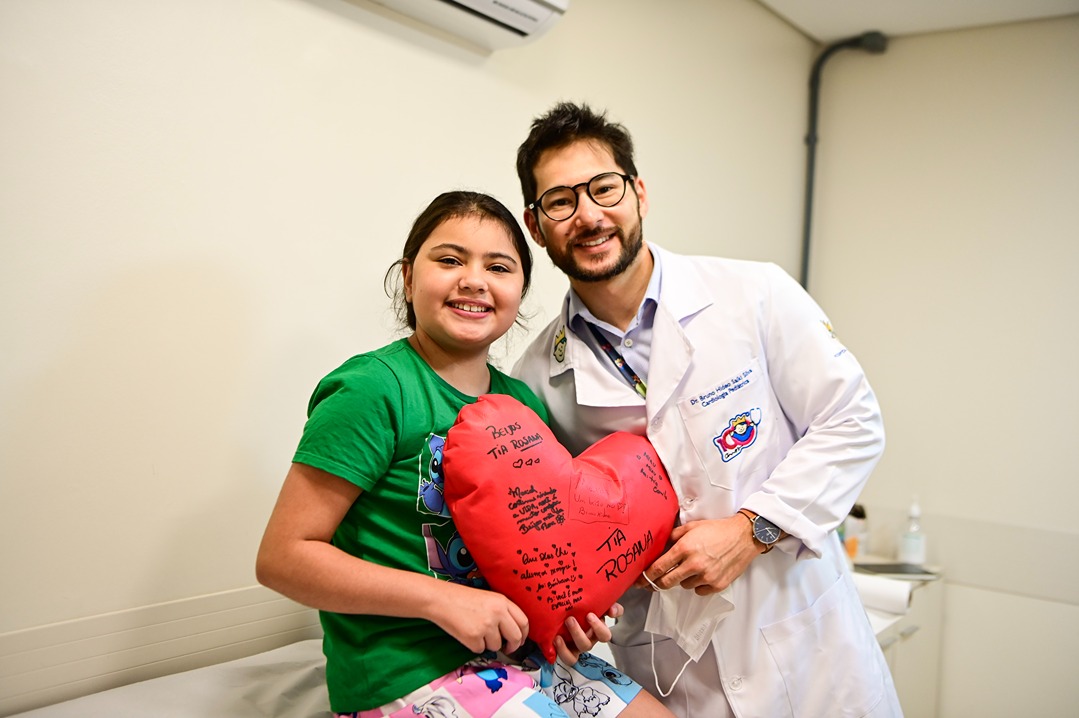
One in every five pediatric heart transplants performed in Brazil in 2025 was carried out at Pequeno Príncipe
Hospital reaches a historic milestone, strengthens its position as a national reference in pediatric transplantation, and brings renewed hope to children who depend on highly complex procedures to keep living