When SUS (Brazilian Public Health System) coverage falls short, solidarity steps in
In 2025, Pequeno Príncipe Hospital allocated more than US$ 1.84 million to supplement the purchase of medications used in the treatment of patients covered by SUS. Many of these medications are either not covered or receive insufficient funding through the public healthcare system
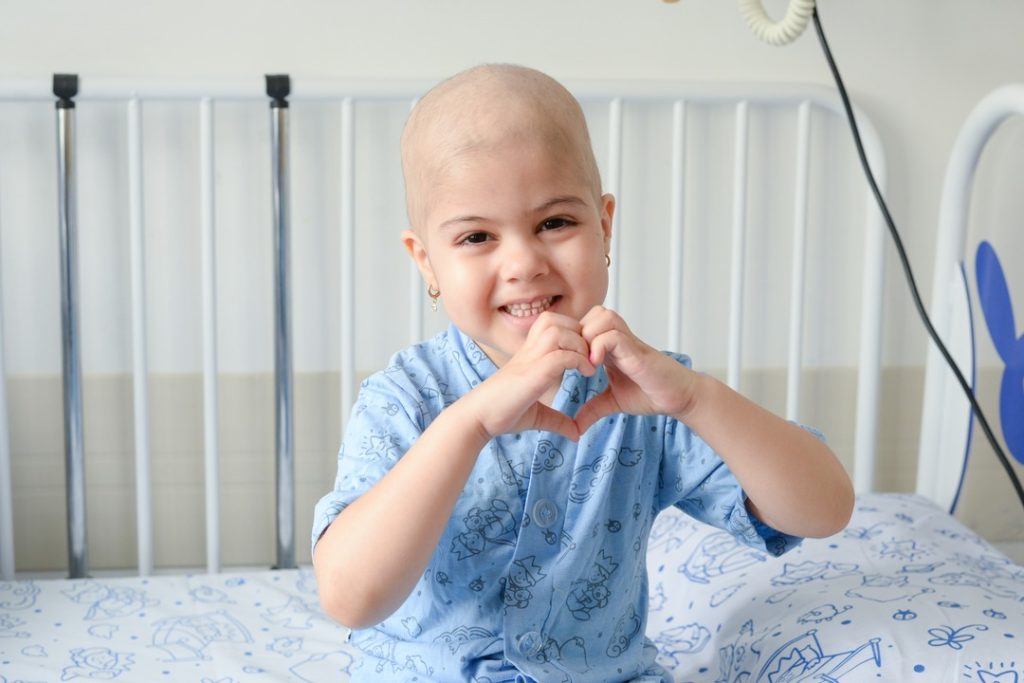
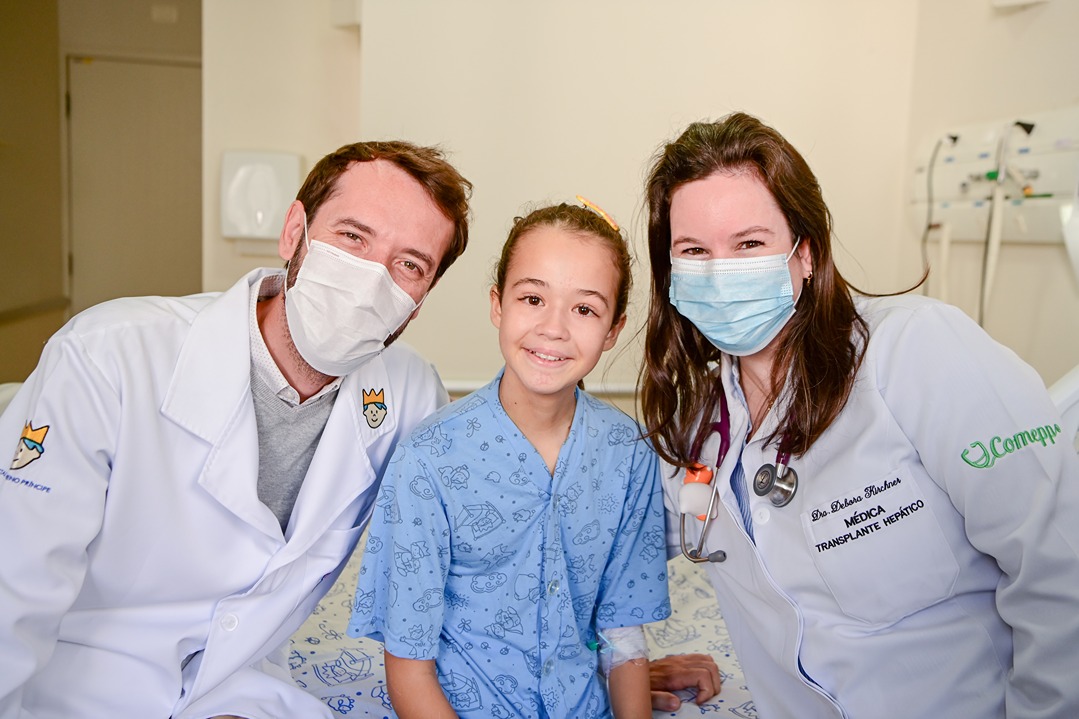
When little Daniela, from Curiúva, state of Paraná, arrived at Pequeno Príncipe Hospital after more than ten days of fever, her family received difficult news: she had acute lymphoblastic leukemia. Treatment began immediately, entirely through the Brazilian Public Health System (known as SUS).
“All of her treatment has been provided through SUS, and we have never had to pay anything. My daughter receives so much affection from everyone here, and so do we. The staff always ask whether we need anything and do everything they can to make this very difficult time a little easier,” says her mother, Daniele Soutchuk de Barros.
What Daniela’s family may not realize is that, to make treatments like hers possible, the Hospital must absorb costs that are not fully covered by the SUS. In 2025 alone, Pequeno Príncipe Hospital allocated more than US$ 1.84 million to supplement the acquisition of medications used in the care of SUS patients. Throughout the year, 24,496 hospital admissions and treatments required these therapies, primarily for children with cancer, hematologic disorders, rare diseases, severe infections, transplant recipients, and patients admitted to intensive care units.
Although these medications are indispensable for saving lives, many are either not covered under the SIGTAP reimbursement schedule — the table used by the Brazilian Ministry of Health to fund hospital procedures — or receive insufficient reimbursement. As a result, the Hospital must bridge this funding gap to ensure that every child receives the treatment prescribed by the medical team.
Treatment cannot wait
In highly complex pediatric care, clinical decisions always come before financial considerations.
When a physician prescribes a medication capable of controlling a severe infection, fighting cancer, or preparing a child for transplantation, that medication must be available immediately. It is simply not possible to interrupt cancer treatment or wait for funding approval while a patient’s condition continues to worsen.
That is precisely where the support of society makes all the difference.
Medications that make a difference
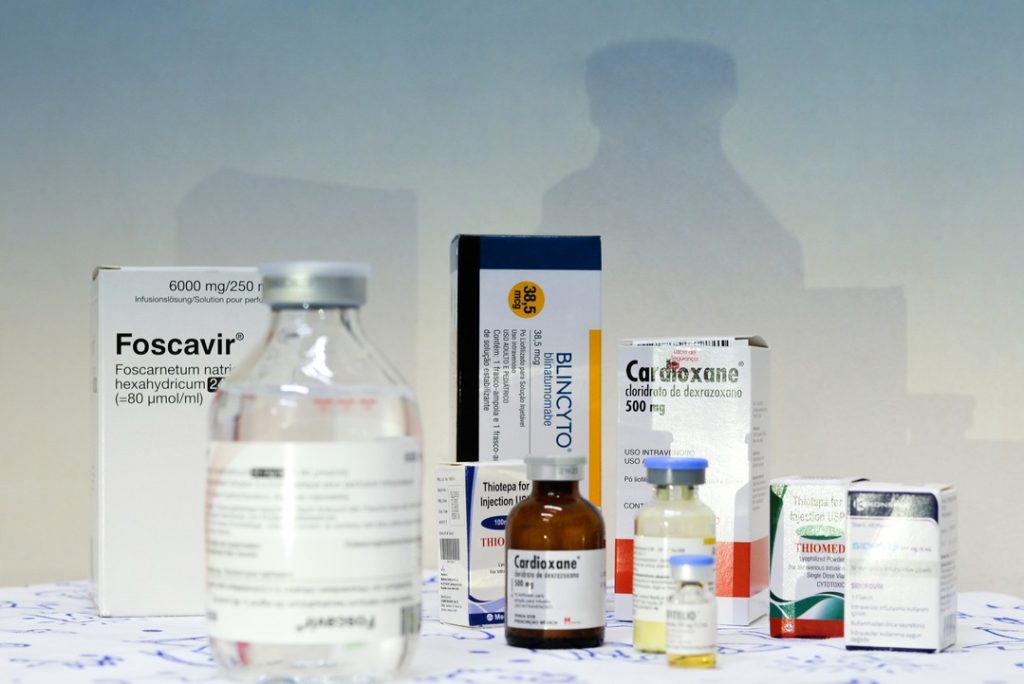
The figures illustrate the magnitude of this challenge.
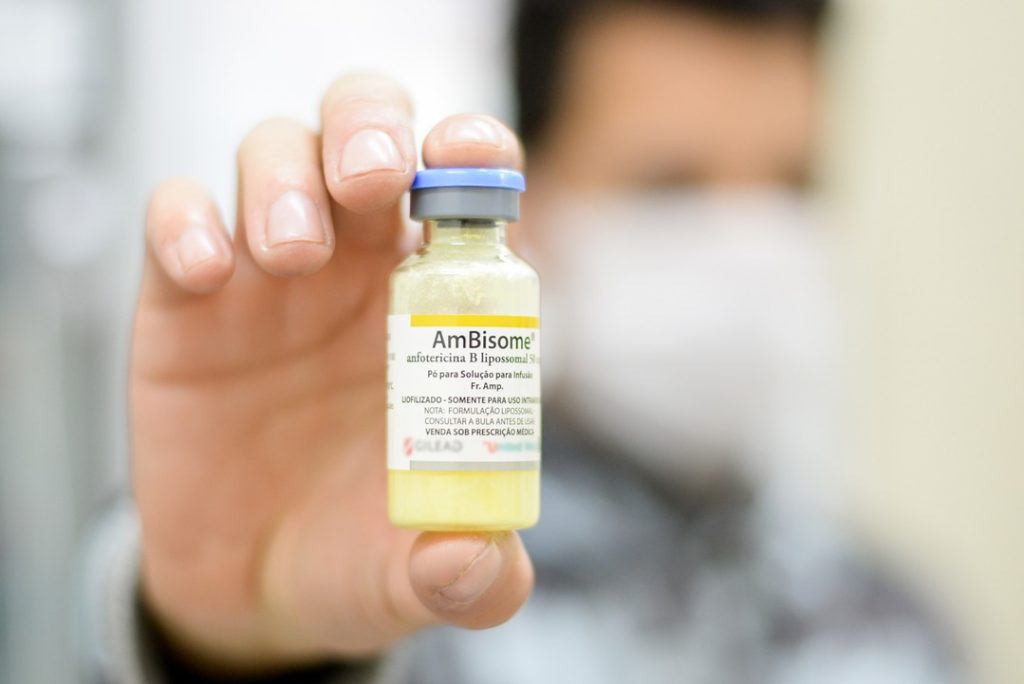
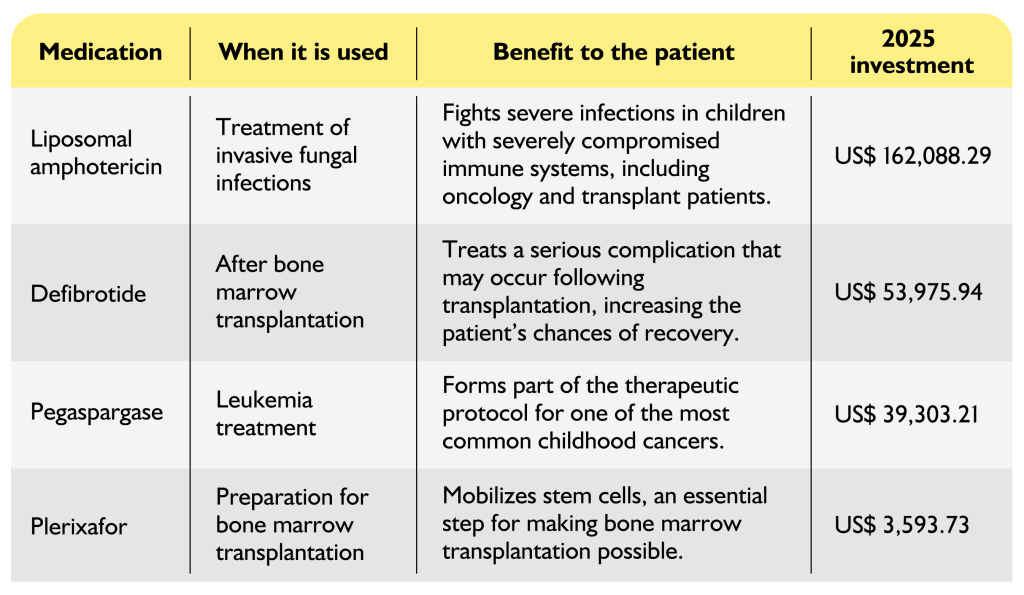
Liposomal amphotericin, used to treat invasive fungal infections in patients who are immunocompromised, represented the Hospital’s greatest pharmaceutical expenditure in 2025, with an investment exceeding US$ 162,000.
Another example is pegaspargase, an essential medication in the treatment of childhood leukemia, which accounted for nearly US$ 40,000 over the course of the year. Plerixafor, used to prepare patients for bone marrow transplantation, costs nearly US$ 3,600 per dose.
The list also includes medications used to treat multidrug-resistant bacterial infections, provide immunosuppression following transplantation, support cardiovascular function, and treat rare diseases — therapies that must always be available whenever prescribed by the medical team.
Much more than medication
Every vial administered represents far more than a pharmaceutical product stocked in the Hospital pharmacy. It may control an infection while a child awaits a transplant, keep leukemia under control, or provide a new treatment opportunity for patients with rare diseases and other highly complex conditions.
For families, these medications simply arrive at the bedside when they are needed. Behind that care, however, lies an ongoing effort to supplement resources that public funding is unable to provide.
Thanks to the support of individuals, companies, foundations, and social investors, Pequeno Príncipe Hospital can ensure that thousands of children and adolescents treated through the Brazilian Public Health System have access to essential medications, even when they are not covered — or are only partially funded — by Brazil’s public healthcare system.
Before reaching a patient’s bedside, every medication begins with an act of solidarity. It is this support that enables the Hospital to provide every child with the treatment they need, exactly when they need it.
Medications that change lives
In 2025, these and other medications represented an investment of US$ 1.84 million in the care of patients covered by the Brazilian Public Health System.
See more
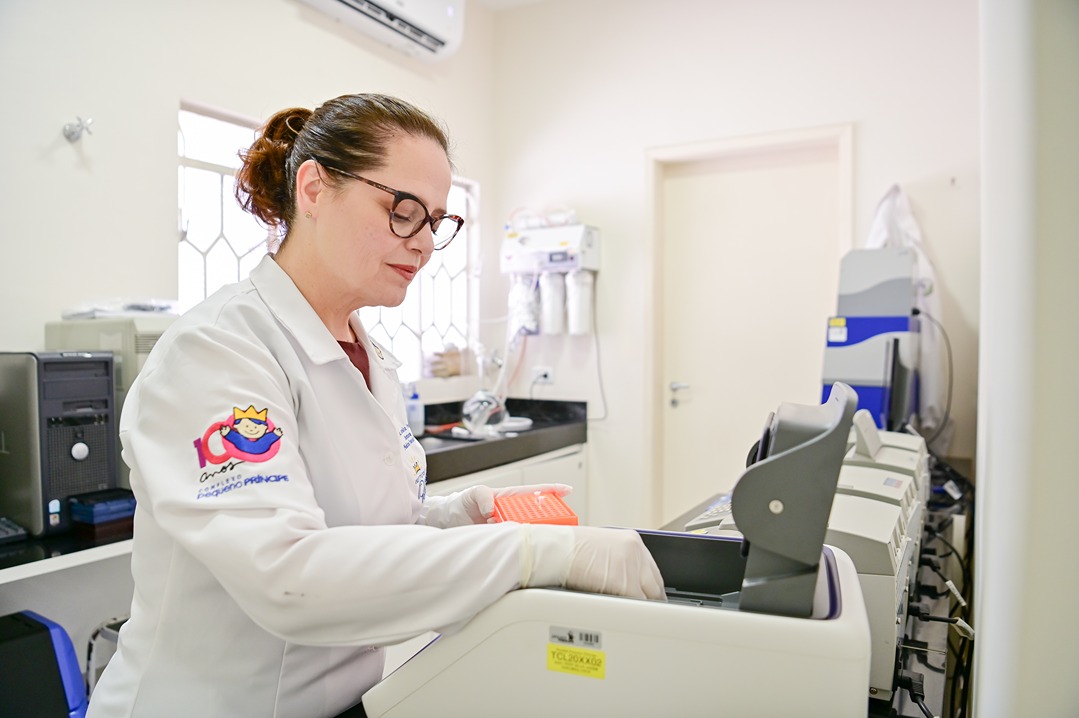
Research identifies novel genetic variants and expands the diagnosis of rare diseases
A study conducted by the Pelé Pequeno Príncipe Research Institute, supported by the Pequeno Príncipe Gala, demonstrates how whole-exome sequencing can help identify rare genetic diseases in childhood
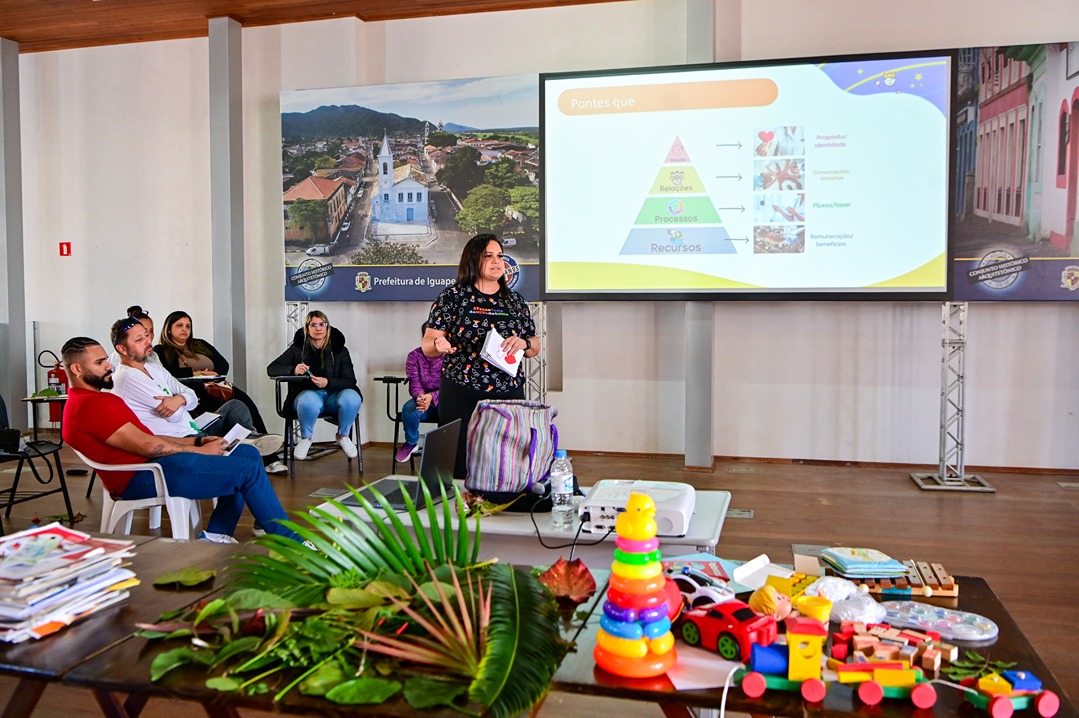
Pequeno Príncipe’s experience strengthens early childhood care in a municipality in São Paulo state
A project developed with the support of the Tecendo Infâncias Institute brought training to healthcare professionals in Iguape, expanding practices focused on child development and the humanized care of children and their families
One Health: why human, animal, and environmental health are connected
At the Pequeno Príncipe Complex, this vision guides initiatives aimed at promoting health with a commitment to future generations
Donations funded 86% of the Hospital’s equipment investments in 2025
Support from donors made it possible to acquire from neonatal incubators and hemodialysis equipment to video systems for surgeries and high-precision diagnostic tests
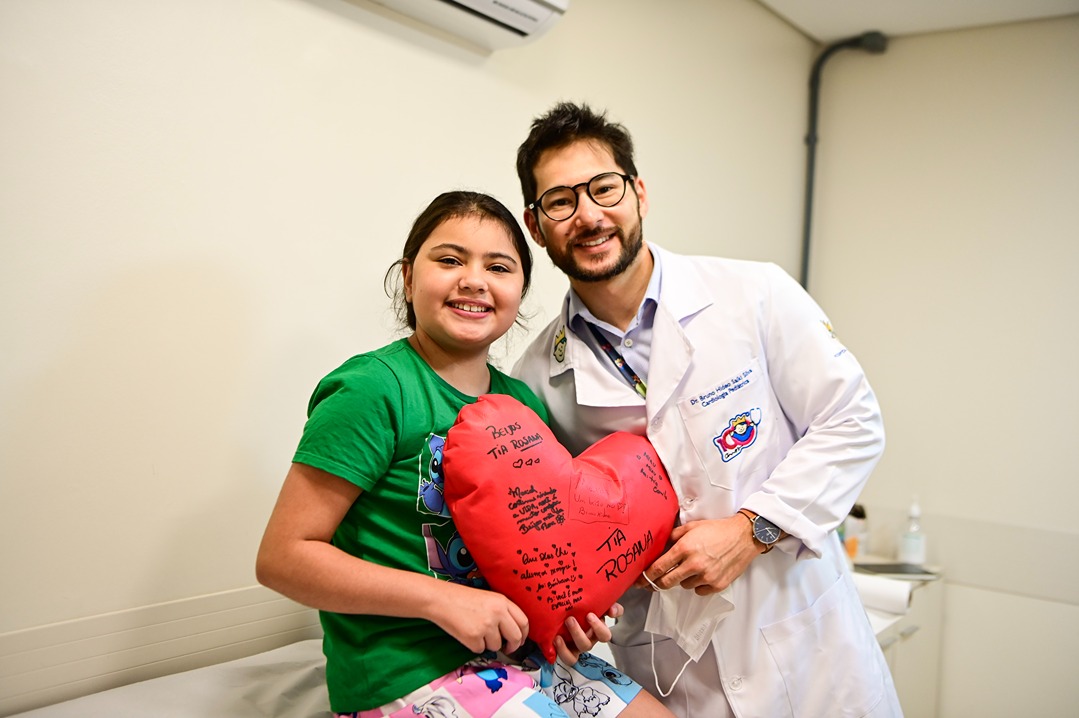
One in every five pediatric heart transplants performed in Brazil in 2025 was carried out at Pequeno Príncipe
Hospital reaches a historic milestone, strengthens its position as a national reference in pediatric transplantation, and brings renewed hope to children who depend on highly complex procedures to keep living