
Research identifies novel genetic variants and expands the diagnosis of rare diseases
A study conducted by the Pelé Pequeno Príncipe Research Institute, supported by the Pequeno Príncipe Gala, demonstrates how whole-exome sequencing can help identify rare genetic diseases in childhood
Receiving the diagnosis of a rare disease remains a long journey for many families. Because of the wide variety of symptoms and their similarity to those of other disorders, children may spend months — or even years — undergoing successive examinations and consultations with different specialists in search of answers.
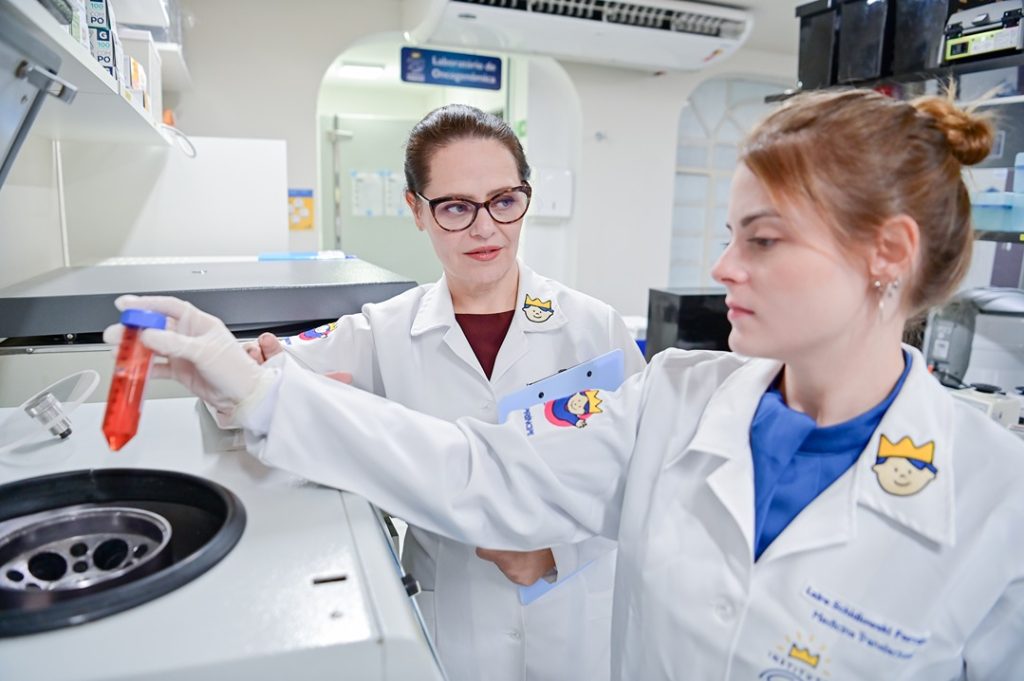
Research led by physician and researcher Carolina Prando, from the Pelé Pequeno Príncipe Research Institute (known as IPP), demonstrates how genomic medicine can help change this reality. Published in the scientific journal Frontiers in Immunology, the study evaluated 100 Brazilian children up to 4 years of age with suspected inborn errors of immunity, a group of rare genetic disorders that impair the normal functioning of the immune system.
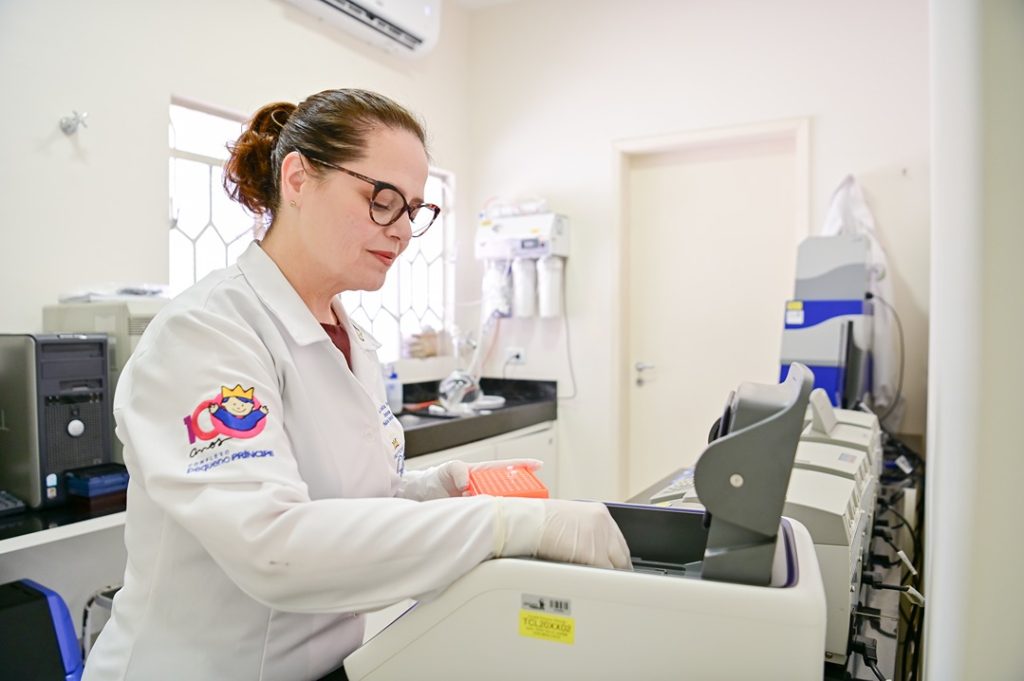
The results showed that whole-exome sequencing enabled a conclusive molecular diagnosis in 17% of the cases. In addition, the researchers identified previously unreported genetic variants that had never before been described in the scientific literature. These discoveries now become part of the scientific knowledge surrounding inborn errors of immunity, expanding the information available for interpreting genetic tests and helping ensure that other children with similar genetic alterations can receive more accurate diagnoses in the future.
Much more than naming a disease
Obtaining a diagnosis represents a decisive step in the care of these children. Identifying the genetic alteration responsible for the disease allows healthcare professionals to better understand its progression, determine the most appropriate treatment, avoid unnecessary tests and procedures, and provide genetic counseling to families.
The study also showed that, in some patients, whole-exome sequencing identified a genetic condition different from the one initially suspected by physicians. This information made it possible to redirect the clinical investigation and establish more appropriate therapeutic strategies for each individual case.
Knowledge that benefits other children
More than 500 inborn errors of immunity have already been described. Because these genetic disorders present with highly diverse clinical manifestations, establishing a diagnosis remains a major challenge.
By identifying previously unreported genetic variants, the study expands scientific knowledge about these disorders and further strengthens genomic medicine as an important tool for achieving faster and more accurate diagnoses. Each new discovery also contributes to ensuring that, in the future, other children will have access to quicker answers and increasingly personalized care.
To read the full article, please click here.
The study in numbers
• 100 children evaluated
• 48 Brazilian municipalities represented
• Children up to 4 years of age
• 17% received a conclusive molecular diagnosis
• Previously unreported genetic variants identified by the researchers
• Published internationally in Frontiers in Immunology
See more
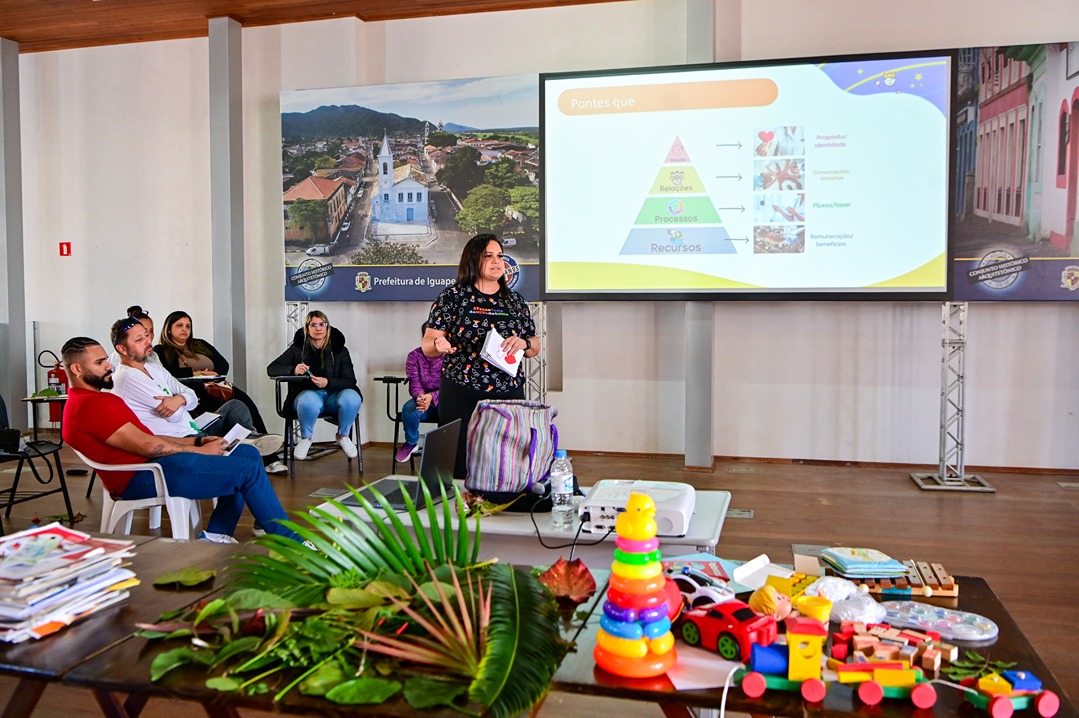
Pequeno Príncipe’s experience strengthens early childhood care in a municipality in São Paulo state
A project developed with the support of the Tecendo Infâncias Institute brought training to healthcare professionals in Iguape, expanding practices focused on child development and the humanized care of children and their families

When SUS (Brazilian Public Health System) coverage falls short, solidarity steps in
In 2025, Pequeno Príncipe Hospital allocated more than US$ 1.84 million to supplement the purchase of medications used in the treatment of patients covered by SUS. Many of these medications are either not covered or receive insufficient funding through the public healthcare system
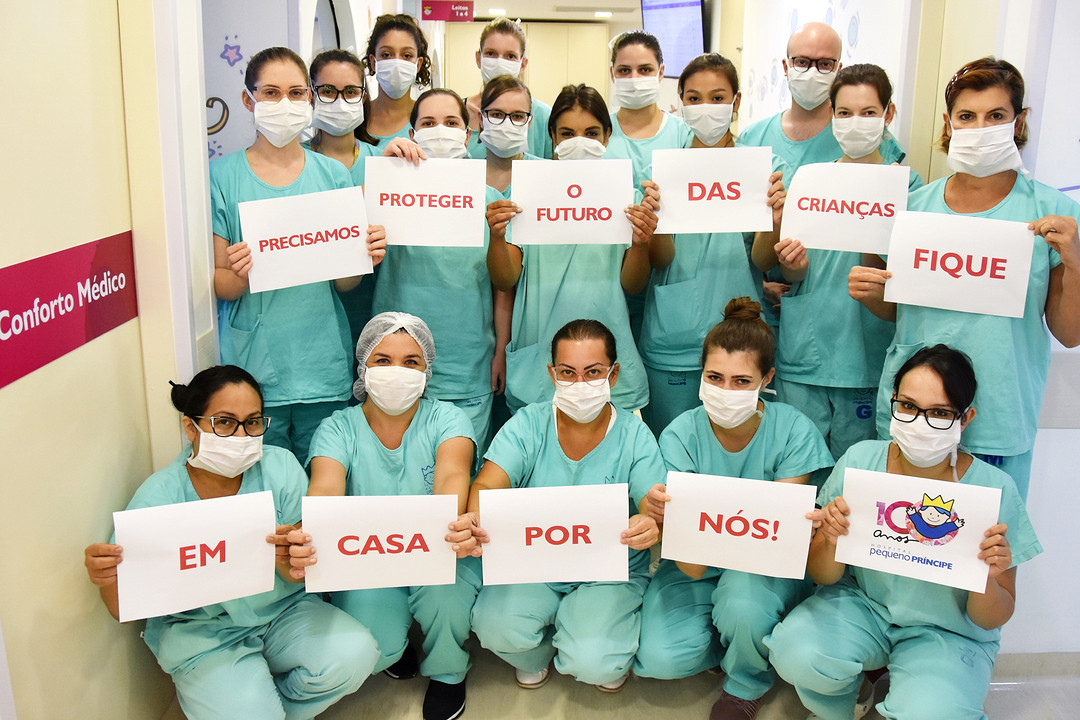
One Health: why human, animal, and environmental health are connected
At the Pequeno Príncipe Complex, this vision guides initiatives aimed at promoting health with a commitment to future generations
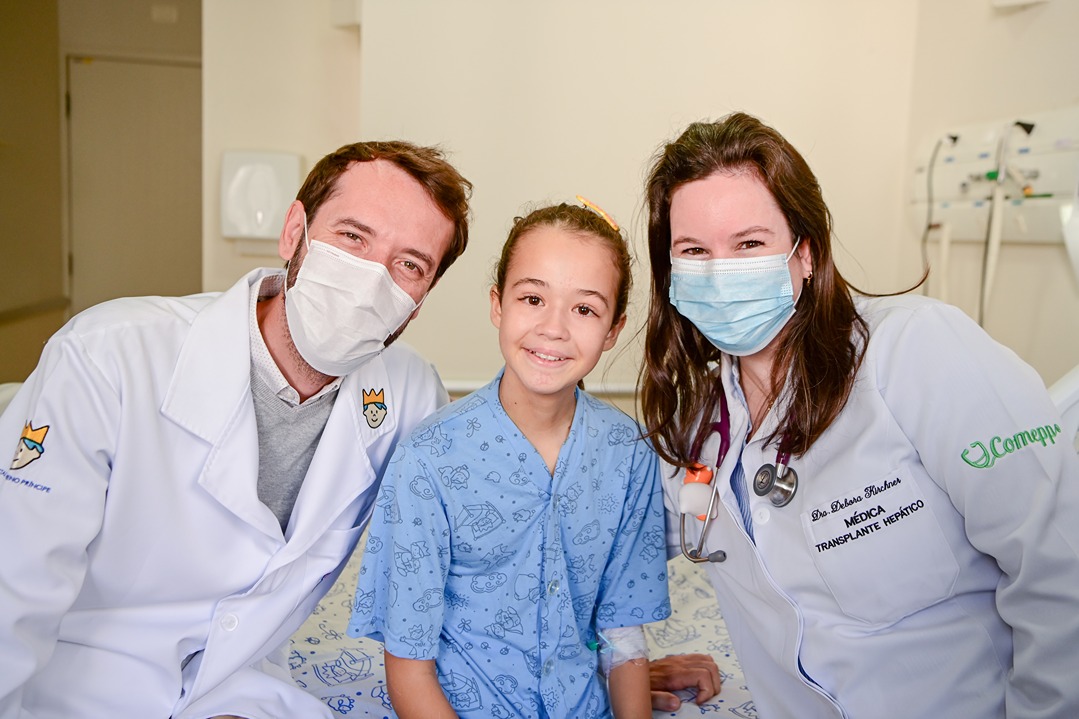
Donations funded 86% of the Hospital’s equipment investments in 2025
Support from donors made it possible to acquire from neonatal incubators and hemodialysis equipment to video systems for surgeries and high-precision diagnostic tests
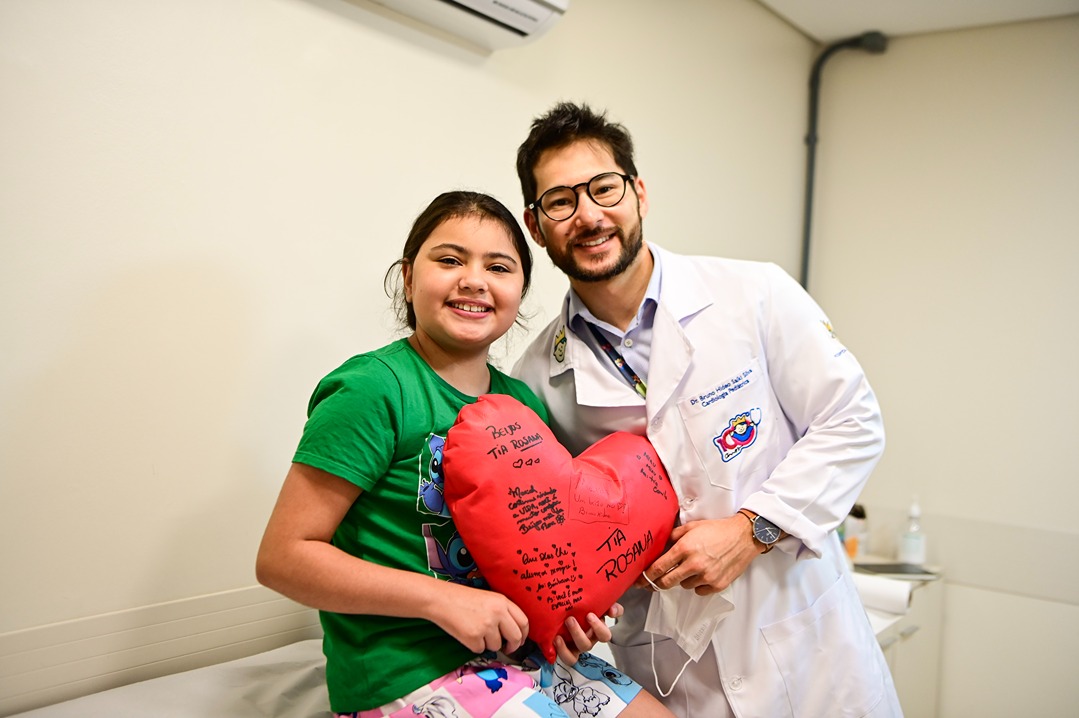
One in every five pediatric heart transplants performed in Brazil in 2025 was carried out at Pequeno Príncipe
Hospital reaches a historic milestone, strengthens its position as a national reference in pediatric transplantation, and brings renewed hope to children who depend on highly complex procedures to keep living