
Pequeno Príncipe’s experience strengthens early childhood care in a municipality in São Paulo state
A project developed with the support of the Tecendo Infâncias Institute brought training to healthcare professionals in Iguape, expanding practices focused on child development and the humanized care of children and their families
The first years of life have a decisive influence on a child’s physical, emotional, and cognitive development. With the goal of strengthening care from the very beginning of life, Pequeno Príncipe Hospital shared with healthcare professionals from the public health network in Iguape, on the coast of São Paulo state, the expertise built over more than a decade through its Primeiríssima Infância: Gerando Prosperidade Social (Early Childhood: Generating Social Prosperity) project.
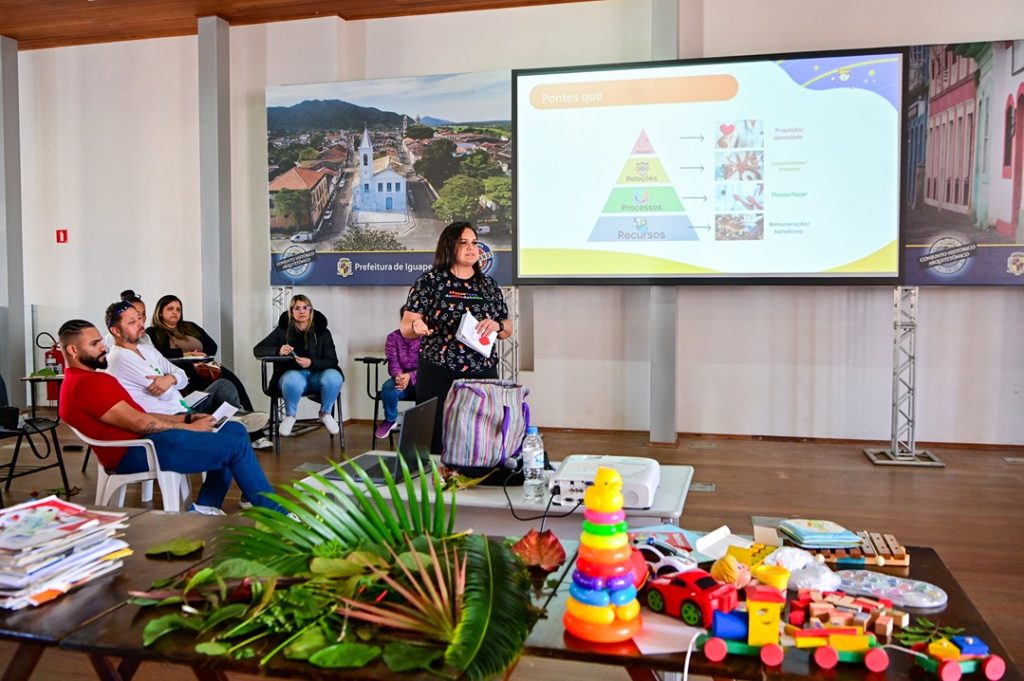
The training, held from July 6 to 8 with support from the Tecendo Infâncias Institute, brought together 100 healthcare professionals, including community health workers, nursing technicians, and nurses, with the goal of broadening their understanding of the period from pregnancy through the first three years of life and strengthening practices focused on welcoming care, healthy bonding, and the comprehensive development of children served by the municipal healthcare network.
According to Maria Gloss, manager of the Humanization Sector at Pequeno Príncipe Hospital, the initiative is intended to disseminate knowledge capable of transforming care during the earliest years of life. “Community health workers, nursing technicians, and nurses interact directly with families of young children. When these professionals are informed and sensitized, they can make a meaningful difference in the lives of a significant number of children,” she emphasizes.
Knowledge that reaches communities
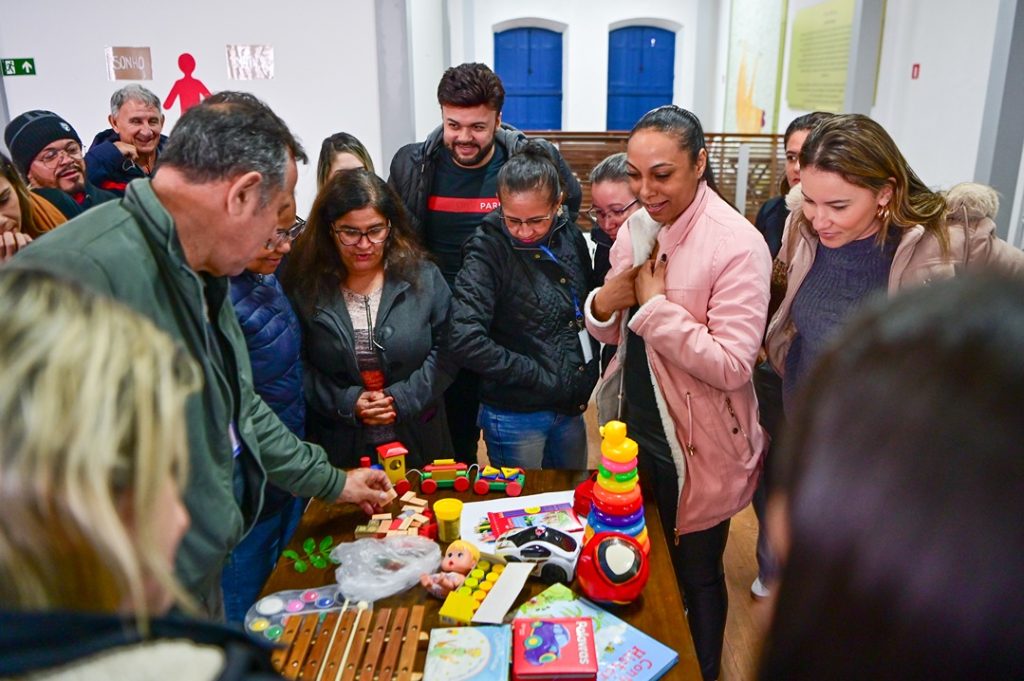
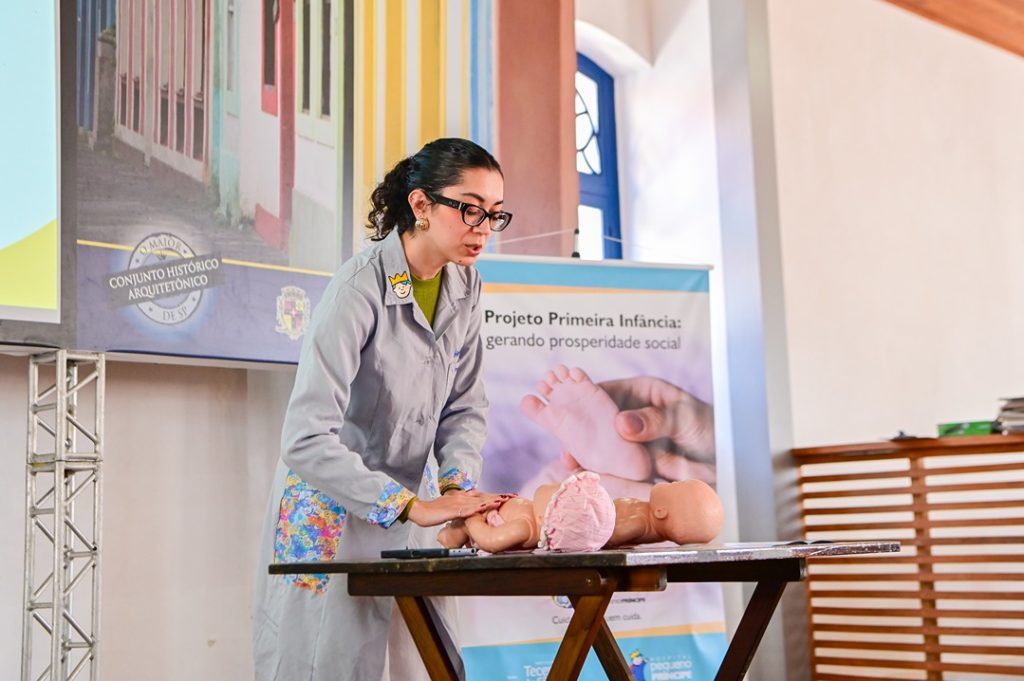
The training program addressed topics related to the importance of early childhood, child development, and the relationships established between adults and children. Participants also took part in practical activities, including Shantala infant massage workshops and handicraft sessions, reinforcing the importance of affection, stimulation, and emotional bonds throughout child development.
In addition to improving the quality of healthcare provided in the municipality, the initiative seeks to prepare participants to become multipliers of this knowledge, strengthening the support network available to children and their families from the very beginning of life.
An initiative developed within the Hospital
Created in 2014 and coordinated by the Humanization Sector of Pequeno Príncipe Hospital, the Primeiríssima Infância (Early Childhood) program develops activities during hospitalization to strengthen the bond between children and their caregivers by sharing knowledge about child development through discussion groups, shared reading activities, music sessions, Shantala infant massage, toys, and play-based activities.
In 2025 alone, the program directly benefited 2,032 people, including patients, family members, and trained professionals. The initiative also led to the publication of an educational booklet containing guidance for families and caregivers on topics such as bonding, nutrition, play, and language development.
See more
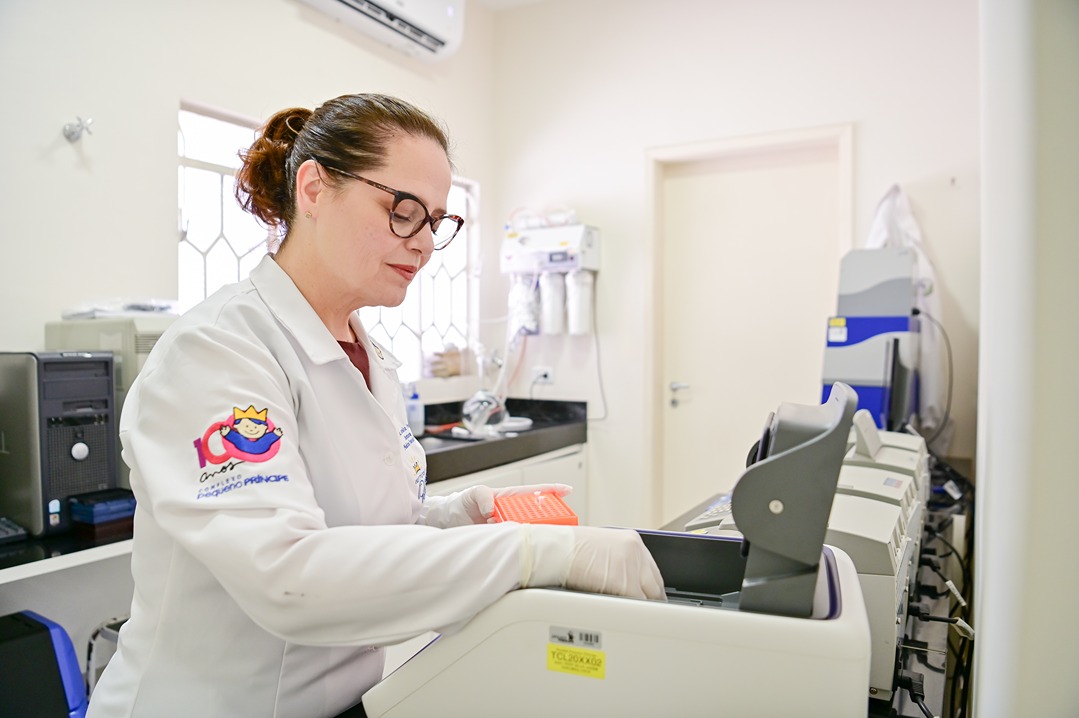
Research identifies novel genetic variants and expands the diagnosis of rare diseases
A study conducted by the Pelé Pequeno Príncipe Research Institute, supported by the Pequeno Príncipe Gala, demonstrates how whole-exome sequencing can help identify rare genetic diseases in childhood
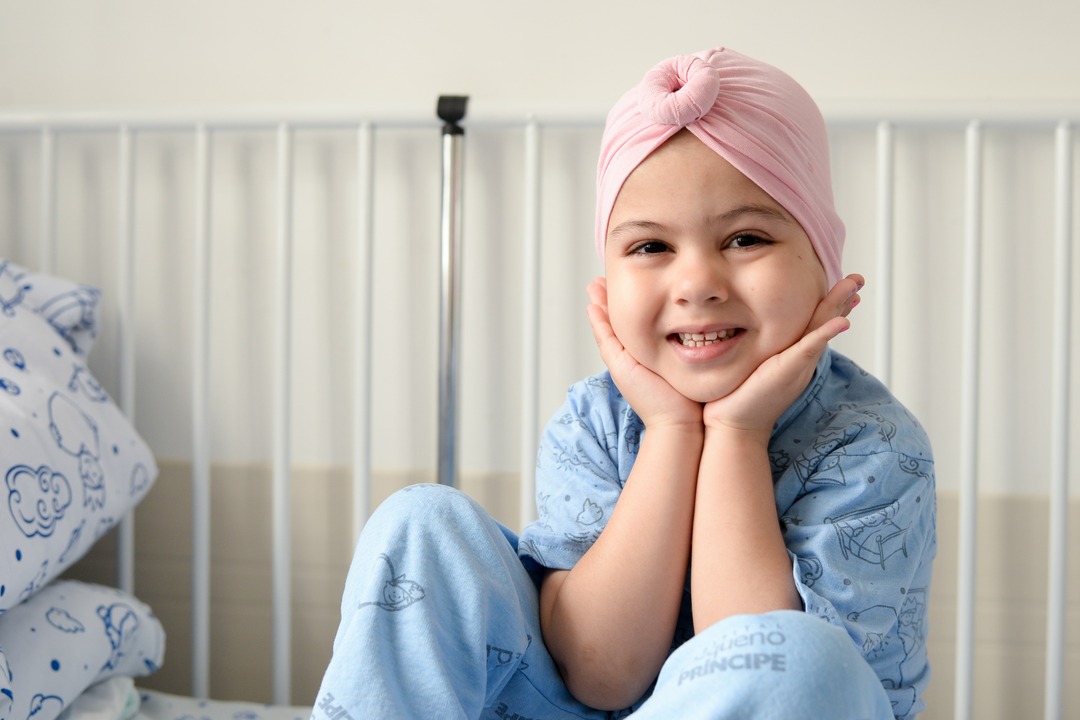
When SUS (Brazilian Public Health System) coverage falls short, solidarity steps in
In 2025, Pequeno Príncipe Hospital allocated more than US$ 1.84 million to supplement the purchase of medications used in the treatment of patients covered by SUS. Many of these medications are either not covered or receive insufficient funding through the public healthcare system
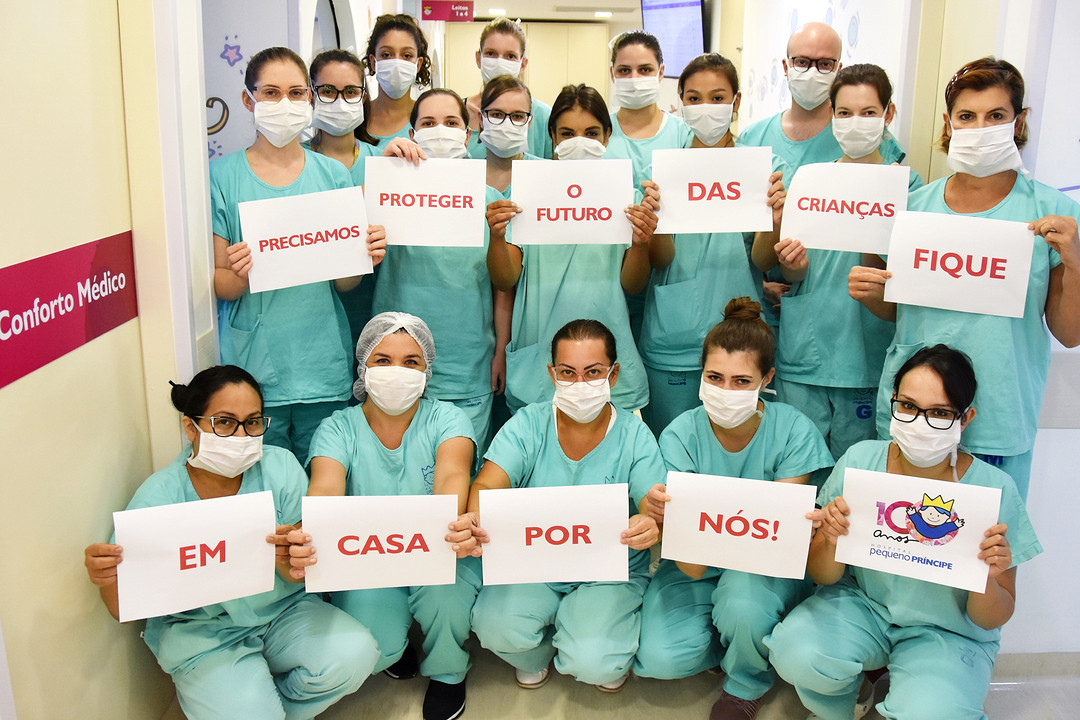
One Health: why human, animal, and environmental health are connected
At the Pequeno Príncipe Complex, this vision guides initiatives aimed at promoting health with a commitment to future generations
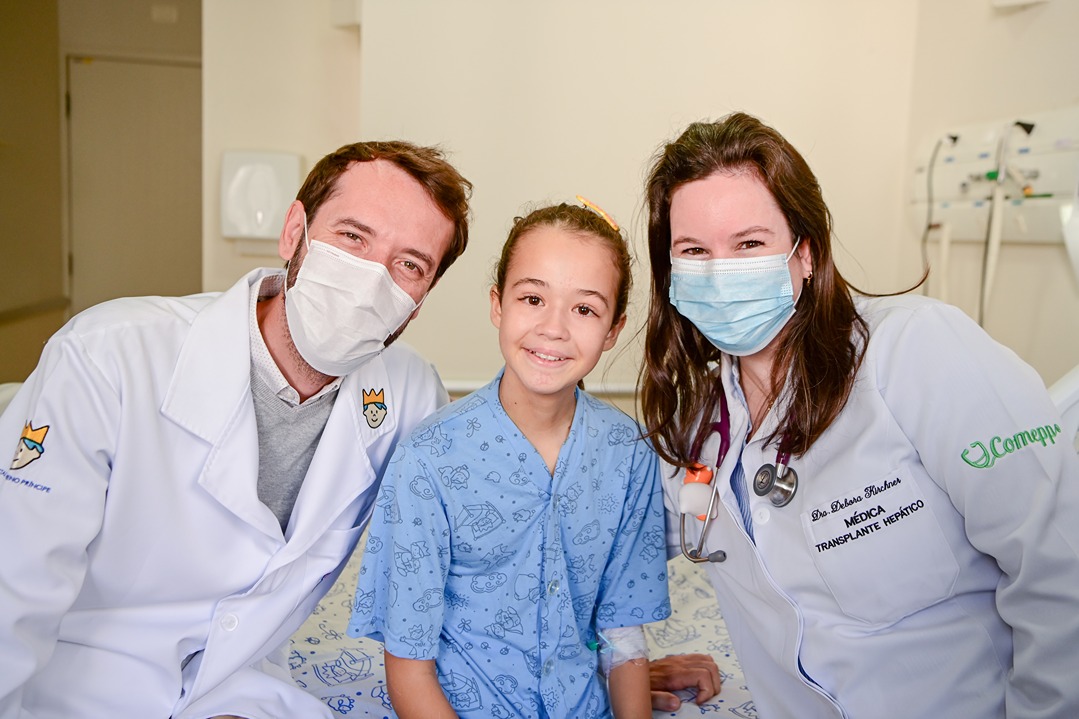
Donations funded 86% of the Hospital’s equipment investments in 2025
Support from donors made it possible to acquire from neonatal incubators and hemodialysis equipment to video systems for surgeries and high-precision diagnostic tests
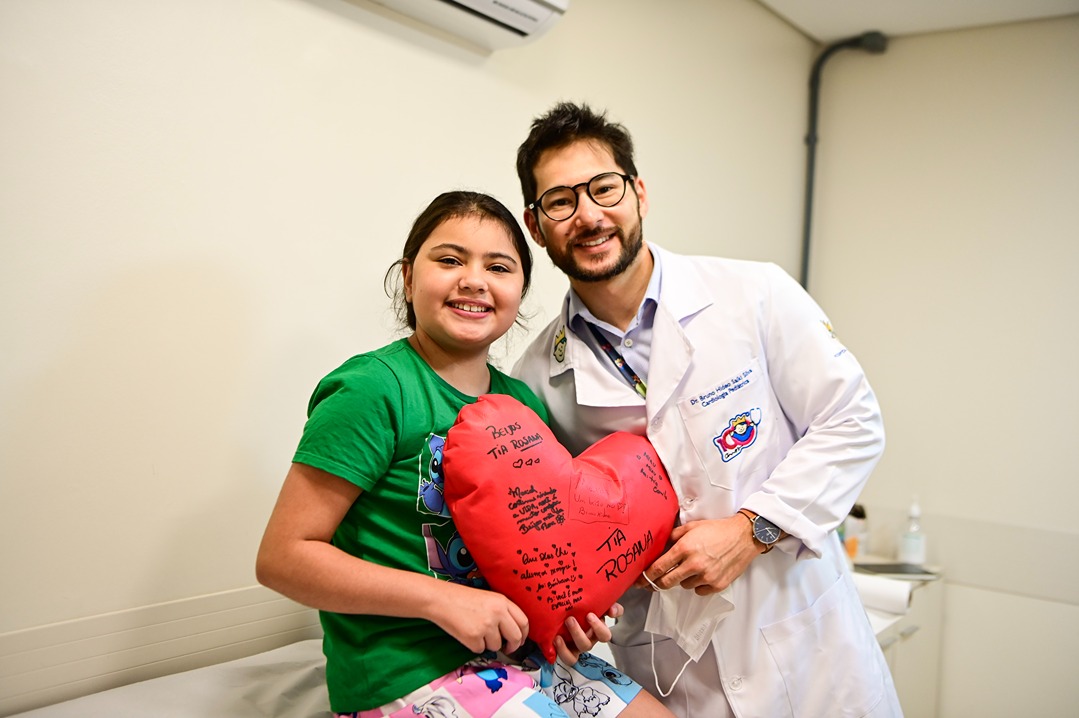
One in every five pediatric heart transplants performed in Brazil in 2025 was carried out at Pequeno Príncipe
Hospital reaches a historic milestone, strengthens its position as a national reference in pediatric transplantation, and brings renewed hope to children who depend on highly complex procedures to keep living