
One Health: why human, animal, and environmental health are connected
At the Pequeno Príncipe Complex, this vision guides initiatives aimed at promoting health with a commitment to future generations
Caring for people’s health also means caring for animals and the environment. This is the premise of One Health, a concept that recognizes that human, animal, and environmental health are interdependent and must be understood in an integrated way. At the Pequeno Príncipe Complex, this vision guides initiatives in healthcare, education, and research, fostering a systemic approach to care and contributing to a healthier and more sustainable future.
“In this regard, for more than a century, the Pequeno Príncipe Complex has devoted its efforts to caring for children and adolescents. After all, thinking about the future of these generations also means understanding the impact of environmental changes on health and investing in knowledge, research, and innovation to address them,” emphasizes José Álvaro da Silva Carneiro, corporate director of the Pequeno Príncipe Complex.
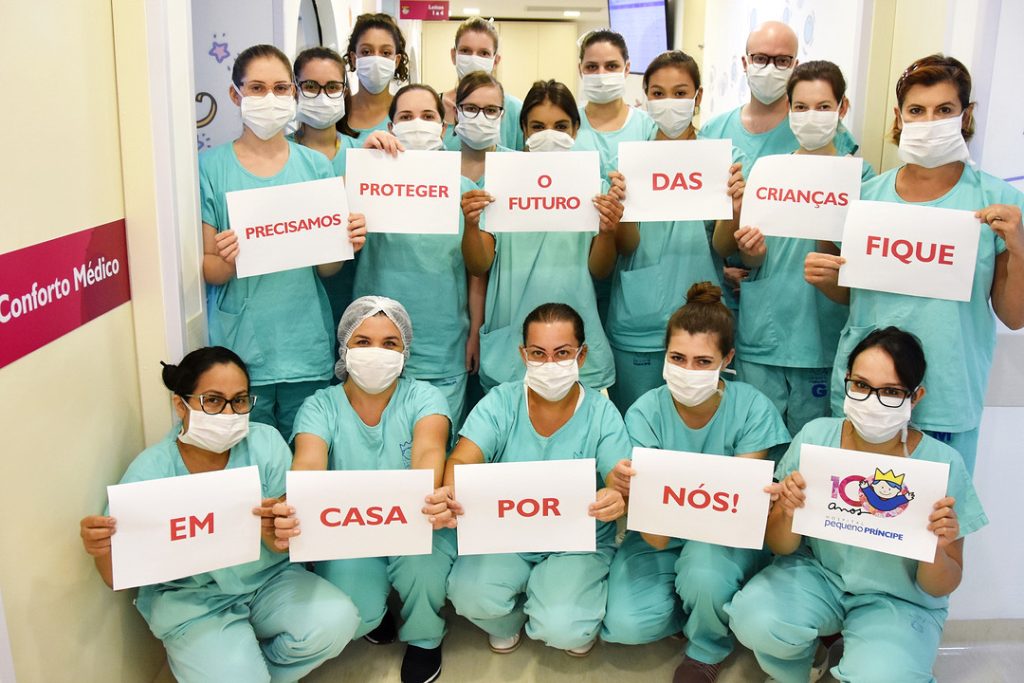
What is One Health?
One Health proposes a collaborative approach to addressing challenges that affect people, animals, and ecosystems simultaneously. The concept is based on the understanding that balance among these three pillars is essential for disease prevention, the promotion of quality of life, and the creation of a more sustainable future.
Although it has gained global prominence in recent decades, this perspective is not new. As early as the 19th century, German physician and pathologist Rudolf Virchow argued that human and animal health were deeply interconnected.
“However, it was only in the early 2000s that this perspective gained institutional momentum and became established as a global public health strategy. The turning point came with health crises that made our vulnerability clear: the SARS outbreak in 2003, the spread of H5N1 avian influenza, and recurring Ebola outbreaks in Africa showed that emerging diseases do not respect borders — whether geographic or biological,” explains researcher Ana Tereza Bittencourt Guimarães of the Pelé Pequeno Príncipe Research Institute, who has extensively studied the One Health concept.
The researcher also highlights the importance of integrated action among different fields of knowledge. Healthcare professionals, researchers, educators, and environmental specialists all play complementary roles in developing solutions to the health challenges of the 21st century.

How are these areas connected?
According to Brazil’s Ministry of Health, the connection between human, animal, and environmental health can be observed in various aspects of everyday life and in major global challenges.
Many infectious diseases can be transmitted from animals to humans, increasing the risk of outbreaks, epidemics, and pandemics. According to the World Health Organization (WHO), an estimated 60% of human infectious diseases originate in animals, underscoring the importance of monitoring and protecting health in all its dimensions.
Another growing challenge is antimicrobial resistance. The improper use of antibiotics promotes the emergence of bacteria that are resistant to treatment, making infections increasingly difficult to control and reinforcing the need for coordinated action across sectors.
Food security also depends on this integration. Producing safe food requires attention to water quality, sustainable practices, and animal welfare.
Climate change and environmental degradation directly affect the health of populations and ecosystems. Changes in temperature, rainfall patterns, and natural habitats can contribute to the spread of disease vectors, such as mosquitoes, increasing the risk of disease transmission across different regions.
At the same time, the destruction of natural ecosystems increases contact between humans, domestic animals, and wildlife, creating conditions for the emergence and spread of new pathogens. Cases such as COVID-19, Ebola, the Nipah virus, and avian influenza demonstrate how environmental imbalances and interactions among species can influence global health.
Small actions, big impact
Promoting One Health also involves simple actions that can be adopted in everyday life. See some examples below.
💚 Vaccinate people and animals.
💚 Avoid the inappropriate use of antibiotics.
💚 Dispose of medications properly.
💚 Consume food and water safely.
💚 Preserve nature and biodiversity.
💚 Support sustainable production and consumption practices.
💚 Keep spaces clean and eliminate mosquito breeding sites and sources of zoonotic diseases.
See more
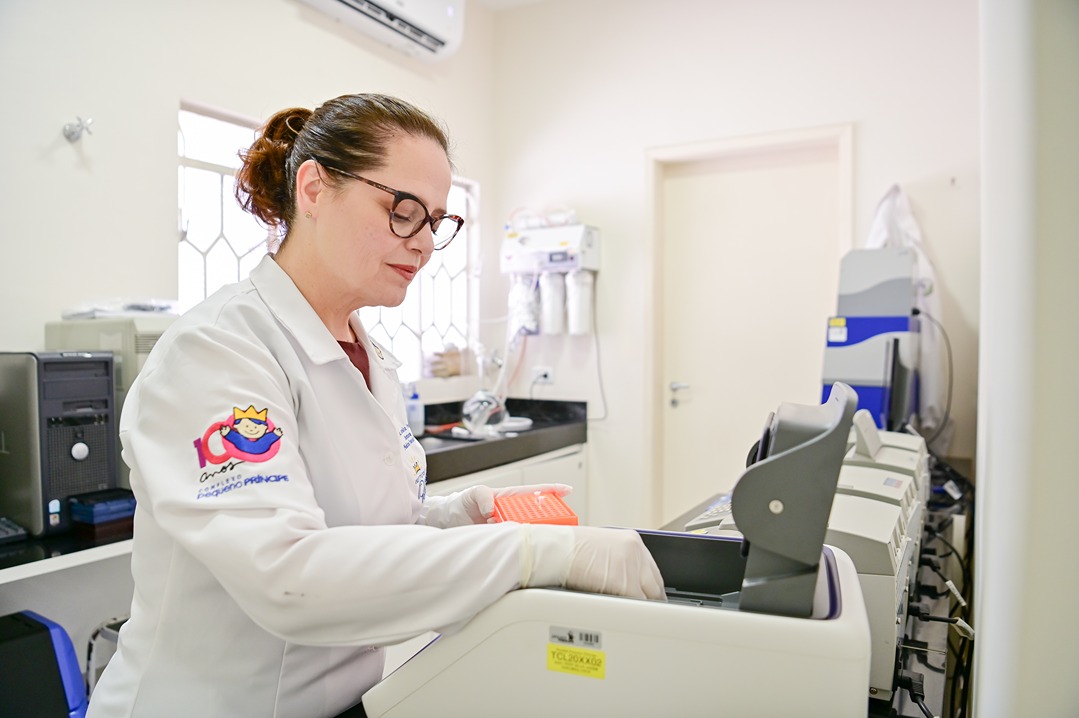
Research identifies novel genetic variants and expands the diagnosis of rare diseases
A study conducted by the Pelé Pequeno Príncipe Research Institute, supported by the Pequeno Príncipe Gala, demonstrates how whole-exome sequencing can help identify rare genetic diseases in childhood
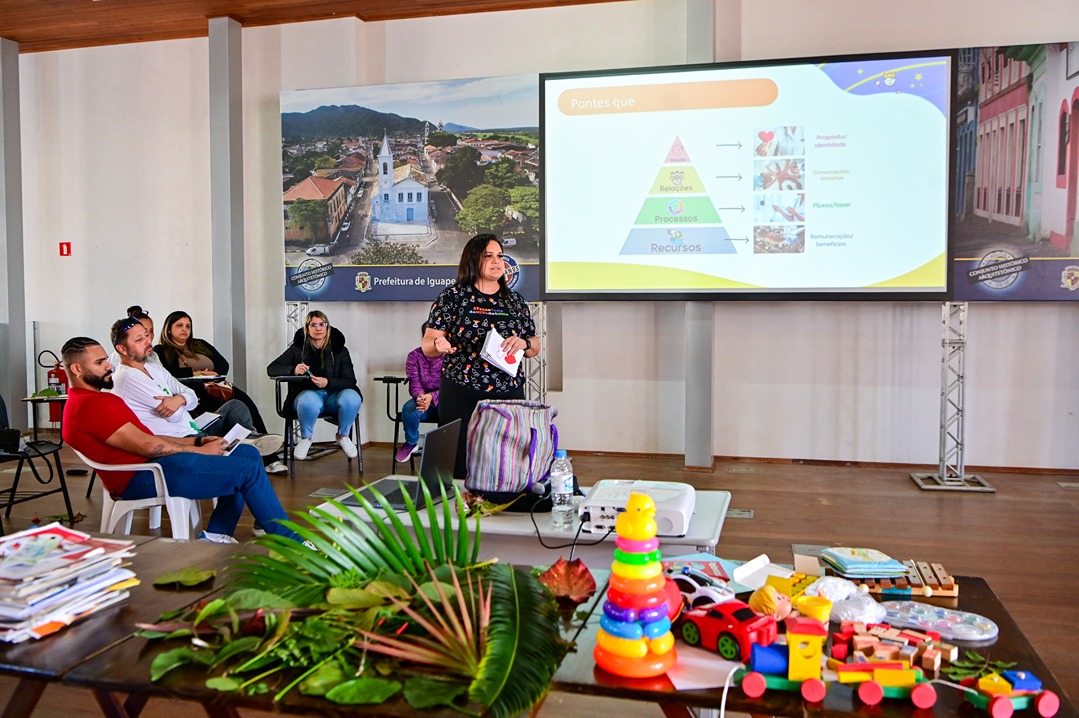
Pequeno Príncipe’s experience strengthens early childhood care in a municipality in São Paulo state
A project developed with the support of the Tecendo Infâncias Institute brought training to healthcare professionals in Iguape, expanding practices focused on child development and the humanized care of children and their families
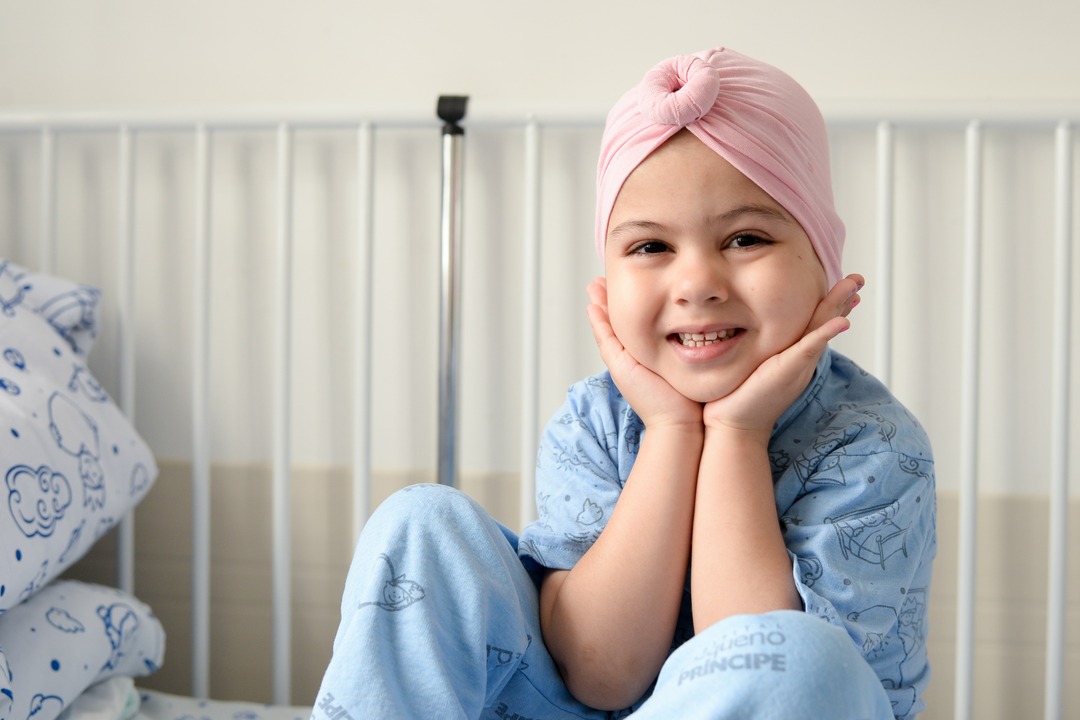
When SUS (Brazilian Public Health System) coverage falls short, solidarity steps in
In 2025, Pequeno Príncipe Hospital allocated more than US$ 1.84 million to supplement the purchase of medications used in the treatment of patients covered by SUS. Many of these medications are either not covered or receive insufficient funding through the public healthcare system
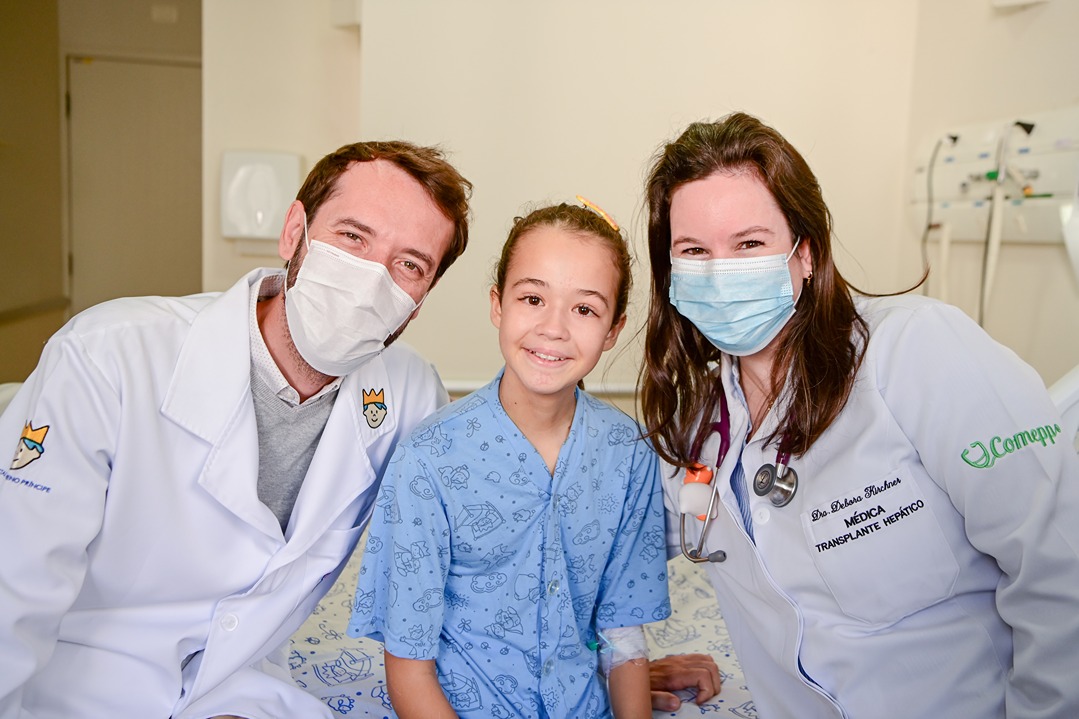
Donations funded 86% of the Hospital’s equipment investments in 2025
Support from donors made it possible to acquire from neonatal incubators and hemodialysis equipment to video systems for surgeries and high-precision diagnostic tests
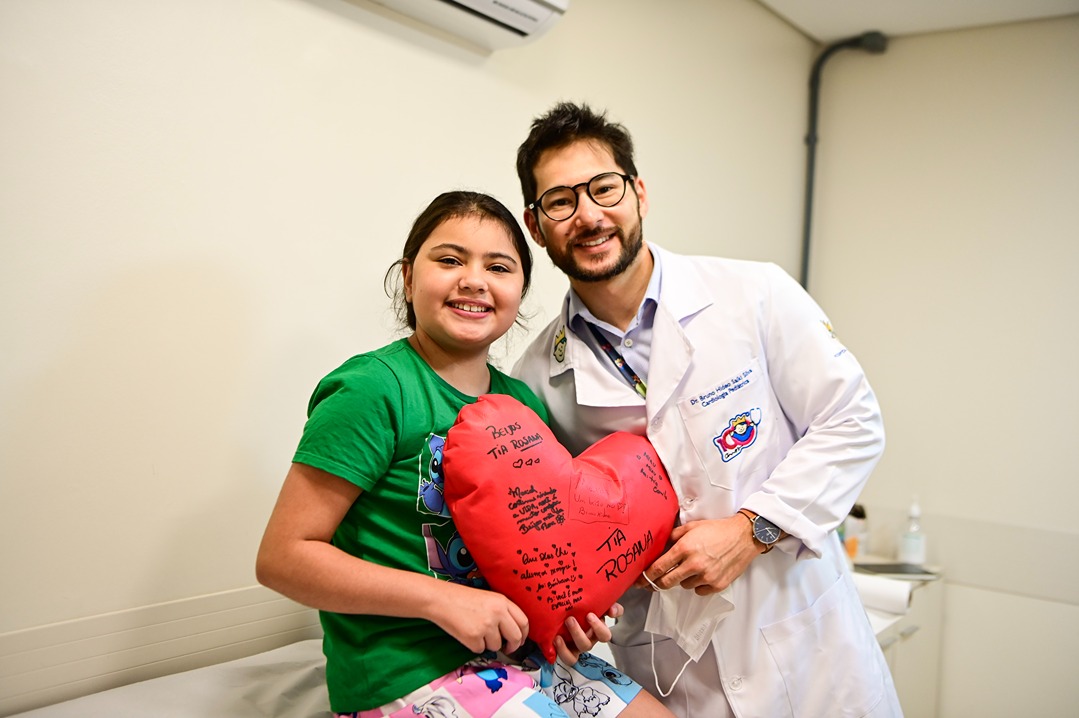
One in every five pediatric heart transplants performed in Brazil in 2025 was carried out at Pequeno Príncipe
Hospital reaches a historic milestone, strengthens its position as a national reference in pediatric transplantation, and brings renewed hope to children who depend on highly complex procedures to keep living