
One in every five pediatric heart transplants performed in Brazil in 2025 was carried out at Pequeno Príncipe
Hospital reaches a historic milestone, strengthens its position as a national reference in pediatric transplantation, and brings renewed hope to children who depend on highly complex procedures to keep living
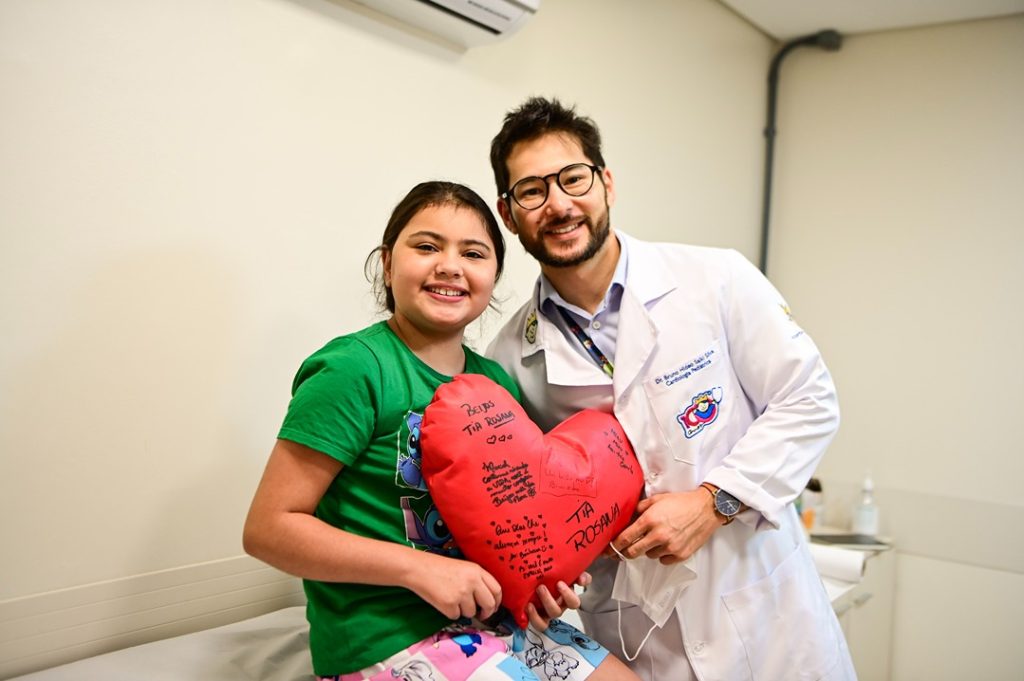
When she learned that a compatible heart had been found, Mariah Cruz dos Santos did not think about the risks of surgery or the long road that had brought her to that moment. The young girl from Lages, state of Santa Catarina, picked up the phone and called her family to tell them she was about to receive a new heart.
For her parents, the news brought a mixture of fear and hope. After enduring surgeries, hospital stays, and the unexpected diagnosis of dilated cardiomyopathy, the family arrived at Pequeno Príncipe Hospital seeking the only alternative capable of changing their daughter’s future: a heart transplant.
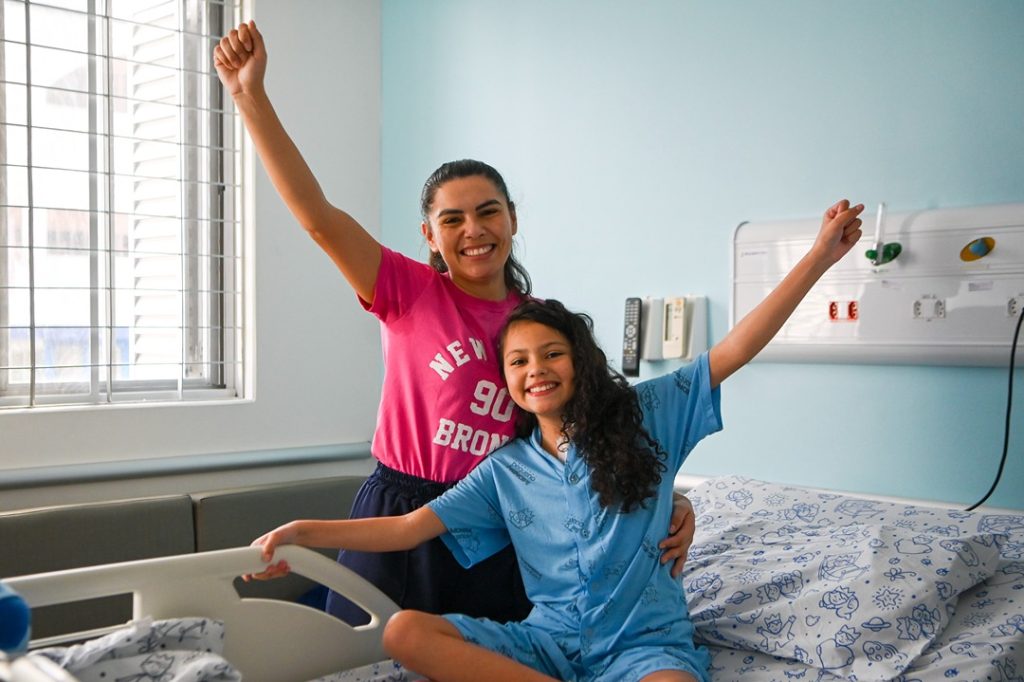
“My little girl is a transplant recipient, and her heart is new, healthy, and strong. Now Mariah will be able to play, run, and swim — things she couldn’t do before. It was a mixture of hope and relief,” recalls her mother, Rubia Cruz dos Santos.
A national reference
Stories like Mariah’s help explain a milestone achieved by Pequeno Príncipe Hospital in 2025. A national reference in pediatric cardiology, the institution performed 12 heart transplants throughout the year — the highest annual volume in its history and the equivalent of approximately 20% of all pediatric heart transplants performed in Brazil during the period.
The achievement came just months after another historic milestone: the institution’s 50th heart transplant. More than numbers, these accomplishments represent new opportunities for children and adolescents who arrive at the Hospital in extremely serious condition, often after exhausting every other therapeutic option.
The program’s excellence is supported by a highly specialized infrastructure. Pequeno Príncipe has an exclusive intensive care unit for cardiac patients, in addition to Hemodynamics, Electrophysiology, and Echocardiography services, which enable accurate assessments and integrated interventions throughout every stage of treatment. This combination of technology, expertise, and experience makes it possible to provide safe care even in the most complex cases.
Other transplants
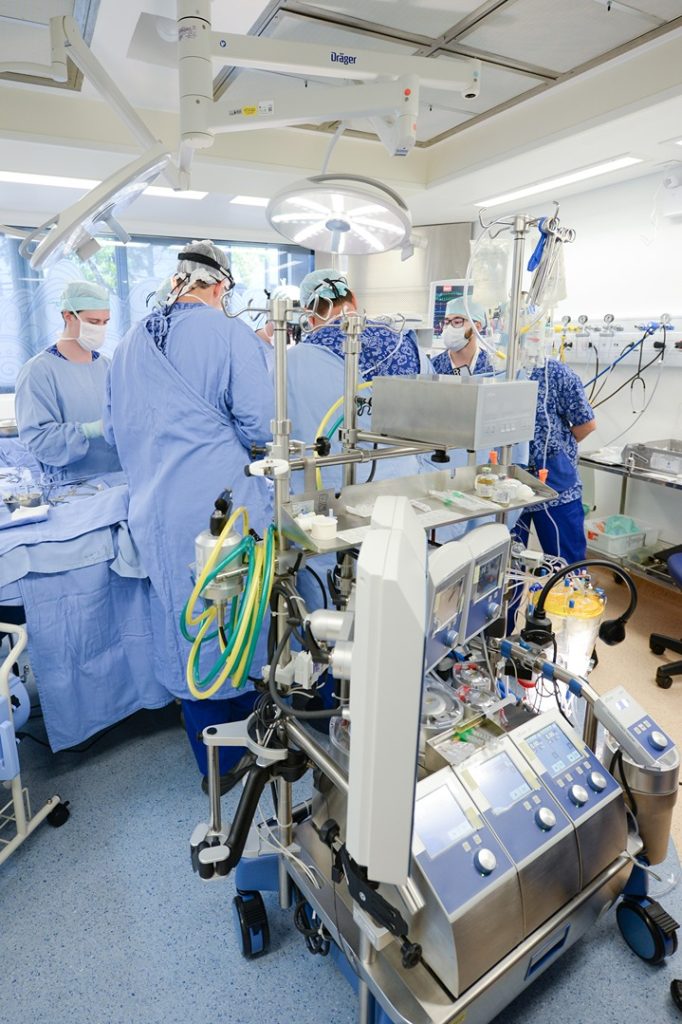
But the institution’s role in pediatric transplantation extends far beyond the heart. The Hospital maintains well-established liver, kidney, bone marrow, and heart valve transplant programs, serving patients from across Brazil. In hepatology, it is one of the few Brazilian centers qualified to perform transplants in children weighing less than ten kilograms, offering a lifesaving option for severe cases such as fulminant hepatitis, metabolic diseases, liver tumors, and biliary tract disorders.
In nephrology, kidney transplantation occupies a special place in the institution’s history. It was the first type of transplant performed at the Hospital and remains one of the cornerstones of its care model, integrated into a comprehensive continuum of services that includes dialysis therapies and long-term follow-up.
Pequeno Príncipe is also moving forward with the implementation of its Intestinal Transplant Service, expanding its ability to care for children with intestinal failure, one of the most complex conditions in pediatric medicine.
Behind every procedure is a network of professionals dedicated to transforming difficult diagnoses into new possibilities. And there is also one essential act without which no transplant would be possible: organ donation.
“When I learned about Mariah’s illness, I became a blood donor and an advocate for organ donation. It is important to make your wishes known to your family and let them know that you want to be a donor. That decision saves lives,” says Rubia.
See more
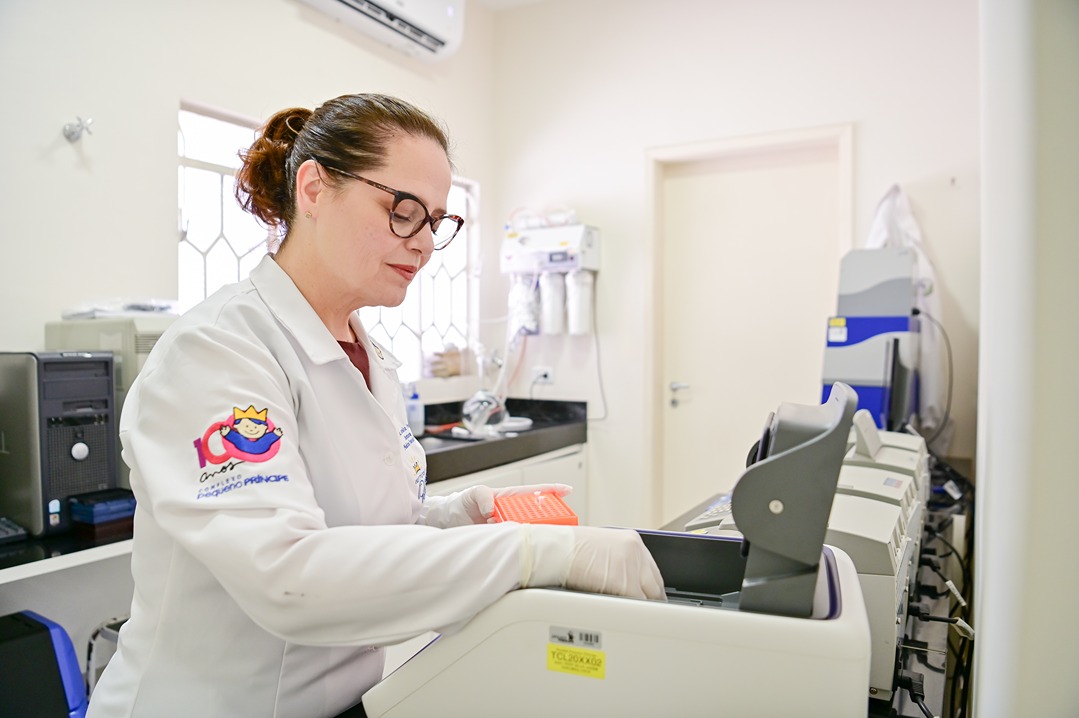
Research identifies novel genetic variants and expands the diagnosis of rare diseases
A study conducted by the Pelé Pequeno Príncipe Research Institute, supported by the Pequeno Príncipe Gala, demonstrates how whole-exome sequencing can help identify rare genetic diseases in childhood
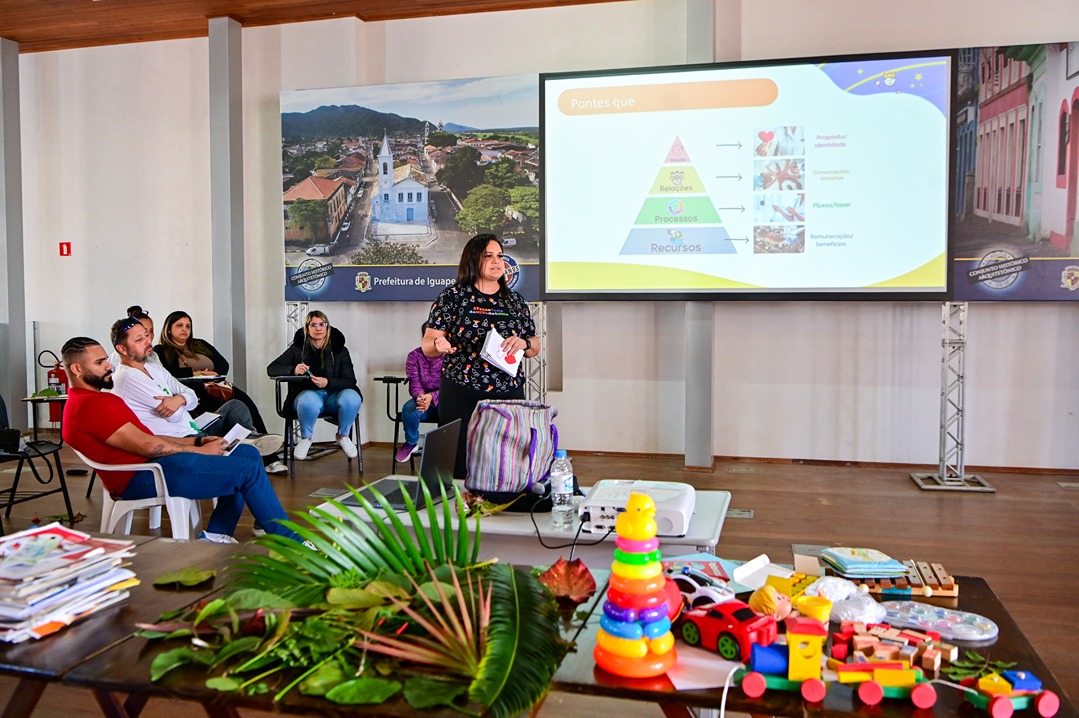
Pequeno Príncipe’s experience strengthens early childhood care in a municipality in São Paulo state
A project developed with the support of the Tecendo Infâncias Institute brought training to healthcare professionals in Iguape, expanding practices focused on child development and the humanized care of children and their families

When SUS (Brazilian Public Health System) coverage falls short, solidarity steps in
In 2025, Pequeno Príncipe Hospital allocated more than US$ 1.84 million to supplement the purchase of medications used in the treatment of patients covered by SUS. Many of these medications are either not covered or receive insufficient funding through the public healthcare system
One Health: why human, animal, and environmental health are connected
At the Pequeno Príncipe Complex, this vision guides initiatives aimed at promoting health with a commitment to future generations
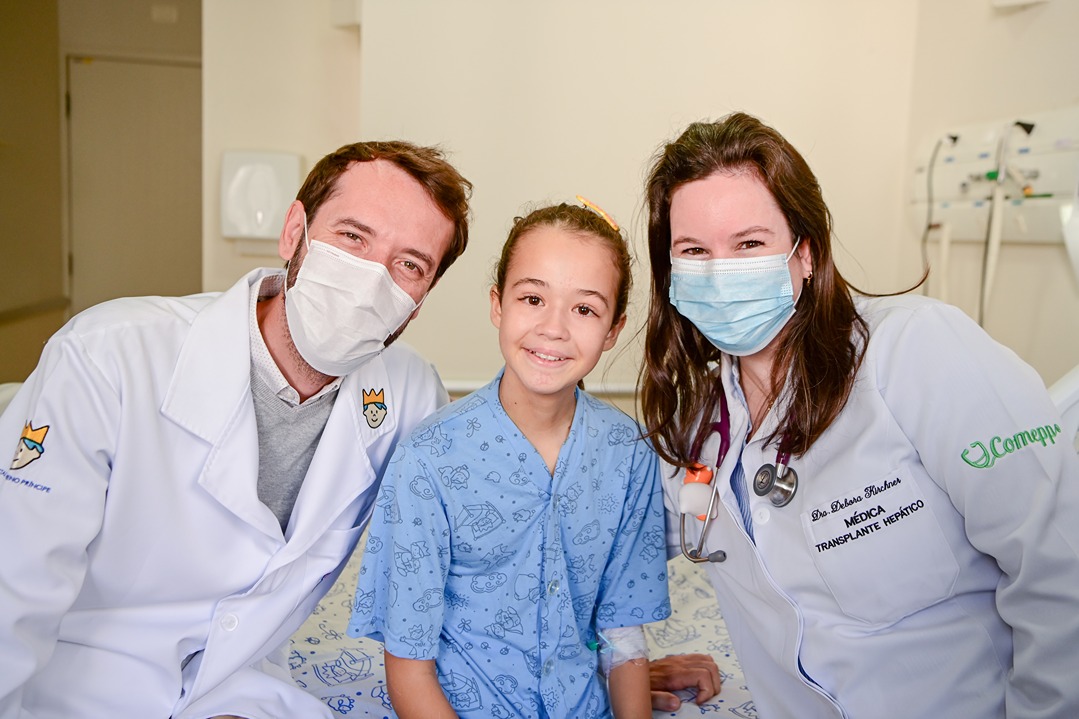
Donations funded 86% of the Hospital’s equipment investments in 2025
Support from donors made it possible to acquire from neonatal incubators and hemodialysis equipment to video systems for surgeries and high-precision diagnostic tests