
Research Institute study points to effects of herbicide combinations on human intestinal cells
Research identified that combining substances amplifies cellular damage and reinforces the importance of evaluating combined chemical exposures
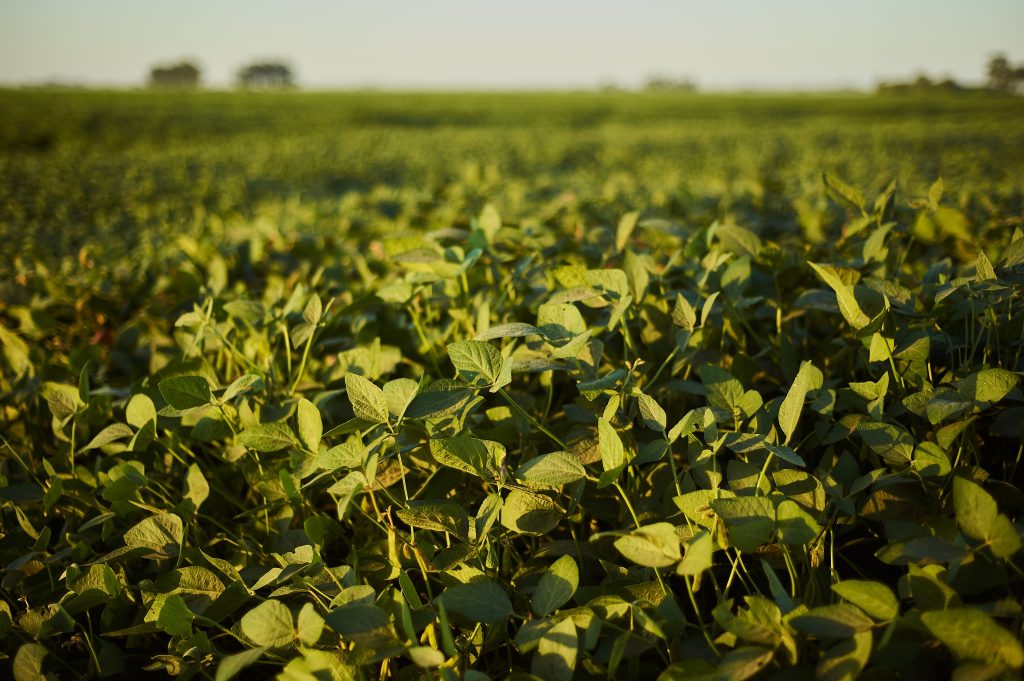
Research conducted by scientists from the Pelé Pequeno Príncipe Research Institute has brought new warnings regarding the impacts of combined exposure to herbicides widely used in agriculture. Published in the scientific journal Environmental Toxicology and Pharmacology, the study demonstrated that the association between the herbicides dicamba and 2,4-D may cause more severe damage to human intestinal cells than exposure to each substance individually.
The study evaluated the toxicological effects of the two compounds on human intestinal Caco-2 cells, internationally used in gastrointestinal health research. Researchers analyzed different cellular mechanisms related to toxicity, including oxidative stress, inflammation, cell death, and impairment of intestinal barrier function.
Results showed that when combined, the herbicides caused more severe biological alterations than when assessed separately. Observed effects included increased oxidative stress, reduced cell viability, and greater induction of apoptosis — the programmed cell death process.
Real-world exposure and health impacts
According to the researchers, the relevance of the study lies precisely in evaluating a scenario close to real life. In agricultural environments, herbicides are frequently used together to increase weed-control effectiveness, expanding possibilities of simultaneous exposure through water, food, and the environment.
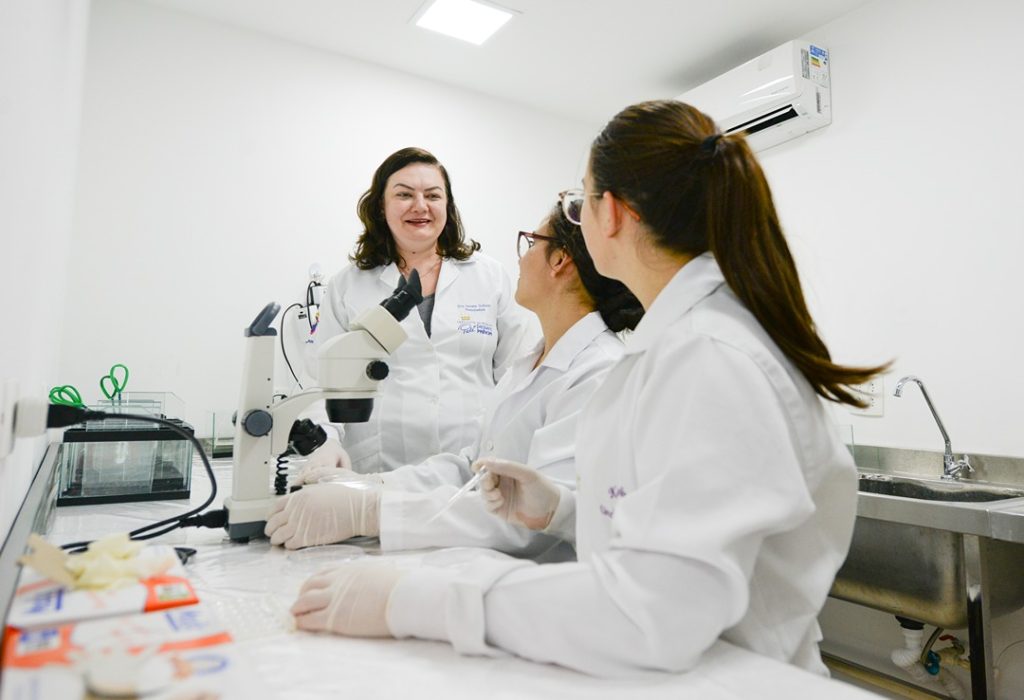
Although many toxicological studies analyze isolated substances, scientists emphasize that chemical mixtures may produce different and potentially more aggressive effects on the body.
“The research reinforces the importance of expanding studies on combined exposures, which are part of the population’s environmental and dietary reality. Understanding these mechanisms is essential for advancing risk assessment and protecting human health,” emphasizes researcher Izonete Cristina Guiloski, who led the study.
Science focused on public health
The article also highlights the role of the Pelé Pequeno Príncipe Research Institute in subjects connecting science, public health, and prevention. In addition to investigating pediatric diseases and treatments, the Institute develops research focused on environmental impacts and factors that may influence health throughout life.
The study was conducted in partnership with researchers from the Federal University of Paraná, Pequeno Príncipe College, and other Brazilian institutions, strengthening scientific collaboration around strategic public health topics.
See more
One Health: why human, animal, and environmental health are connected
At the Pequeno Príncipe Complex, this vision guides initiatives aimed at promoting health with a commitment to future generations
Donations funded 86% of the Hospital’s equipment investments in 2025
Support from donors made it possible to acquire from neonatal incubators and hemodialysis equipment to video systems for surgeries and high-precision diagnostic tests
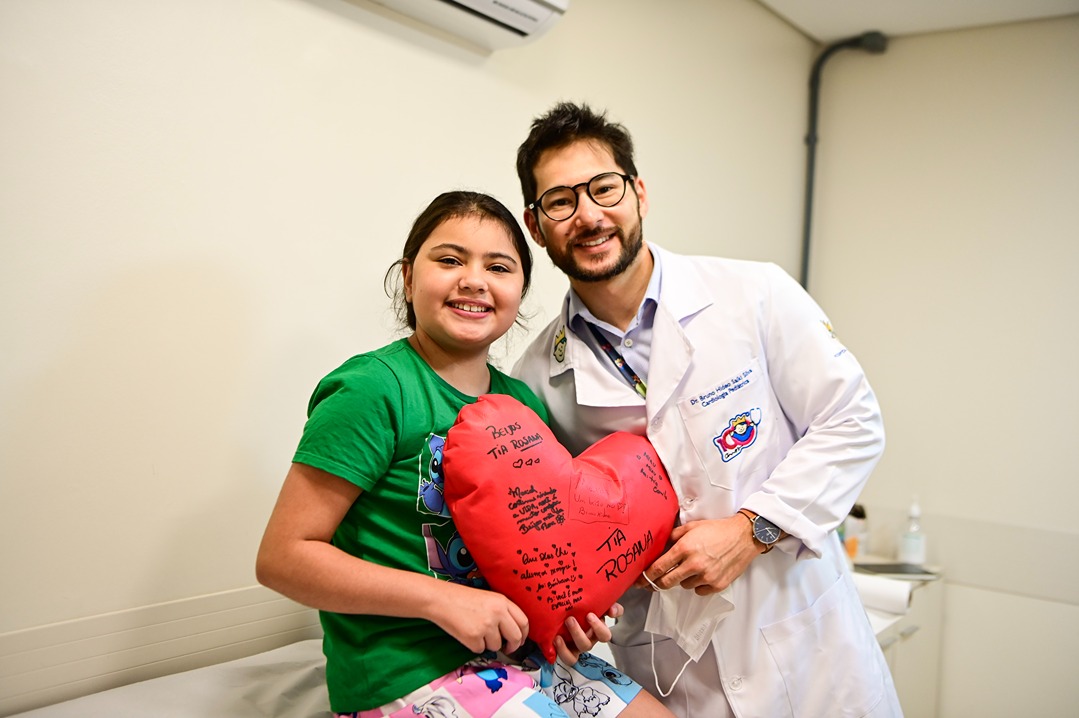
One in every five pediatric heart transplants performed in Brazil in 2025 was carried out at Pequeno Príncipe
Hospital reaches a historic milestone, strengthens its position as a national reference in pediatric transplantation, and brings renewed hope to children who depend on highly complex procedures to keep living
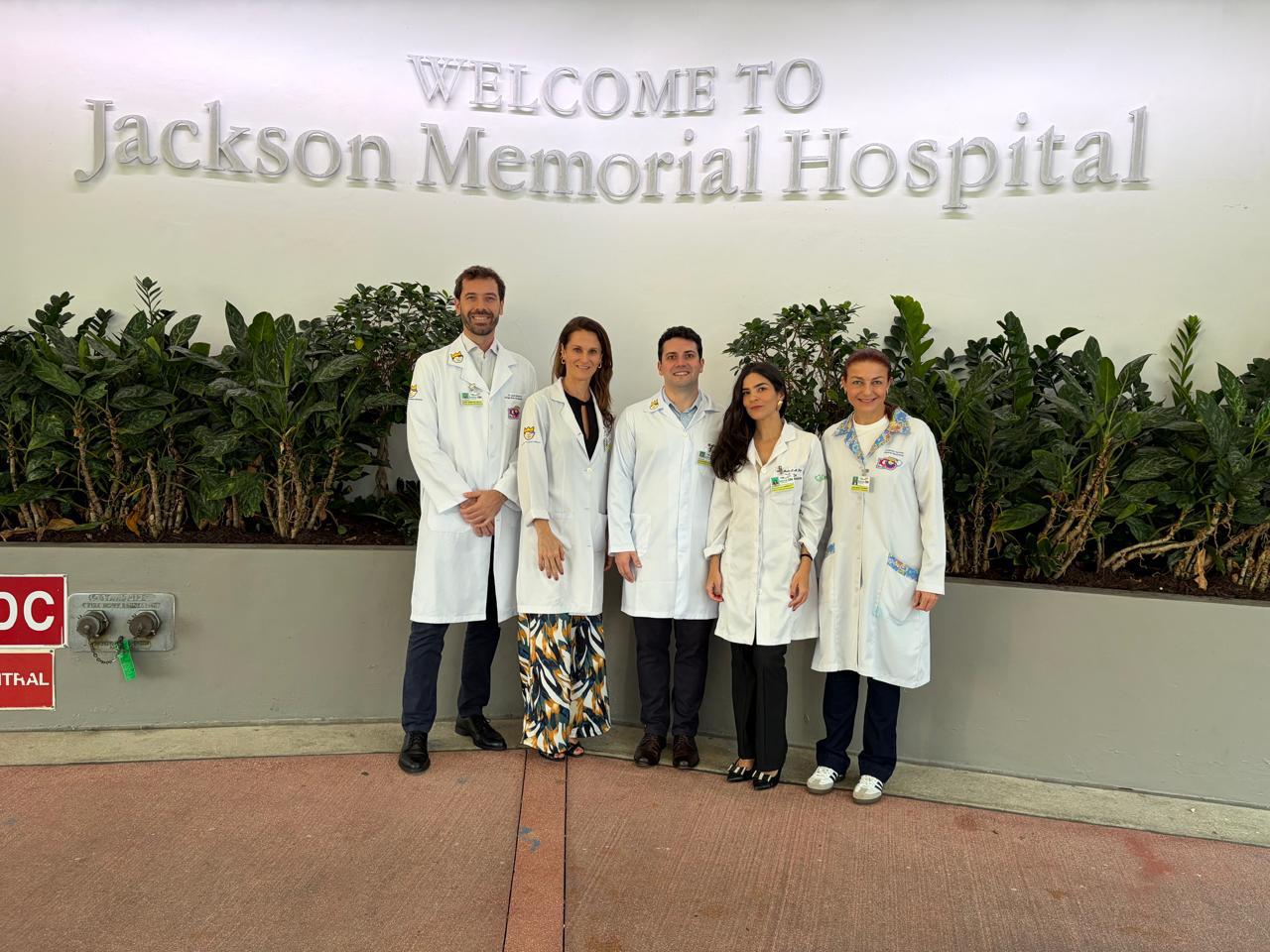
Hospital advances preparations to perform intestinal transplants
Institution is accredited by the Brazilian Ministry of Health as a Reference Service for Intestinal Failure and invests in international training for teams

Most child victims of violence treated at Pequeno Príncipe are up to 6 years old
Over 20 years, the institution has treated more than 10,000 children and adolescents with suspected abuse and mistreatment; most assaults occur at home