
Hospital advances preparations to perform intestinal transplants
Institution is accredited by the Brazilian Ministry of Health as a Reference Service for Intestinal Failure and invests in international training for teams
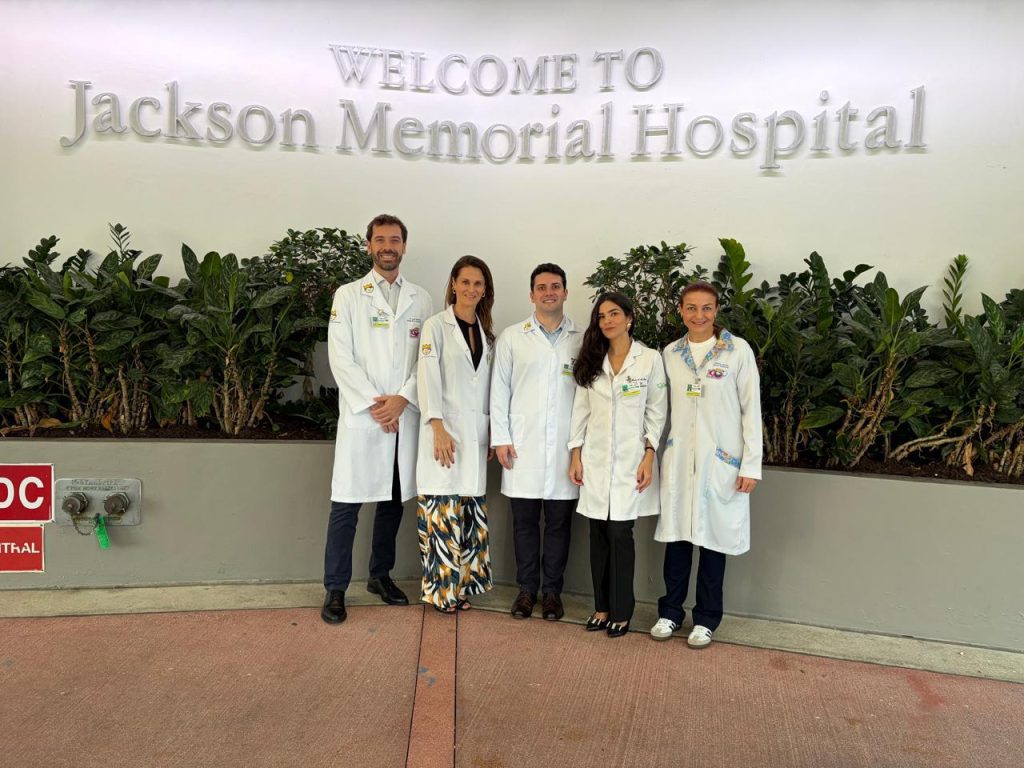
Pequeno Príncipe Hospital has taken another step toward expanding highly complex pediatric treatments. In February, the institution was accredited by the Brazilian Ministry of Health as a Reference Service for the Treatment of Patients with Intestinal Failure, recognition that strengthens its role in one of the most challenging fields of Brazilian pediatric medicine.
The accreditation represents an important advancement in the care of children and adolescents with intestinal failure — a serious condition in which the intestine loses the ability to absorb nutrients and fluids necessary for the body, requiring highly specialized follow-up care and, in some cases, intestinal transplantation. Pequeno Príncipe is one of only five Brazilian institutions accredited to provide this type of care.

Preparing for a new stage of care
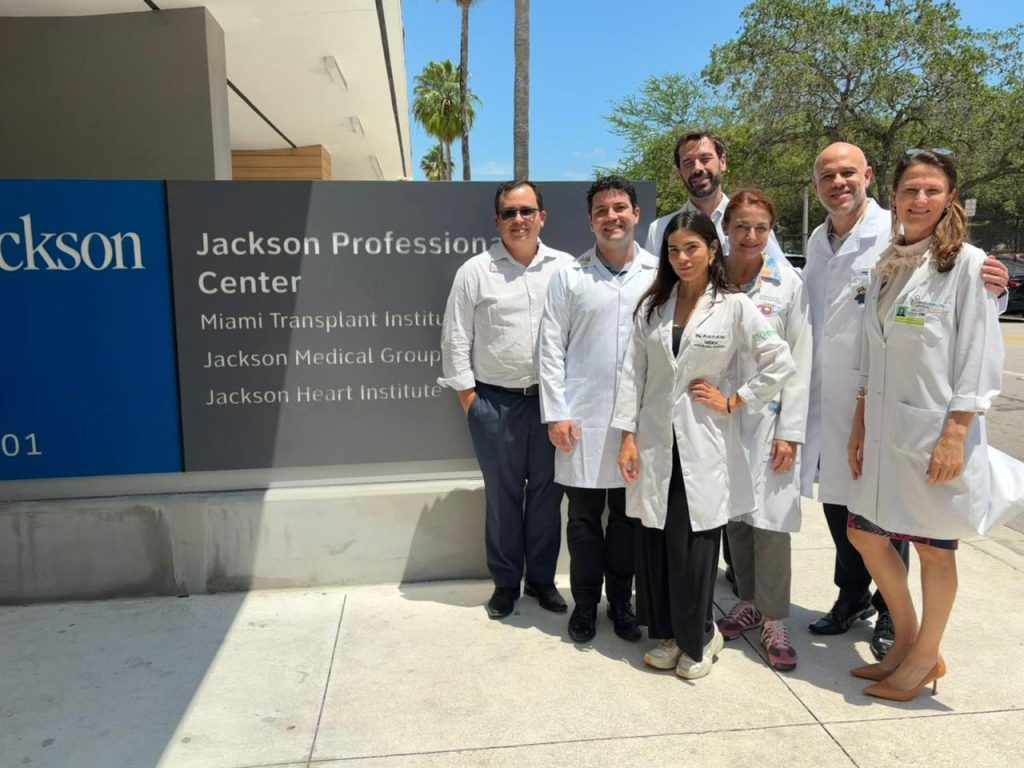
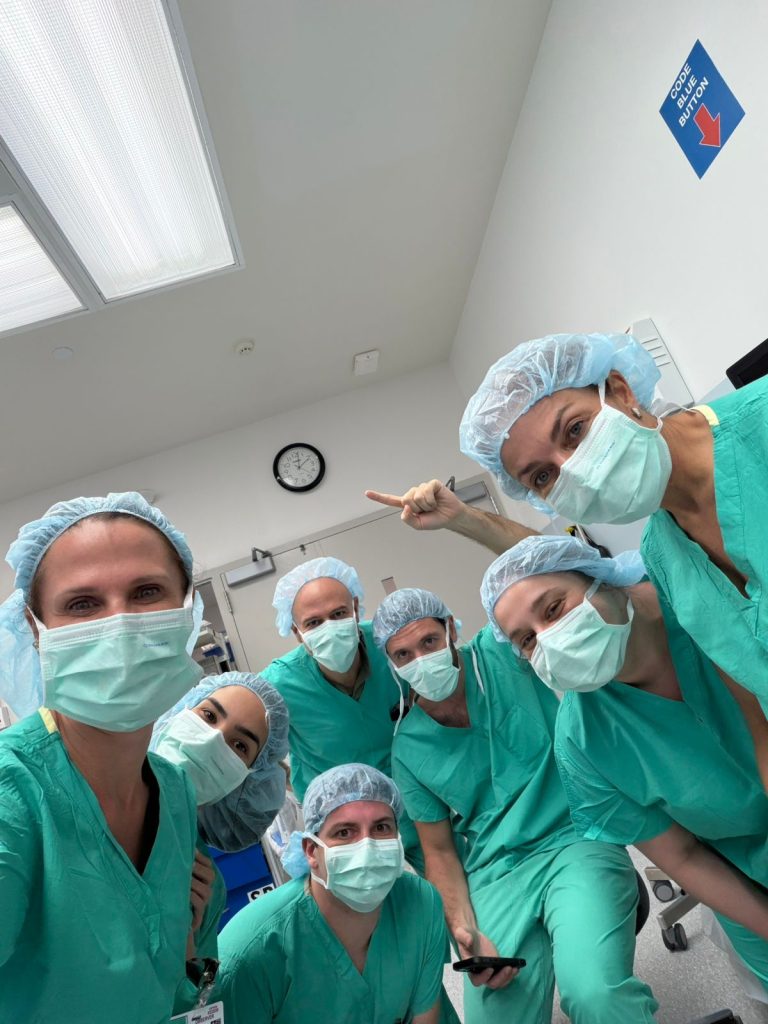
As part of this initiative, the Hospital has also started training a multiprofessional team focused on intestinal transplantation. Physicians and professionals directly involved in this line of care participated in an international training program at Jackson Memorial Hospital in Miami, one of the world’s leading centers in this field.
Over two weeks, the team engaged in technical and clinical immersion activities, following clinical discussions, patient management, and the structuring of specialized intestinal transplant services.
The initiative strengthens a partnership built over the years with international references such as surgeon Rodrigo Vianna, director of the Miami Transplant Institute, who also played an important role in resuming liver transplantation activities at Pequeno Príncipe Hospital.
Greater access to highly specialized treatments
The new accreditation expands the institution’s capacity to provide comprehensive care to patients with intestinal failure, bringing together multiprofessional care, intestinal rehabilitation, and preparation for highly complex procedures.
Beyond the clinical impact, this advancement reinforces the Hospital’s commitment to continuous team development and the incorporation of international best practices into pediatric care.
“This movement reinforces our commitment to offering increasingly specialized treatments aligned with the best global practices, expanding care possibilities for children and adolescents with extremely complex conditions,” highlights surgeon José Sampaio Neto, from the Pequeno Príncipe Hospital team.
Excellence built continuously
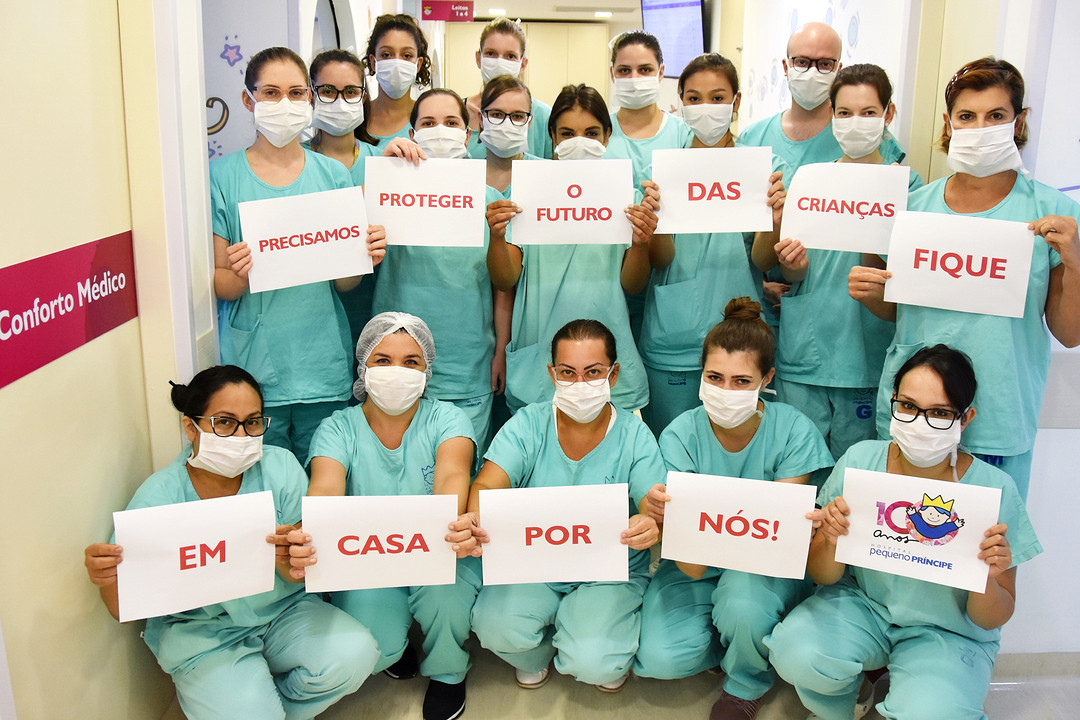
A national reference in pediatric transplantation, Pequeno Príncipe Hospital already performs kidney, liver, heart, bone marrow, bone tissue, and heart valve transplants. It is now also advancing the development of a care line dedicated to intestinal failure and pediatric intestinal transplantation — an area still concentrated in only a few specialized centers worldwide.
More than expanding services, this initiative represents the continuous search for solutions capable of providing better quality of life and new treatment possibilities for patients facing highly complex conditions.
See more
One Health: why human, animal, and environmental health are connected
At the Pequeno Príncipe Complex, this vision guides initiatives aimed at promoting health with a commitment to future generations
Donations funded 86% of the Hospital’s equipment investments in 2025
Support from donors made it possible to acquire from neonatal incubators and hemodialysis equipment to video systems for surgeries and high-precision diagnostic tests
One in every five pediatric heart transplants performed in Brazil in 2025 was carried out at Pequeno Príncipe
Hospital reaches a historic milestone, strengthens its position as a national reference in pediatric transplantation, and brings renewed hope to children who depend on highly complex procedures to keep living

Research Institute study points to effects of herbicide combinations on human intestinal cells
Research identified that combining substances amplifies cellular damage and reinforces the importance of evaluating combined chemical exposures

Most child victims of violence treated at Pequeno Príncipe are up to 6 years old
Over 20 years, the institution has treated more than 10,000 children and adolescents with suspected abuse and mistreatment; most assaults occur at home