
Most child victims of violence treated at Pequeno Príncipe are up to 6 years old
Over 20 years, the institution has treated more than 10,000 children and adolescents with suspected abuse and mistreatment; most assaults occur at home
Violence against children continues to happen early in life, repeatedly, and most often within the home. This is revealed by a survey conducted by Pequeno Príncipe Hospital marking the 20th anniversary of the For Life Campaign (Pra Toda Vida Campaign) — Violence Cannot Mark the Future of Children and Adolescents. Over two decades, the institution has surpassed the milestone of 10,000 consultations involving infants, children, and adolescents with suspected abuse and mistreatment.

In 2025 alone, 637 cases related to violence against children and adolescents were recorded. The data reveal a persistent and concerning pattern: in 64% of cases, the violence was sexual in nature; 67% of victims were up to 6 years old; and 72% of assaults occurred within the home environment.
The figures also highlight the recurrence of violence. More than one-third of the records showed repeated histories of aggression, indicating that violence often does not occur as an isolated event but persists over time.
Silent violence that is difficult to identify
The reality faced by the Hospital team shows that many cases involve children too young to understand or report what they are experiencing. In 2025, the youngest victim treated with signs of sexual abuse was only 6 months old. In another case, a baby just 10 days old required hospitalization with multiple physical injuries.
This scenario reinforces the importance of attentive adults recognizing warning signs and the coordination among health, education, social assistance, and justice systems.
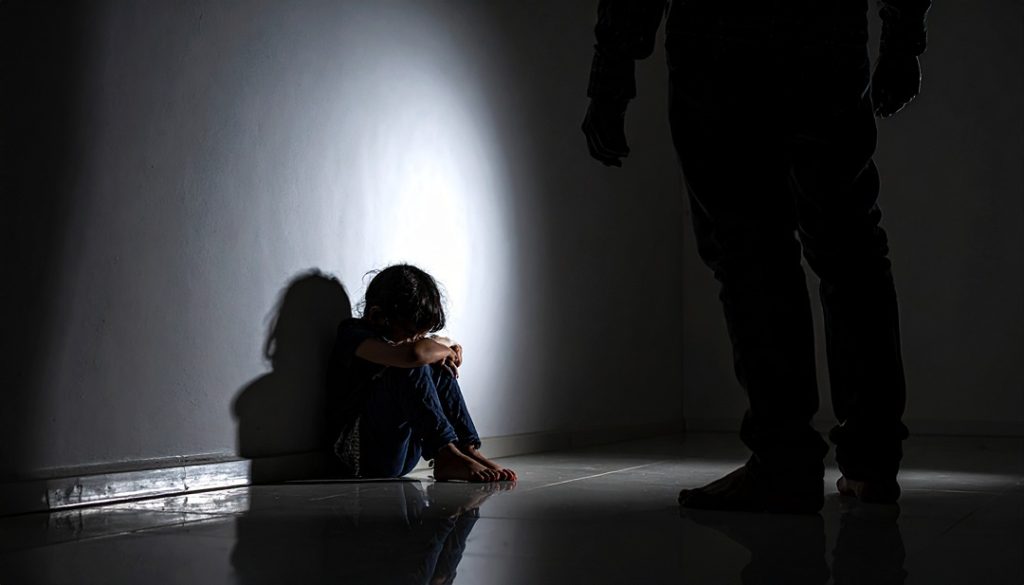
Information and mobilization to protect childhood
Created to break the silence surrounding violence against children and adolescents, the For Life Campaign has expanded its activities over the years and now includes awareness initiatives, production of technical content, professional training, and strengthening of the protection network.
In 2026, under the theme “Protecting childhood is everyone’s commitment,” the initiative emphasizes that combating violence depends on collective engagement from society.
“When violence affects such young children, confronting it depends on everyone’s action. Society’s attentive perspective is essential to interrupt cycles of aggression and protect childhood,” highlights Ety Cristina Forte Carneiro, executive director of Pequeno Príncipe Hospital.
Recognizing the signs can save lives
Sudden behavioral changes, excessive fear, aggressiveness, isolation, sleep difficulties, declining school performance, and age-inappropriate behaviors are some signs that may indicate situations of violence. Identifying these signs and reporting them is essential to interrupt the cycle of abuse.
Reporting means protecting
Reports in Brazil may be made anonymously:
– Dial 100 (national, in Brazil)
– 181 (Paraná state)
– 156 (in Curitiba)
– Dial 911 (in the US)
📲 Click here and learn more about the For Life Campaign. The content is available only in Portuguese.
See more
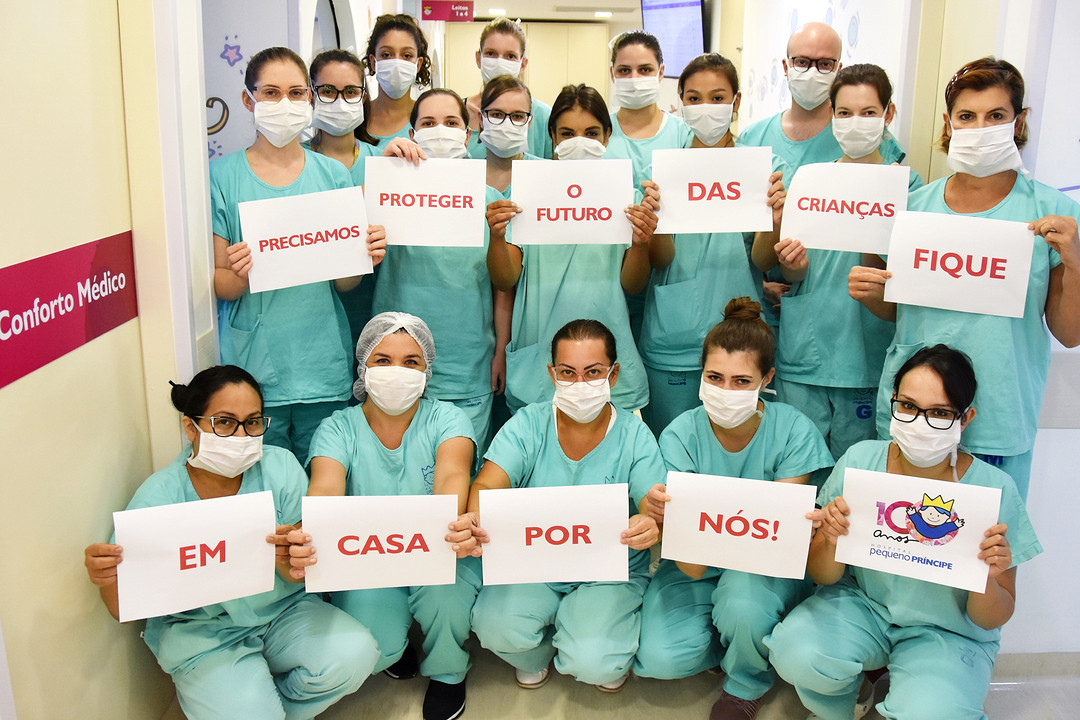
One Health: why human, animal, and environmental health are connected
At the Pequeno Príncipe Complex, this vision guides initiatives aimed at promoting health with a commitment to future generations
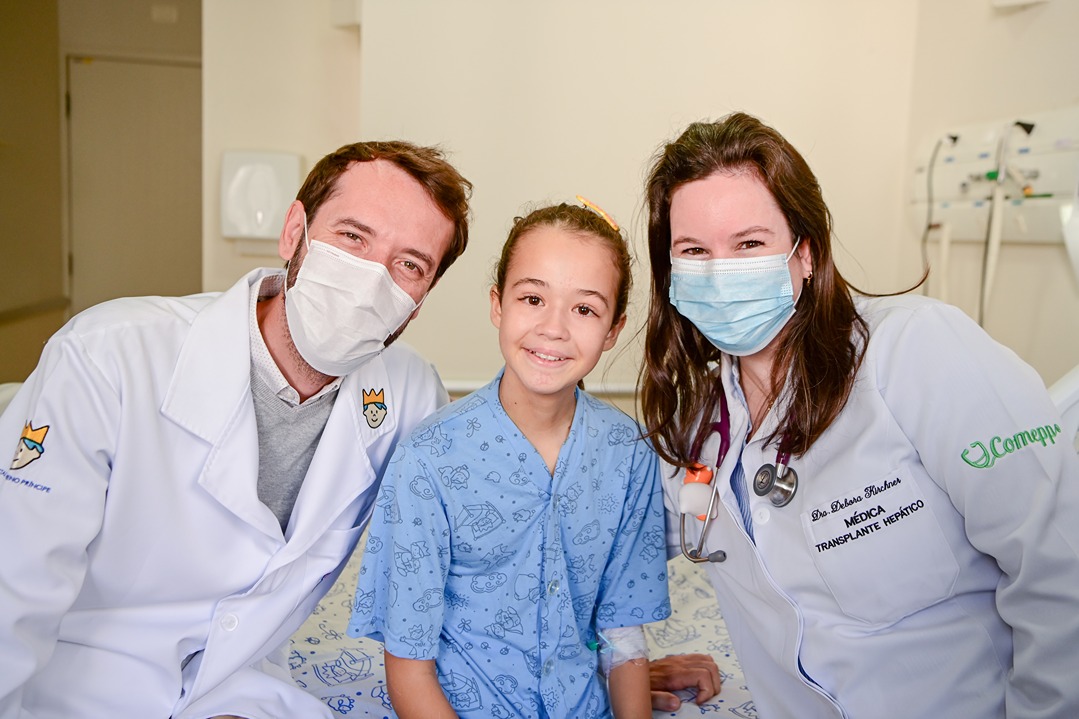
Donations funded 86% of the Hospital’s equipment investments in 2025
Support from donors made it possible to acquire from neonatal incubators and hemodialysis equipment to video systems for surgeries and high-precision diagnostic tests
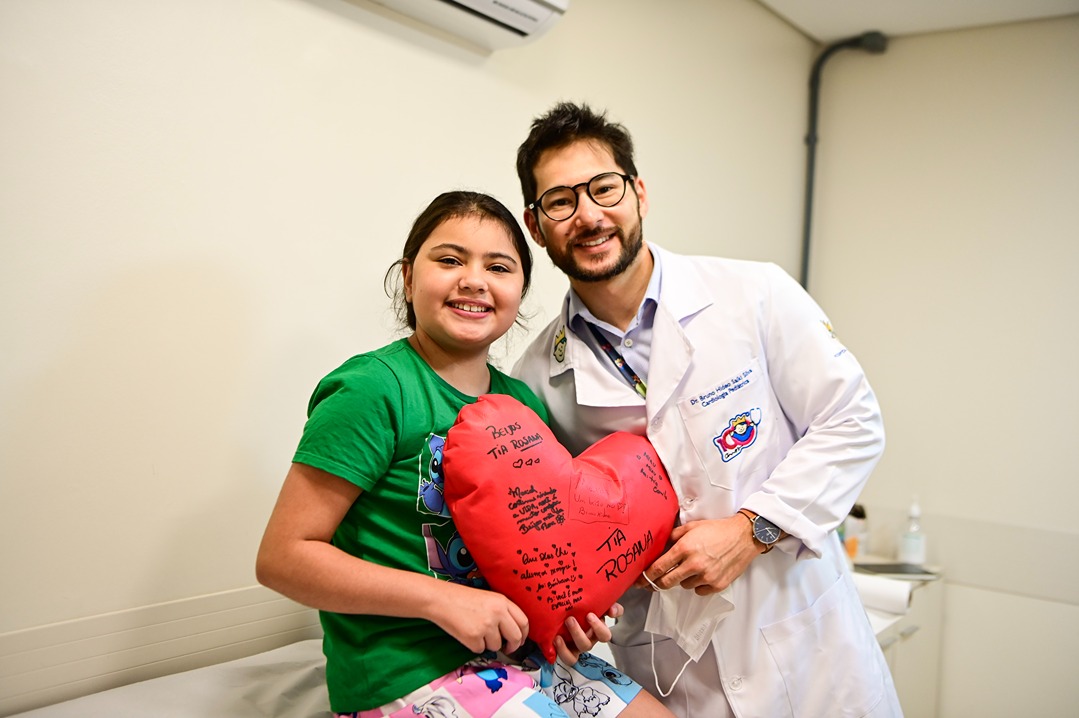
One in every five pediatric heart transplants performed in Brazil in 2025 was carried out at Pequeno Príncipe
Hospital reaches a historic milestone, strengthens its position as a national reference in pediatric transplantation, and brings renewed hope to children who depend on highly complex procedures to keep living

Research Institute study points to effects of herbicide combinations on human intestinal cells
Research identified that combining substances amplifies cellular damage and reinforces the importance of evaluating combined chemical exposures
Hospital advances preparations to perform intestinal transplants
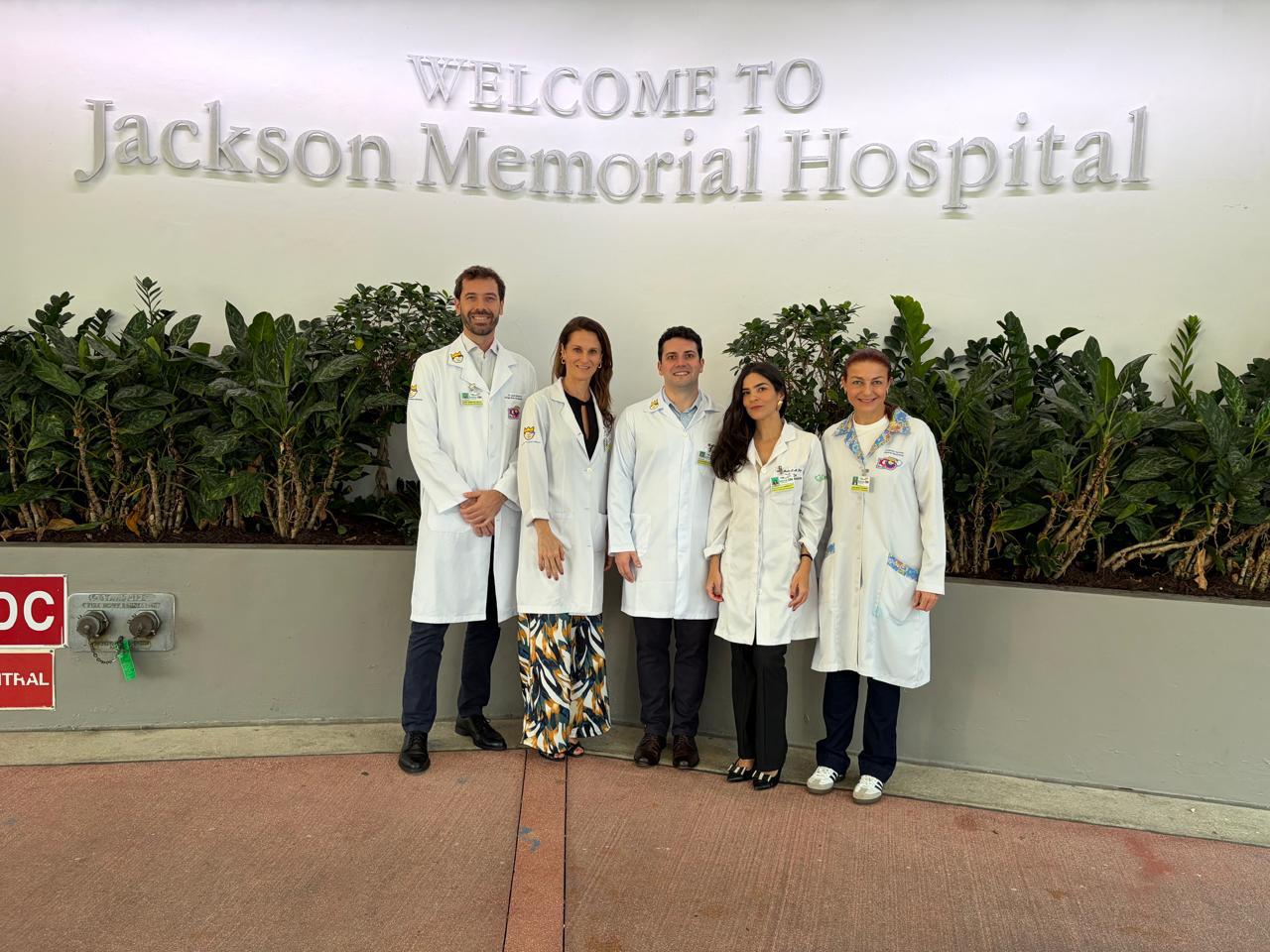
Institution is accredited by the Brazilian Ministry of Health as a Reference Service for Intestinal Failure and invests in international training for teams