
Pequeno Príncipe Biobank drives unprecedented discovery on neuroblastoma
Samples stored at the institution enabled international research that revealed how the tumor protects itself, opening paths for new treatments
A recent discovery in international science has provided new paths for the treatment of neuroblastoma, one of the most aggressive childhood cancers. Part of this advancement was possible thanks to the work carried out by the Pelé Pequeno Príncipe Research Institute, through its biobank.
Researchers from the University of Queensland, in Australia, mapped with a high level of precision the functioning of neuroblastoma, a tumor that mainly affects young children and is among the leading causes of death from childhood cancer. The study identified mechanisms that help the tumor protect itself in the body — described as true “shields” and “bodyguards” — and, from this, pointed out new therapeutic possibilities, including with drugs that are already under development.
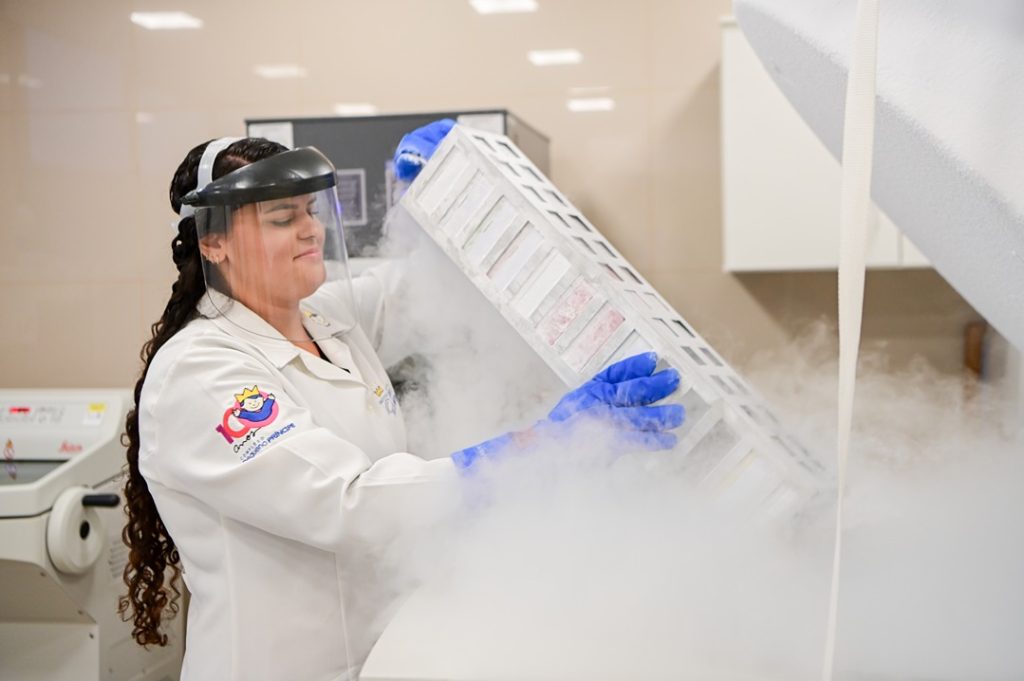
From the biobank to international research
The scientific advancement was only possible thanks to access to biological samples stored in the biobank of the Pelé Pequeno Príncipe Research Institute. Over the years, this collection has been gathering, with technical and ethical rigor, materials that today allow the conduct of high-complexity studies in partnership with international centers.
In addition, scientist Cleber Machado, from Pequeno Príncipe, is part of the group of researchers responsible for the study, reinforcing the institution’s active participation in global scientific production.
“More than support for research, the biobank represents a strategic choice of our institution, which is to invest in science as an integral part of healthcare,” emphasizes the general director of the Research Institute, Ety Cristina Forte Carneiro.
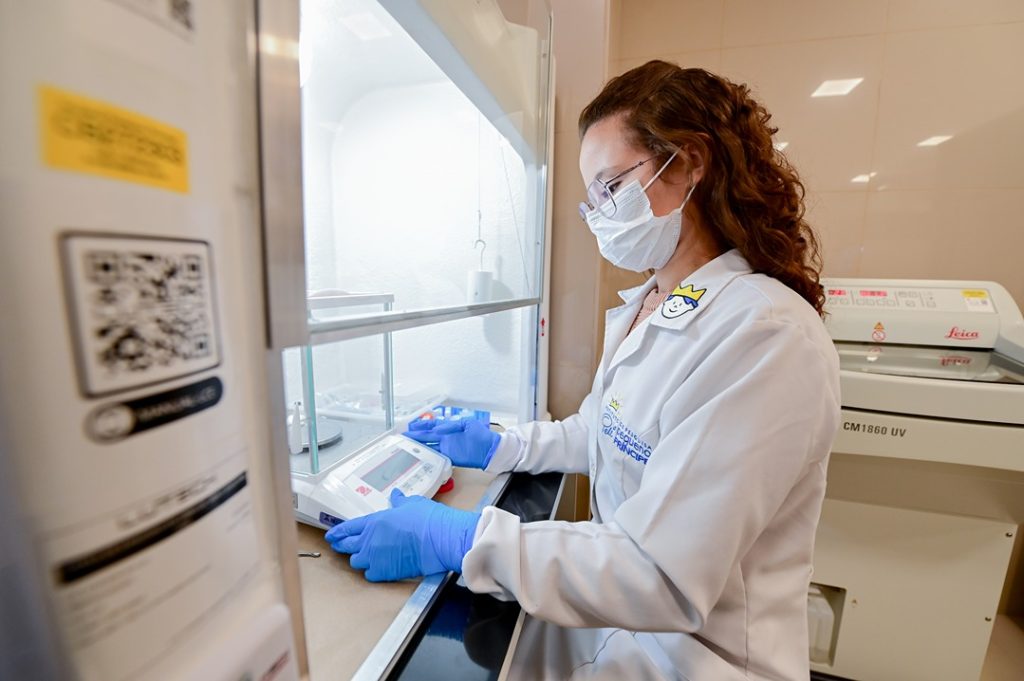
When the knowledge becomes treatment
The research revealed that high-risk neuroblastoma tumors use sophisticated mechanisms to survive, including proteins that act as barriers against the natural destruction of cancer cells. By identifying these vulnerabilities, researchers paved the way for the development of more effective therapies — with the potential to reach clinical practice in the coming years.
For children and families facing this diagnosis, this type of advancement represents more than a scientific discovery: it is a new possibility for treatment and concrete hope for better outcomes.
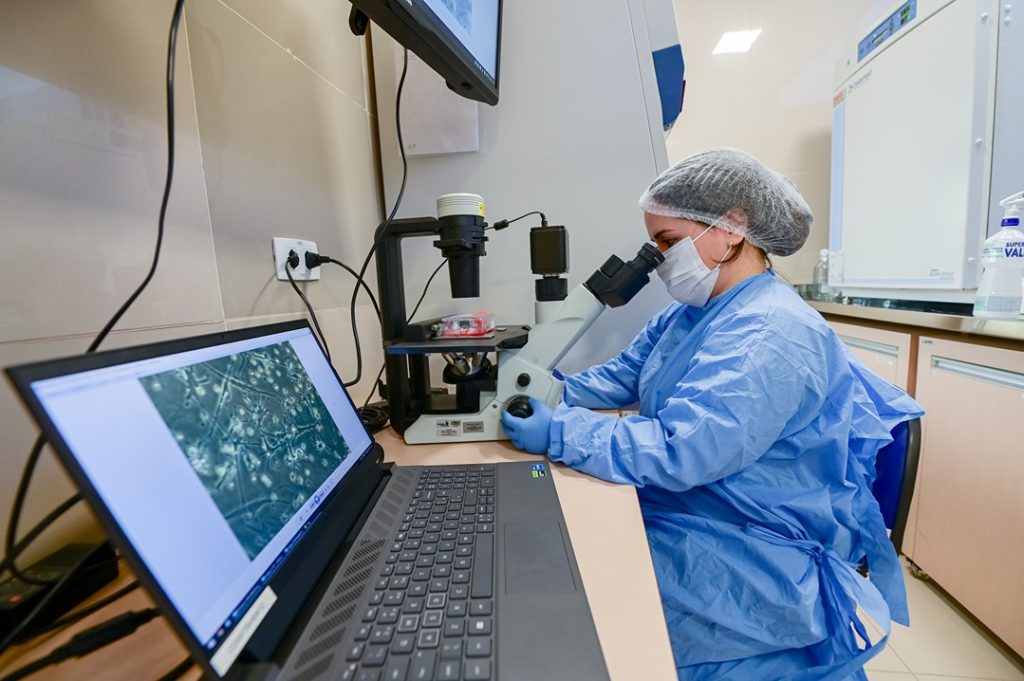
Science that is born from the support of society
An essential part of this trajectory is the support of society. Initiatives such as the Pequeno Príncipe Gala, which has already allocated resources for the construction of the biobank, and projects made possible through Pronon (Brazilian National Program to Support Oncology Care), with the participation of numerous companies, were decisive for its expansion and consolidation.
Structures such as the biobank, often little visible to the public, are fundamental to enable research of this level. By organizing, preserving, and making samples available with quality and traceability, they allow knowledge to advance more rapidly, shortening the path between research and the patient.
This funding model transforms social investment into concrete return for society: it accelerates scientific development, strengthens Brazil’s autonomy in knowledge production, and reduces the time between discovery and its application in care. “More than supporting a cause, partners and donors make possible a virtuous cycle in which each resource invested in science multiplies into impact, reach, and transformed lives,” highlights Ety.
See more

Research Institute study points to effects of herbicide combinations on human intestinal cells
Research identified that combining substances amplifies cellular damage and reinforces the importance of evaluating combined chemical exposures
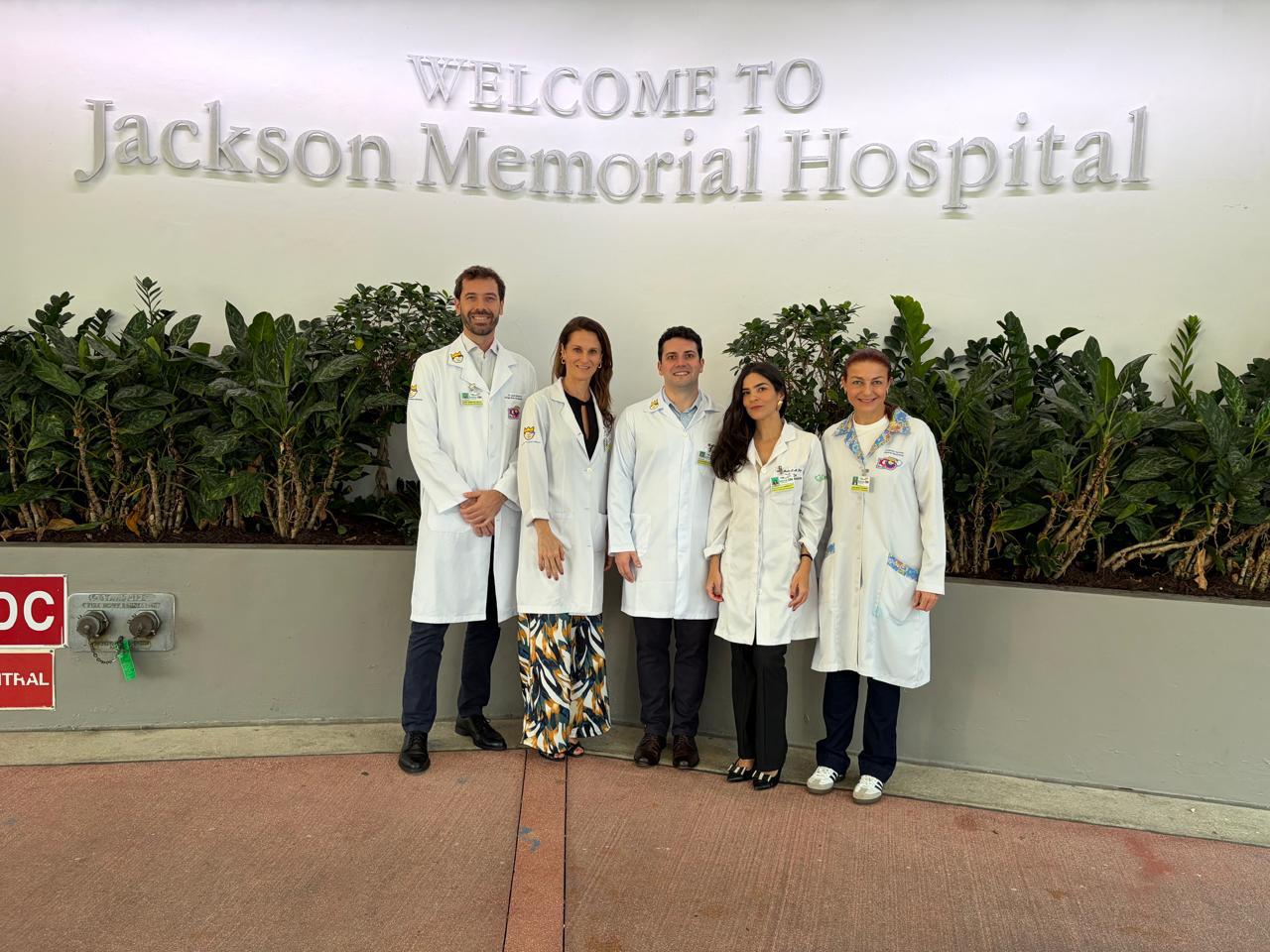
Hospital advances preparations to perform intestinal transplants
Institution is accredited by the Brazilian Ministry of Health as a Reference Service for Intestinal Failure and invests in international training for teams

Most child victims of violence treated at Pequeno Príncipe are up to 6 years old
Over 20 years, the institution has treated more than 10,000 children and adolescents with suspected abuse and mistreatment; most assaults occur at home

Construction of the Day Hospital marks the beginning of a new phase at the institution
The unit is part of the Pequeno Príncipe North project and will be dedicated to daytime care and elective surgeries
Pequeno Príncipe brings specialized care to children in the Amazon
Telemedicine overcomes distances and strengthens care in Manicoré (Amazonas state), one of the most challenging regions in the country