

Pequeno Príncipe Hospital treats more than 100,000 children in 2025 and reinforces its strategic role in SUS
76% of care was delivered through SUS (Brazilian Public Health System), with a high volume of hospitalizations, surgeries, and highly complex procedures

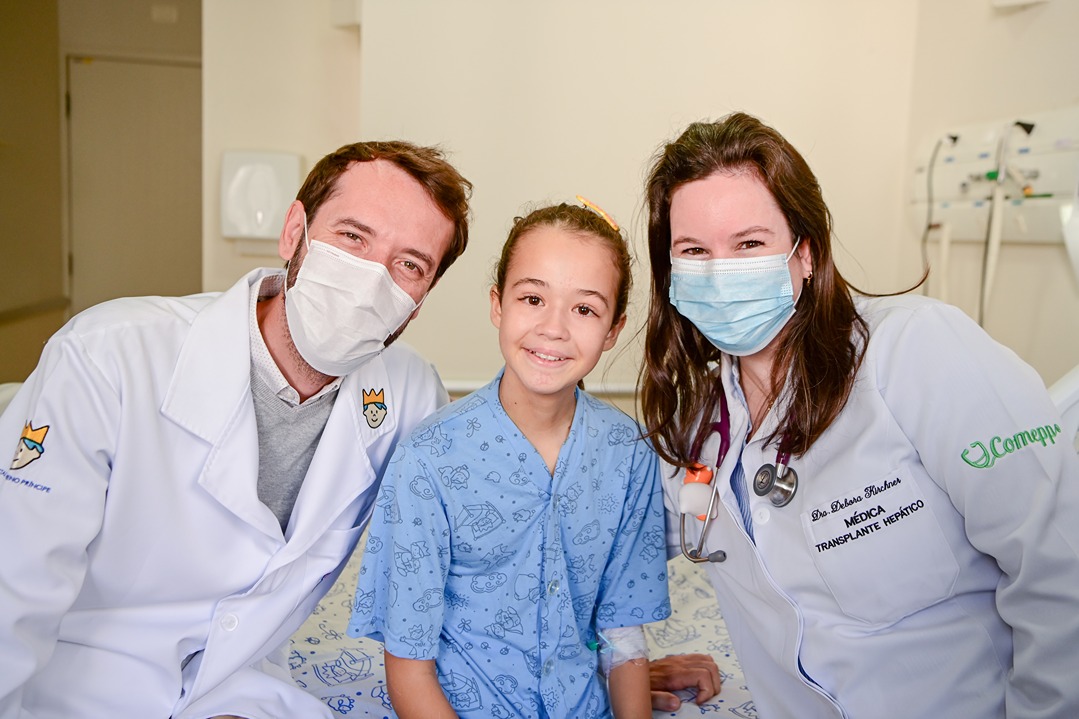
Mariah is one of the 101,873 children and adolescents whose lives were transformed by Pequeno Príncipe Hospital in 2025. Diagnosed as a baby with a congenital heart condition, she underwent surgeries, had a pacemaker, and in 2025 received at the Hospital an indication for a heart transplant. The procedure was successfully performed, allowing Mariah to return to something essential for any child: playing, running, and living childhood with more freedom. Her story translates, in one concrete life, the magnitude of the impact generated daily by the institution.
The number of services delivered in 2025 reflects the scale of Pequeno Príncipe Hospital’s work in a context of underfunding of pediatric care within Brazilian Public Health System (known as SUS) and the concentration of care in only a few specialized centers in Brazil.
More than volume, this figure reveals the capacity of an institution that, every day, sustains a large-scale operation to ensure access to treatments that are often not available in other regions of the country. Families from different states find at Pequeno Príncipe not only medical care, but a structure prepared to handle the most complex pediatric cases.
Strengthening SUS
In 2025, 76% of all care delivered by the Hospital was provided to patients of the Brazilian Public Health System, in accordance with the rules of the Certification of Beneficent Social Assistance Entities (CEBAS, in Portuguese). This significant percentage highlights a clear institutional choice: to work where the demand is greatest and where funding is most challenging. In the same period, 53.1% of the surgeries performed served SUS patients, while only 1.5% corresponded to private patients.
Sustaining this level of access requires operational efficiency and ongoing philanthropic support. Highly complex pediatric care involves high costs associated with highly specialized multiprofessional teams, cutting-edge technology, and hospital infrastructure prepared for critical situations — expenses that are not fully covered by public transfers.
There were 1,068,857 exams performed in 2025, essential for early diagnosis, clinical decision-making, and monitoring complex treatments. This volume reflects not only the intensity of Pequeno Príncipe’s work, but the precision required to ensure safety and quality in caring for children and adolescents.
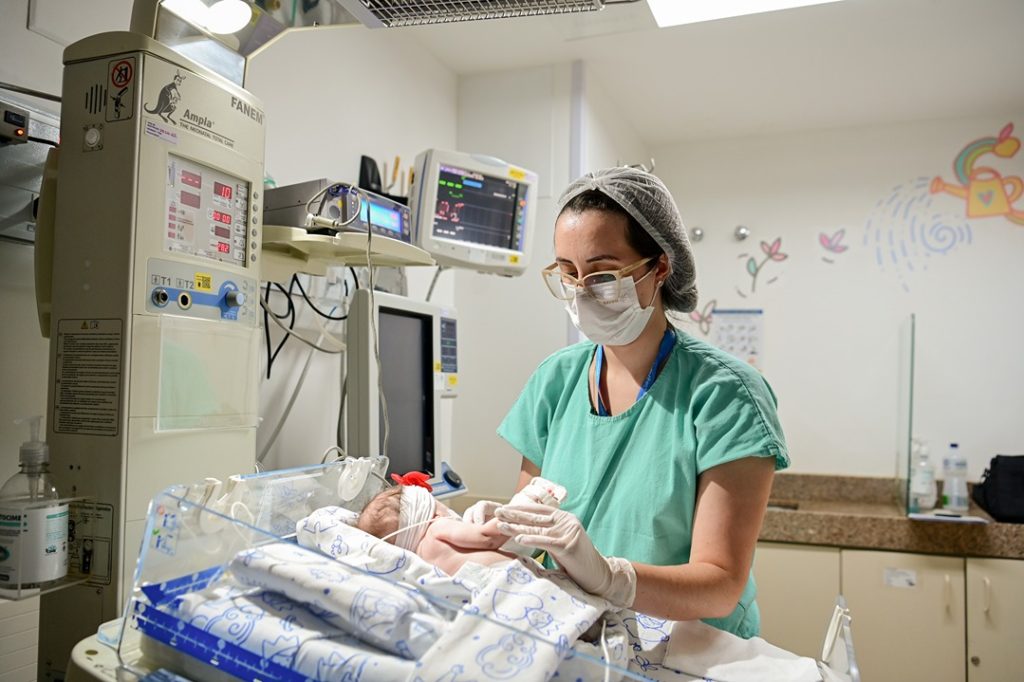
High complexity
The complexity of the cases treated is also reflected in hospitalizations. Throughout the year, the institution recorded 21,637 hospital admissions, of which 15%, i.e., 3,245, took place in intensive care units (ICUs). These were children who required continuous monitoring, advanced technology, and teams trained to handle high-risk situations.
The Hospital performed 20,534 surgical procedures in 2025 — small, medium, and major — many associated with congenital malformations and conditions that require coordinated action across different specialties. The ability to carry out this surgical volume with quality and safety positions Pequeno Príncipe as one of the country’s leading pediatric referral centers.
Among the most complex procedures are pediatric transplants. A total of 308 transplants were performed in 2025, including organs, tissues, and heart valves. Each one represents a combination of highly specialized medical care, sophisticated logistics, intensive support, and long-term follow-up — elements that make this type of care particularly costly and strategic.
Ongoing care is also central to the Hospital’s work. In 2025, children and adolescents underwent 5,004 hemodialysis sessions and 3,404 chemotherapy sessions, in addition to 258,554 outpatient visits. These figures reflect Pequeno Príncipe’s presence in the lives of patients living with chronic illnesses and long-term treatments, often over the course of years.
Social impact
For those investing in social impact, the 2025 picture reveals a clear equation: high scale, complex care delivery, and strong public impact, sustained by operational efficiency and social investment. Each number translates not only into care provided, but into the ability to turn resources into qualified care and access to health services.
In a system where public funding does not fully cover the costs of highly complex pediatric care, support from donors and social investors is decisive to keep this system running. “Investing in Pequeno Príncipe is strengthening SUS, ensuring excellence in care, and making sure that thousands of children and adolescents have access to world-class pediatric medicine — today and in the future,” emphasizes the Hospital’s executive director, Ety Cristina Forte Carneiro.
Pequeno Príncipe Hospital in numbers — 2025
• 101,873 children and adolescents treated
• 76% of care delivered through SUS
• 21,637 hospital admissions
• 258,554 outpatient visits
• 20,534 surgical procedures
• 308 pediatric transplants:
o 21 liver;
o 12 heart;
o 11 kidney;
o 34 heart valve;
o 163 bone tissue;
o 67 bone marrow.
You and your company can support several initiatives at the largest and most complete pediatric hospital in Brazil through direct investments. Please, click here and help transform the lives of boys and girls from all over Brazil!
See more
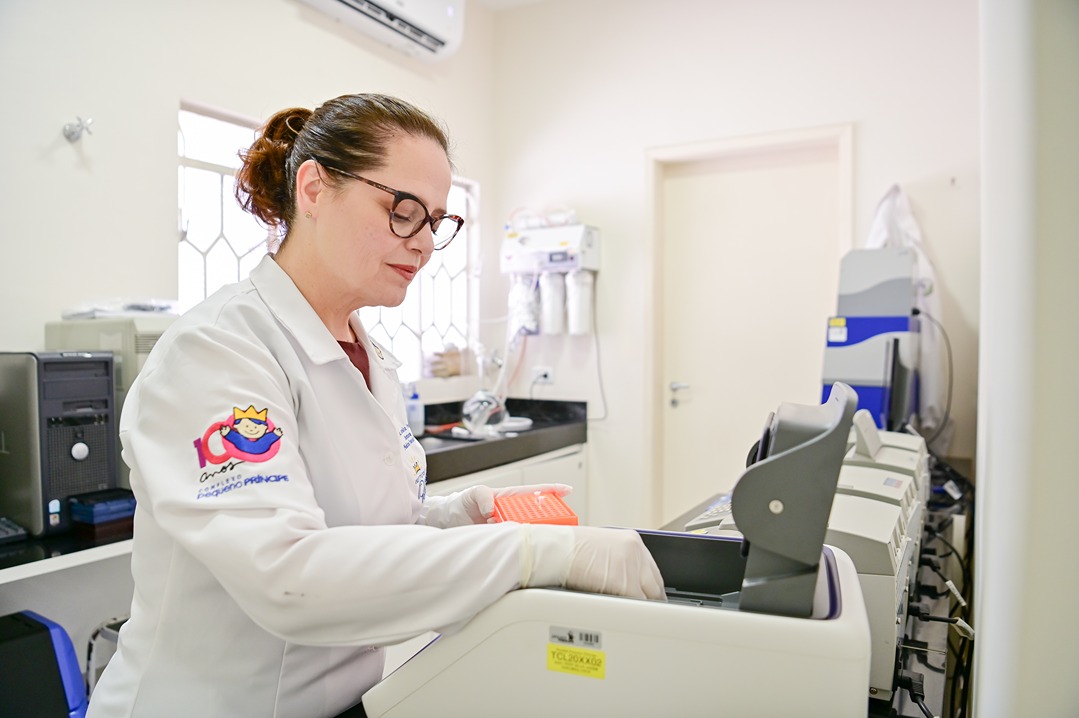
Research identifies novel genetic variants and expands the diagnosis of rare diseases
A study conducted by the Pelé Pequeno Príncipe Research Institute, supported by the Pequeno Príncipe Gala, demonstrates how whole-exome sequencing can help identify rare genetic diseases in childhood
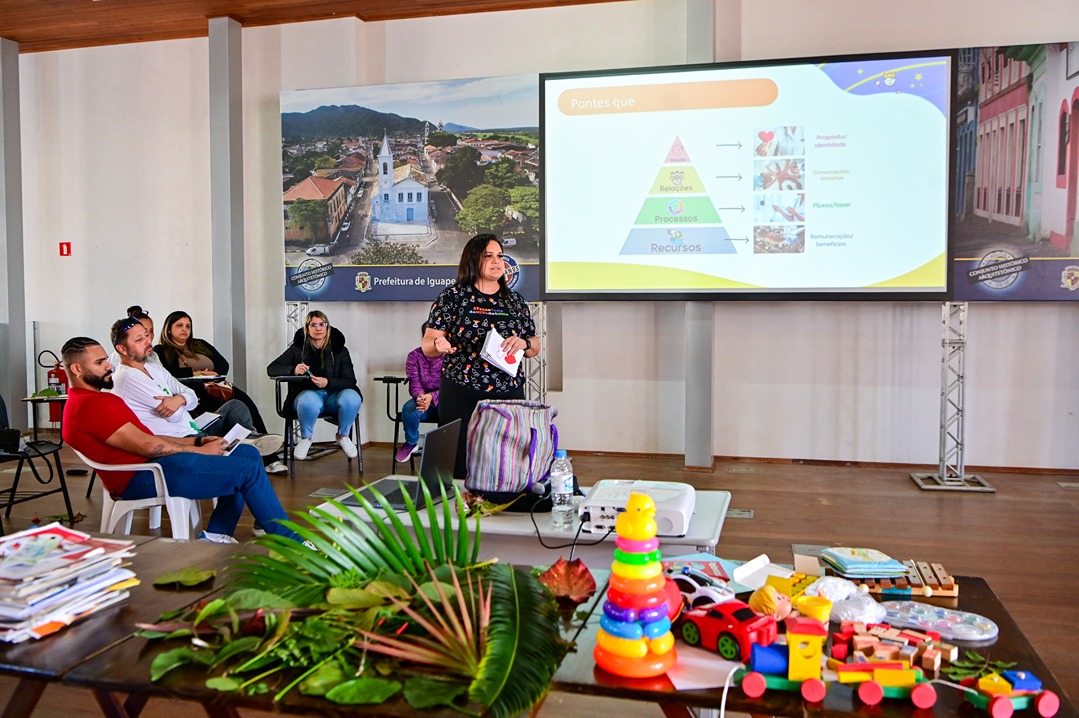
Pequeno Príncipe’s experience strengthens early childhood care in a municipality in São Paulo state
A project developed with the support of the Tecendo Infâncias Institute brought training to healthcare professionals in Iguape, expanding practices focused on child development and the humanized care of children and their families

When SUS (Brazilian Public Health System) coverage falls short, solidarity steps in
In 2025, Pequeno Príncipe Hospital allocated more than US$ 1.84 million to supplement the purchase of medications used in the treatment of patients covered by SUS. Many of these medications are either not covered or receive insufficient funding through the public healthcare system
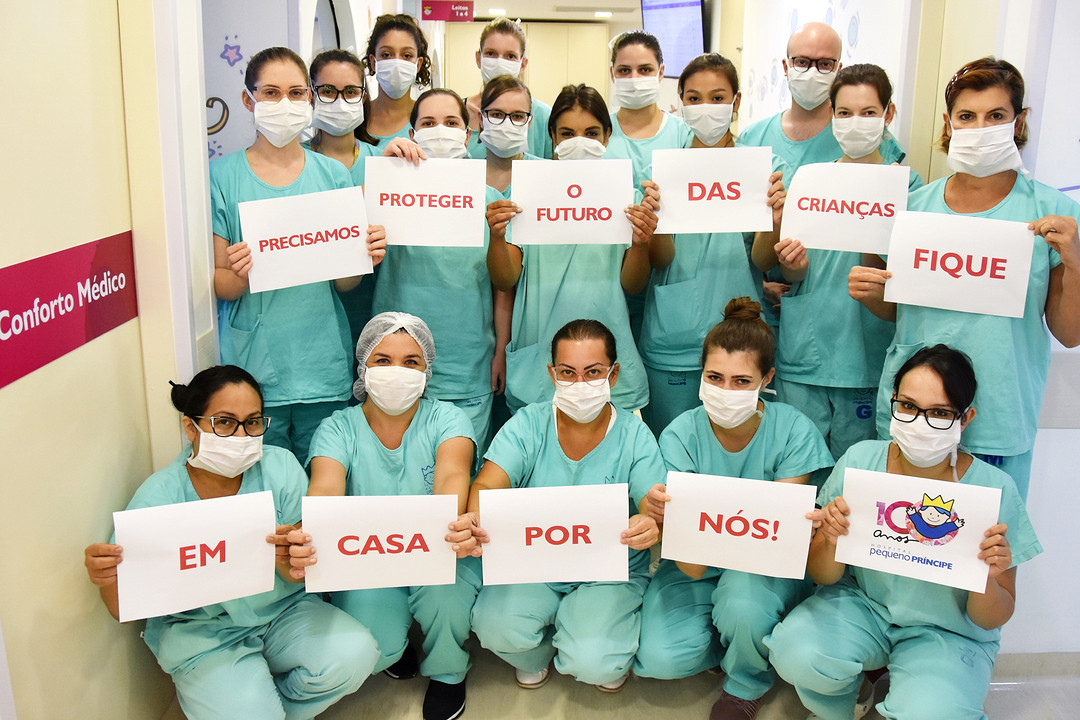
One Health: why human, animal, and environmental health are connected
At the Pequeno Príncipe Complex, this vision guides initiatives aimed at promoting health with a commitment to future generations
Donations funded 86% of the Hospital’s equipment investments in 2025
Support from donors made it possible to acquire from neonatal incubators and hemodialysis equipment to video systems for surgeries and high-precision diagnostic tests