
Construction of the Day Hospital marks the beginning of a new phase at the institution
The unit is part of the Pequeno Príncipe North project and will be dedicated to daytime care and elective surgeries
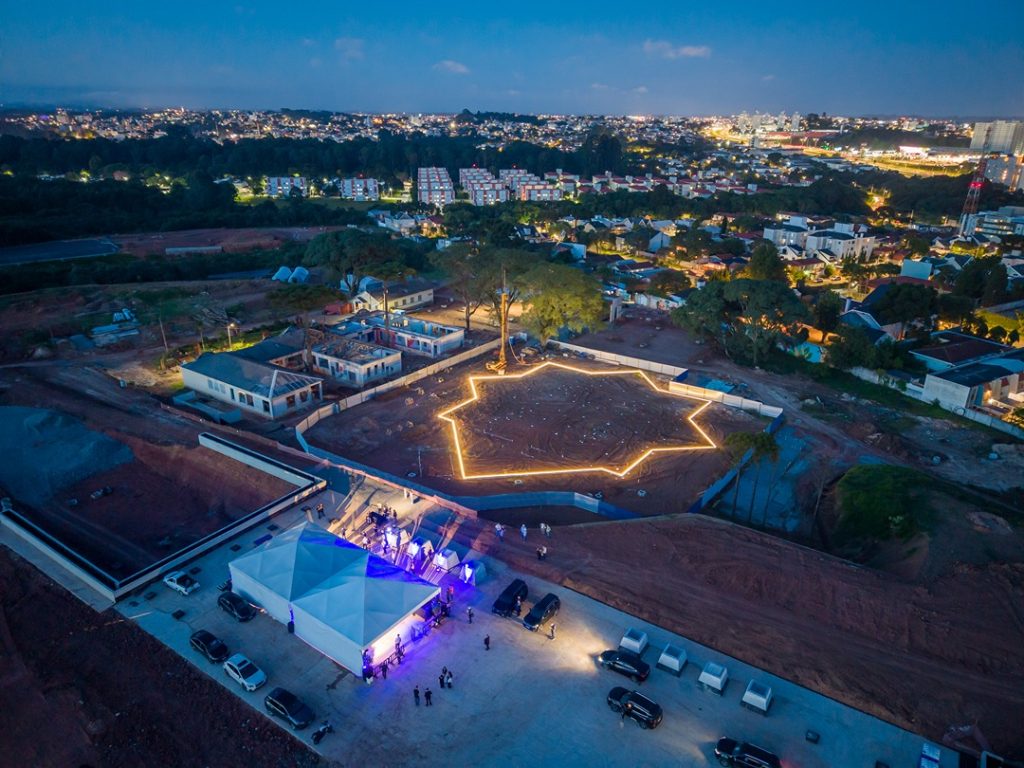
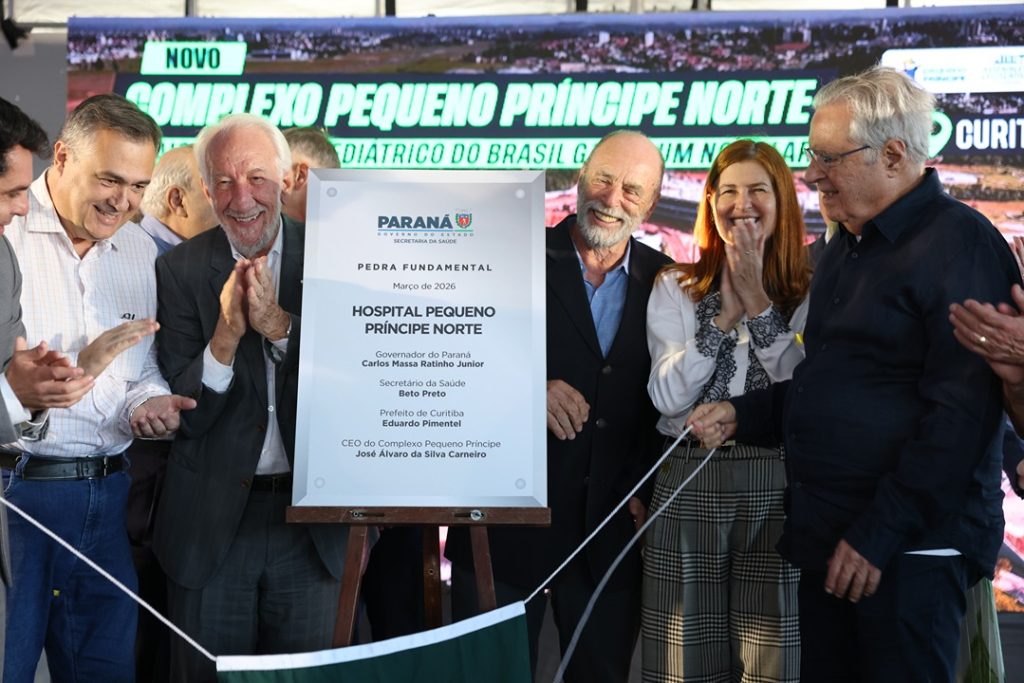
Pequeno Príncipe Hospital laid, last month, the cornerstone of the Pequeno Príncipe Day Hospital, starting the construction of the first unit of the Pequeno Príncipe North project, in the Bacacheri region, in Curitiba.
The structure will be focused on daytime care and elective surgeries, contributing to the organization of patient flow and the optimization of the Hospital’s capacity. The proposal is that procedures of lower complexity be performed in a dedicated space, allowing greater efficiency in the use of the current structure.
More efficiency in care
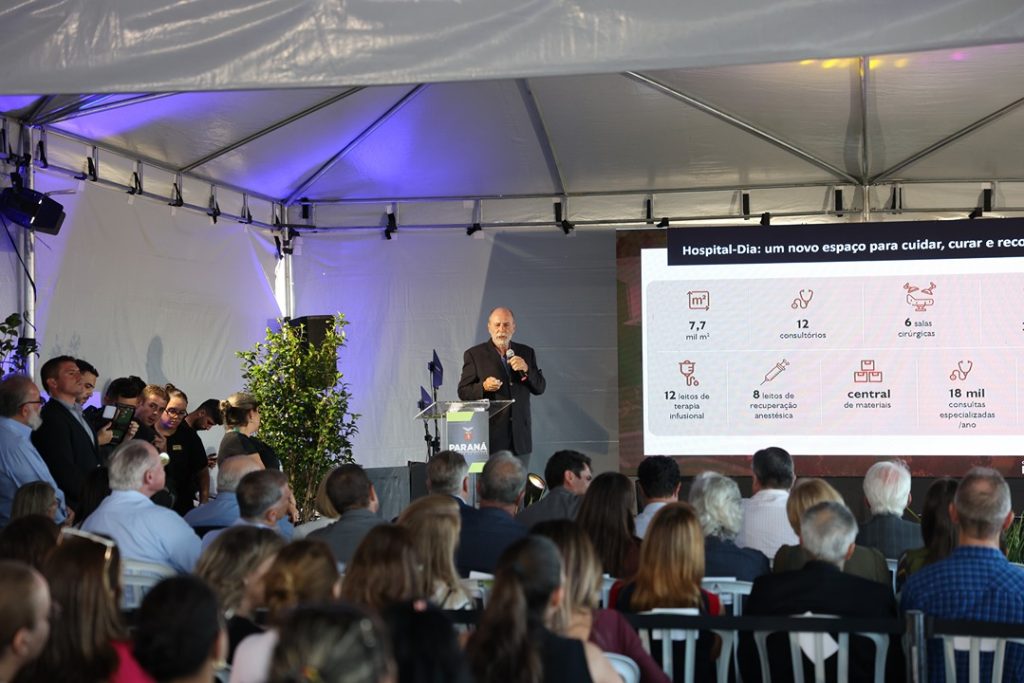
With approximately 7,700 square meters and three floors, the Day Hospital will include:
– 36 beds;
– six operating rooms;
– 12 infusion therapy beds;
– specialized consulting rooms and outpatient clinics.
In practice, the new unit will allow a better distribution of care, contributing to greater efficiency and effectiveness in the care provided to children and adolescents.
A project built in partnership
The construction of the Day Hospital brings together investments of approximately US$ 14 million, resulting from coordination between the public sector and the institution itself.
This cooperation model reinforces the importance of joint action to enable structuring projects in the healthcare area.
An integrated campus
The Day Hospital is the first delivery of Pequeno Príncipe North, a project that provides for the implementation, in phases, of a new campus with care, education, research, culture, and environmental preservation structures.
In addition to the unit under construction, new facilities are planned for the Pelé Pequeno Príncipe Research Institute and the Pequeno Príncipe College, a high-complexity hospital, a cultural center, and a botanical garden.
“Pequeno Príncipe North represents a strategic advance in our mission. We are expanding our capacity to provide care, education, and research, with a direct impact on the lives of thousands of families,” highlights José Álvaro da Silva Carneiro, corporate director of Pequeno Príncipe Complex.
Growth with responsibility
The implementation of the new campus also incorporates sustainability and environmental preservation practices, with recovery of green areas, monitoring of native vegetation and reuse of construction waste.
How to support the structuring of the Day Hospital
For the new unit to come into operation, the support of society continues to be essential. The Project Space Ready for the Health of Children and Adolescents is open to the participation of companies and social investors for support through the allocation of Income Tax, and aims to enable the acquisition of furniture and essential equipment for the Day Hospital.
By contributing, partners help transform the Day Hospital physical structure into effective care for children and adolescents.
To learn how to support, please contact our teams. In Curitiba, call to +55 (41) 2108-3874. In São Paulo, contact us by +55 (11) 2050-8850.
See more
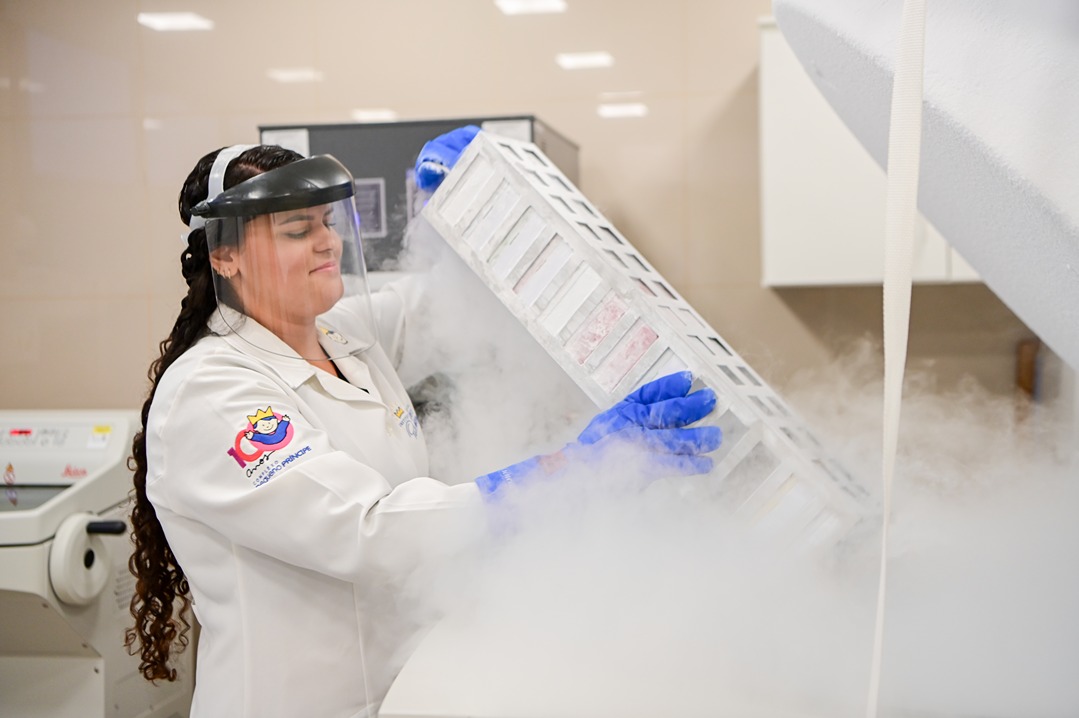
Pequeno Príncipe Biobank drives unprecedented discovery on neuroblastoma
Samples stored at the institution enabled international research that revealed how the tumor protects itself, opening paths for new treatments
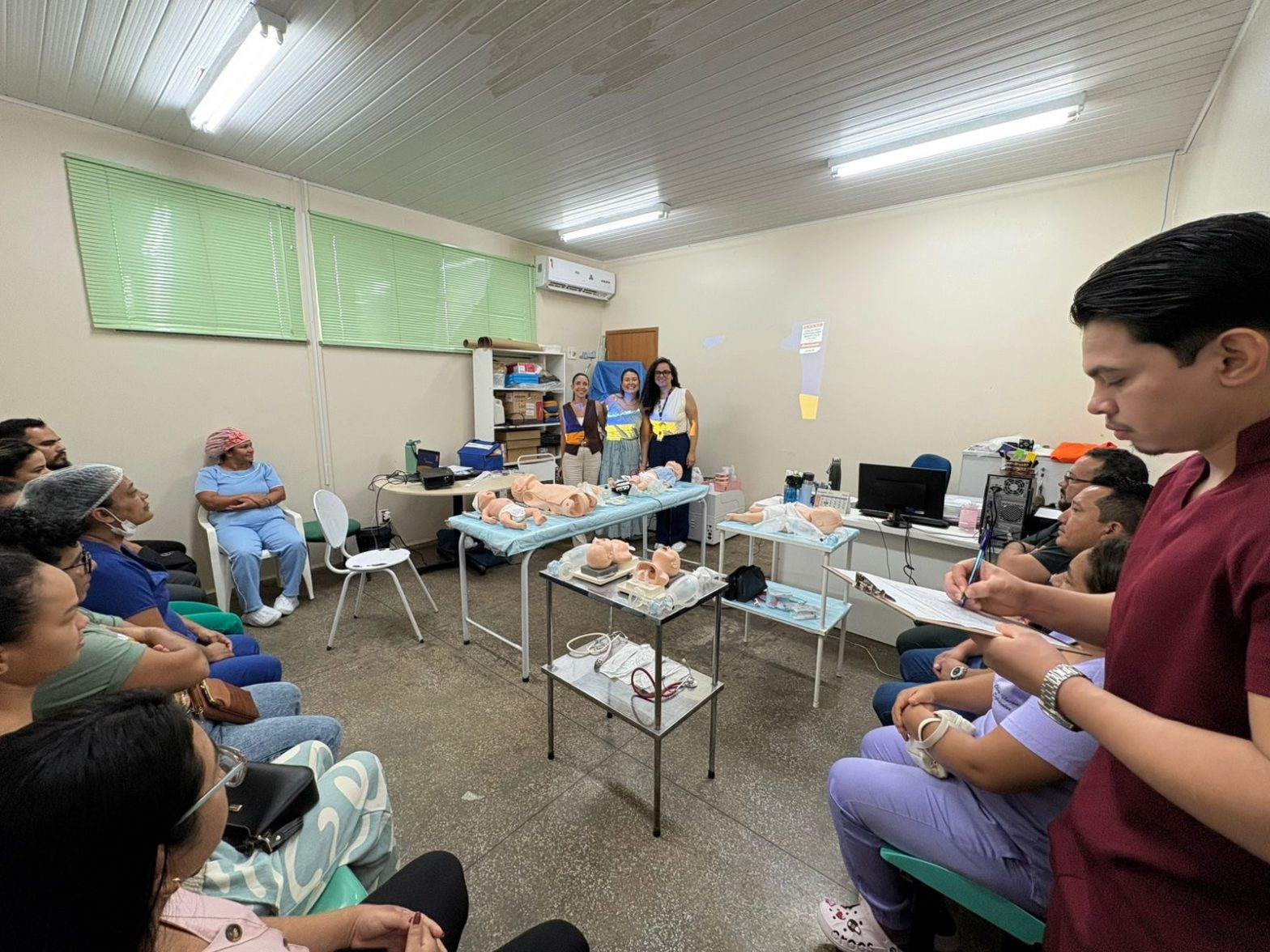
Pequeno Príncipe brings specialized care to children in the Amazon
Telemedicine overcomes distances and strengthens care in Manicoré (Amazonas state), one of the most challenging regions in the country

Study identifies autism in 38% of children with spinal muscular atrophy type 1
The finding greatly exceeds the prevalence observed in the general population and suggests that the disorder may be underdiagnosed in this group
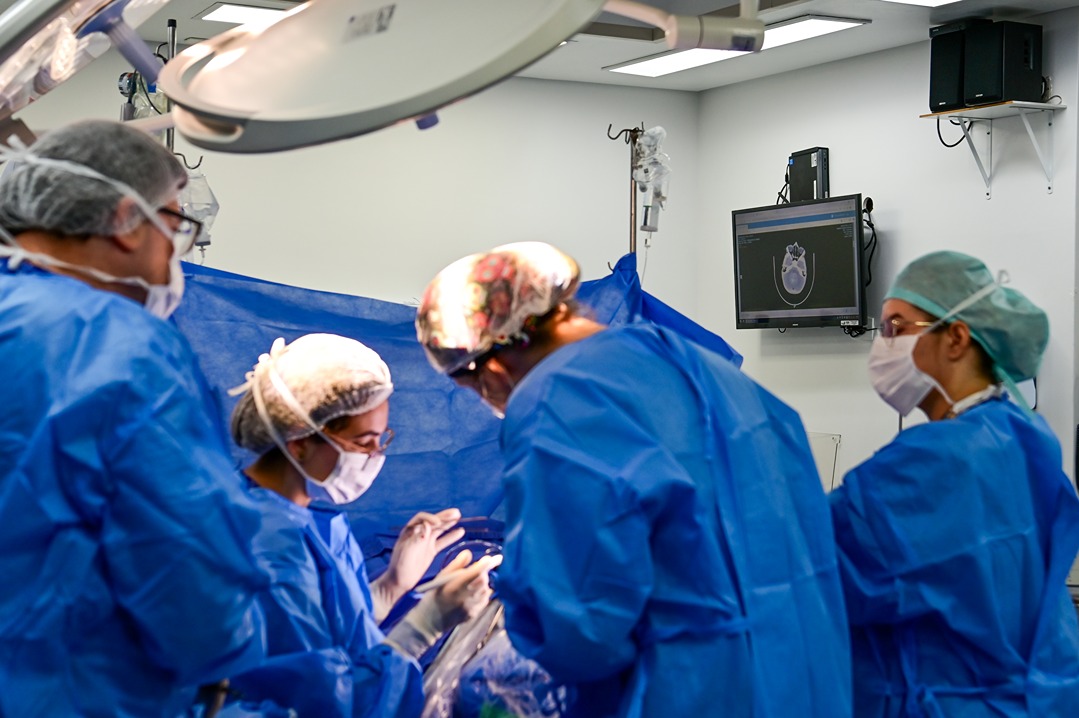
Social investments drive digital transformation at Pequeno Príncipe
Project supported by society is modernizing systems, strengthening data security, and improving care for children and adolescents
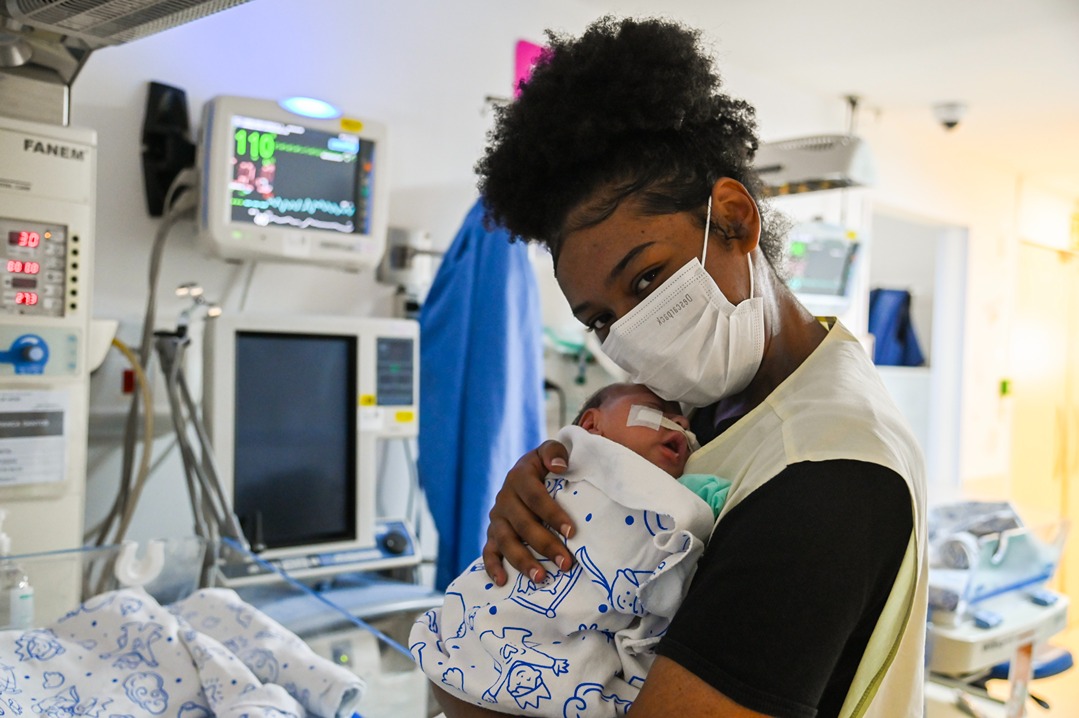
More than 60% of families of children hospitalized at Pequeno Príncipe live on up to two minimum wages
Study reveals high unemployment among caregivers and shows that 60% of hospital admissions are provided through Brazil’s Public Health System (SUS)