

Study by the Pelé Pequeno Príncipe Research Institute evaluates unprecedented combination of natural compounds against intestinal inflammation
Project with international partnership focuses on prebiotic substances to modulate the microbiota and reduce inflammatory processes
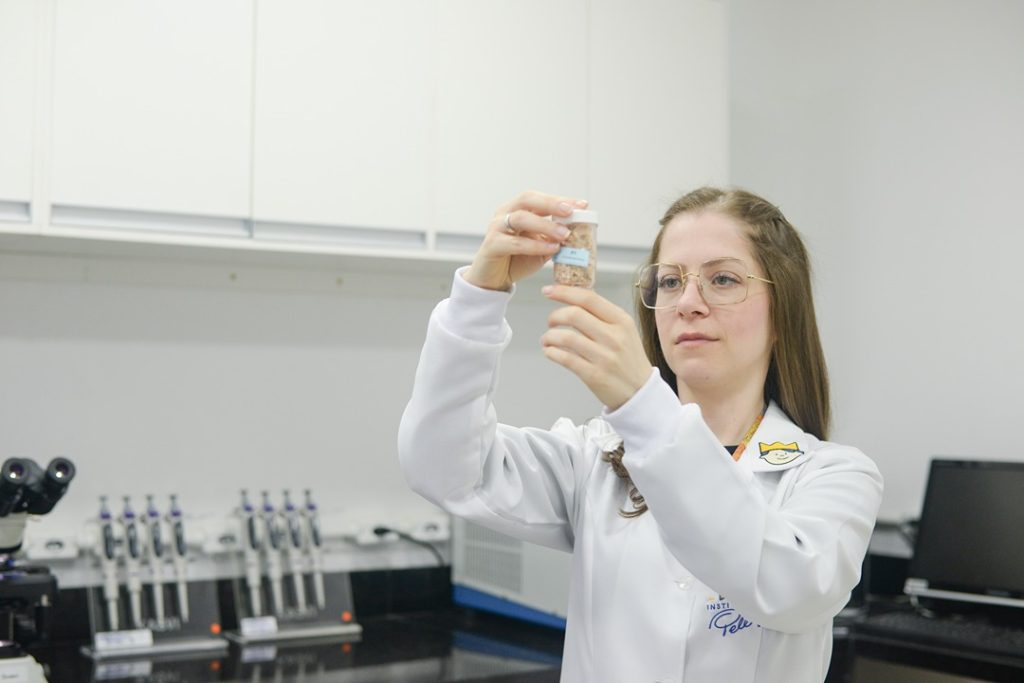
A new project led by researcher Daniele Maria Ferreira, from the Pelé Pequeno Príncipe Research Institute (IPP, abbreviation in Portuguese) and Pequeno Príncipe College (FPP, also in Portuguese), promises to broaden the frontiers of knowledge about the role of gut microbiota in health. Launched in February 2025, the study was selected by the Conhecimento Brasil call by the CNPq/MCTI/FNDCT (Brazilian National Council for Scientific and Technological Development), which supports several collaborations between Brazilian scientists and top international institutions.
The research investigates the combined action of natural compounds with prebiotic effects — substances capable of stimulating the growth of beneficial microorganisms in the intestine — on intestinal inflammation. “We aim to understand whether the combination of these compounds can be more effective than isolated use, especially in modulating microbiota and reducing inflammation,” explains Daniele, who is a professor in the Graduate Program in Biotechnology Applied to Child and Adolescent Health at FPP and IPP.
Inflammatory bowel diseases, such as ulcerative colitis, affect thousands of people in Brazil and worldwide. These are chronic conditions that compromise quality of life and challenge health systems. In recent years, science has shown that balanced gut microbiota is a key factor in preventing and treating these diseases — and it is precisely in this area that the project innovates, using natural compounds with anti-inflammatory and modulatory potential.
Science without borders
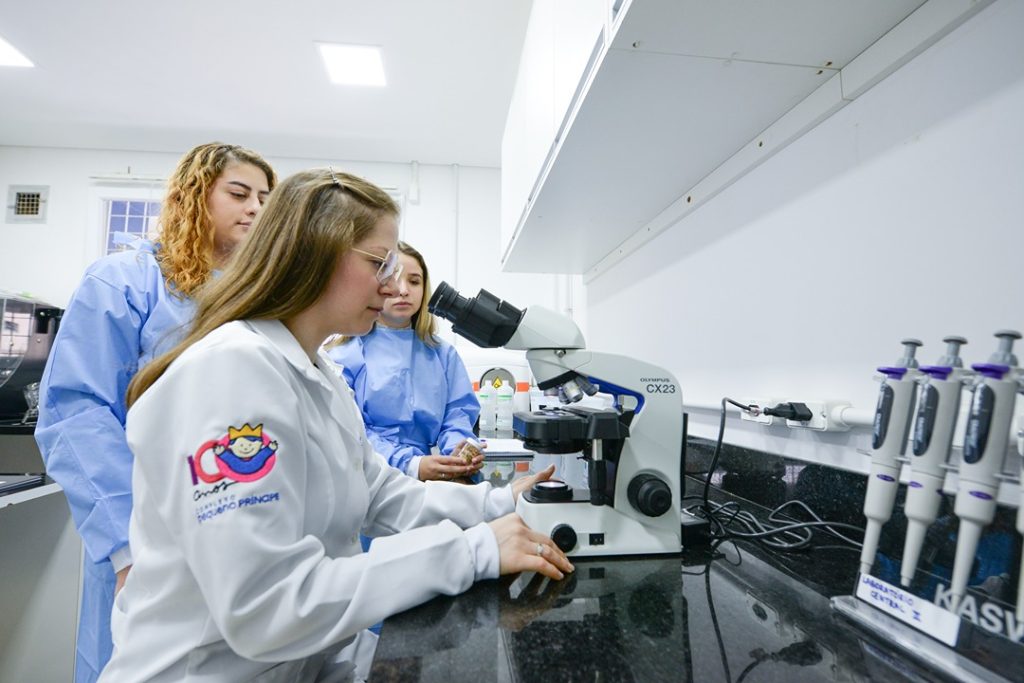
The research involves collaboration with scientist Thaisa Moro Cantu-Jungles, from Purdue University (United States), a specialist in food sciences and gut microbiota. For Daniele, the partnership represents more than a scientific exchange. “This international cooperation strengthens the quality of the project and consolidates collaborative networks between Brazil and leading research centers abroad,” she stresses.
The project also brings together a multidisciplinary team of researchers from different Brazilian institutions and areas of expertise, such as biotechnology, pharmacology, immunology, and natural products chemistry. Alongside Daniele and Thaisa, participants include Fhernanda Ribeiro Smiderle, Lauro Mera de Souza, and Cleber Machado de Souza (IPP); Marcelo Biondaro Góis (Federal University of Rondonópolis); Andersson Barison (Federal University of Paraná); and Lucas Antonio Duarte Nicolau (Federal University of Delta do Parnaíba).
“The creation of this network is a direct result of the consolidation of our Graduate Program in Biotechnology Applied to Child and Adolescent Health. This type of initiative expands the reach of the science we produce here and reaffirms the Pelé Pequeno Príncipe Research Institute’s role as a national hub of scientific innovation in health,” highlights Daniele.
Outlook and impact
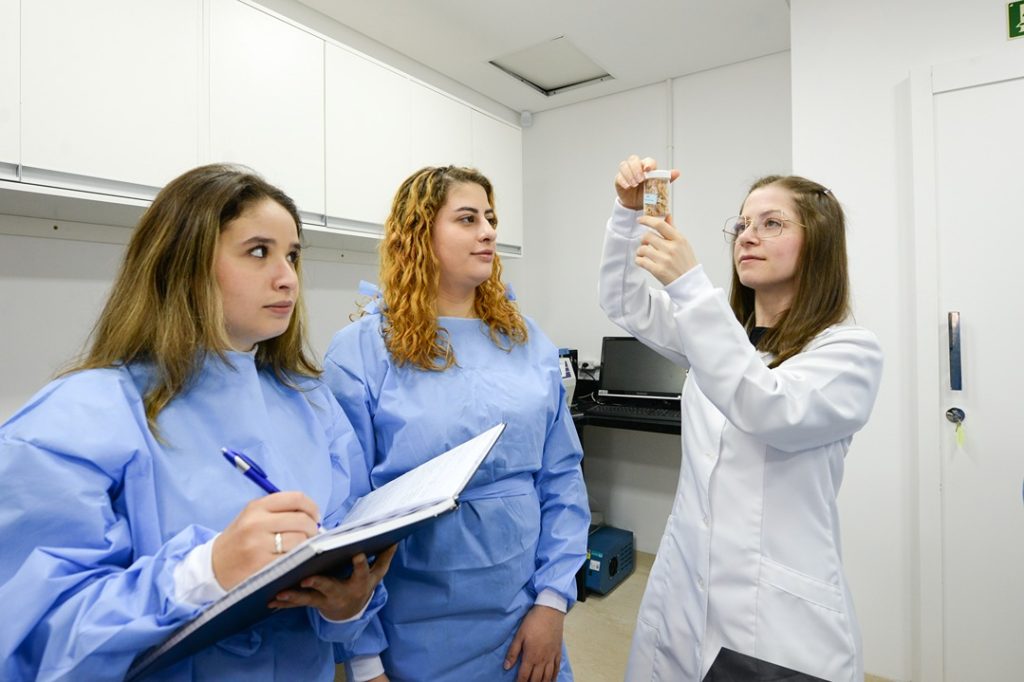
The experimental studies will continue until January 2027 and involve advanced techniques of chemical characterization, microbiota analysis, and evaluation of metabolites produced in the intestine. The results may pave the way for developing new natural, safe, and accessible therapies for patients with ulcerative colitis and other inflammatory bowel diseases.
“The intestine is a central organ for human health. Understanding how natural compounds interact with the microbiota allows us to seek for more sustainable and innovative therapeutic alternatives,” explains the researcher.
With this initiative, IPP and FPP reaffirm their commitment to high-impact, socially oriented science focused on promoting health and producing transformative knowledge. “This project represents an important step in the search for solutions based on biotechnology and international scientific collaboration — showcasing the power of Brazilian research to generate global impact,” concludes Daniele.