

Pequeno Príncipe is the first exclusively pediatric hospital in Brazil accredited in palliative care by the SUS (Public Health System)
Recognition by the Ministry of Health reinforces the institution’s leadership in the comprehensive and humanized care of children with complex chronic illnesses
Pequeno Príncipe Hospital has just achieved another milestone in its history of leadership in child and adolescent health: it was among the first 14 Brazilian institutions accredited by the Ministry of Health to form palliative care teams in the Public Health System (known as SUS) — and the only one dedicated exclusively to the pediatric public. The accreditation, formalized by Ordinance GM/MS No. 8,032, of August 29, 2025, is part of the implementation of the National Palliative Care Policy and provides for a federal investment of US$ 1.64 million across the country.
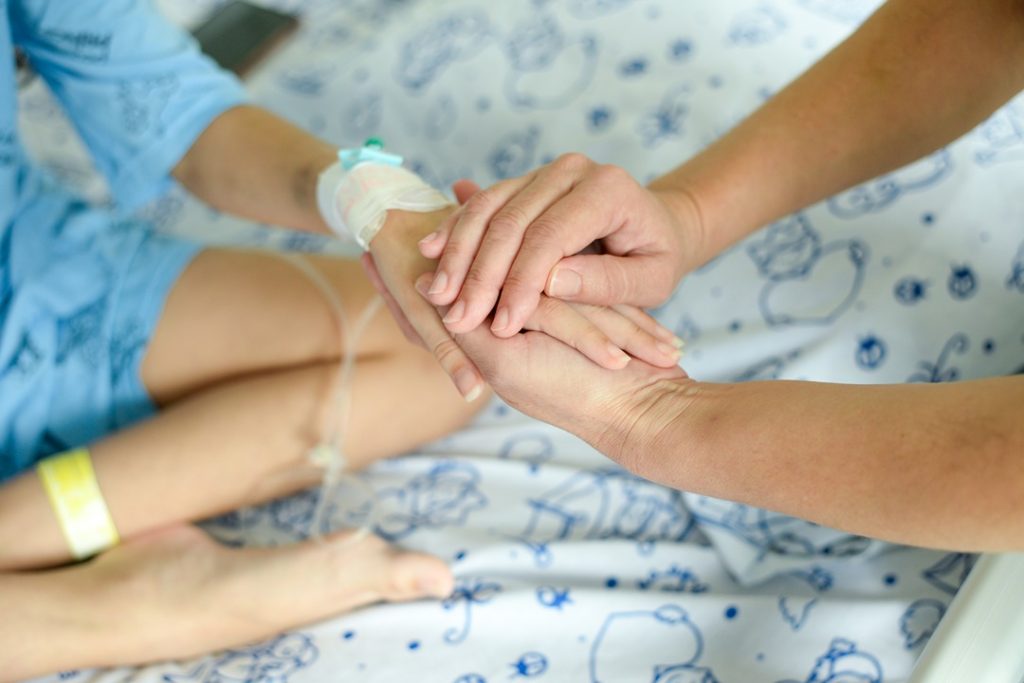
The measure marks the beginning of a new phase for the care of children and adolescents with complex chronic illnesses and terminal conditions, offering multiprofessional attention and continuous support to patients and families. “Being among the first teams recognized by the Ministry of Health is a source of joy and responsibility. It is the recognition of Pequeno Príncipe’s pioneering role and of the importance of including pediatric patients in this national scenario,” says Fábio de Araújo Motta, deputy technical director of Quality and Clinical Research at the Hospital.
Comprehensive care focused on quality of life
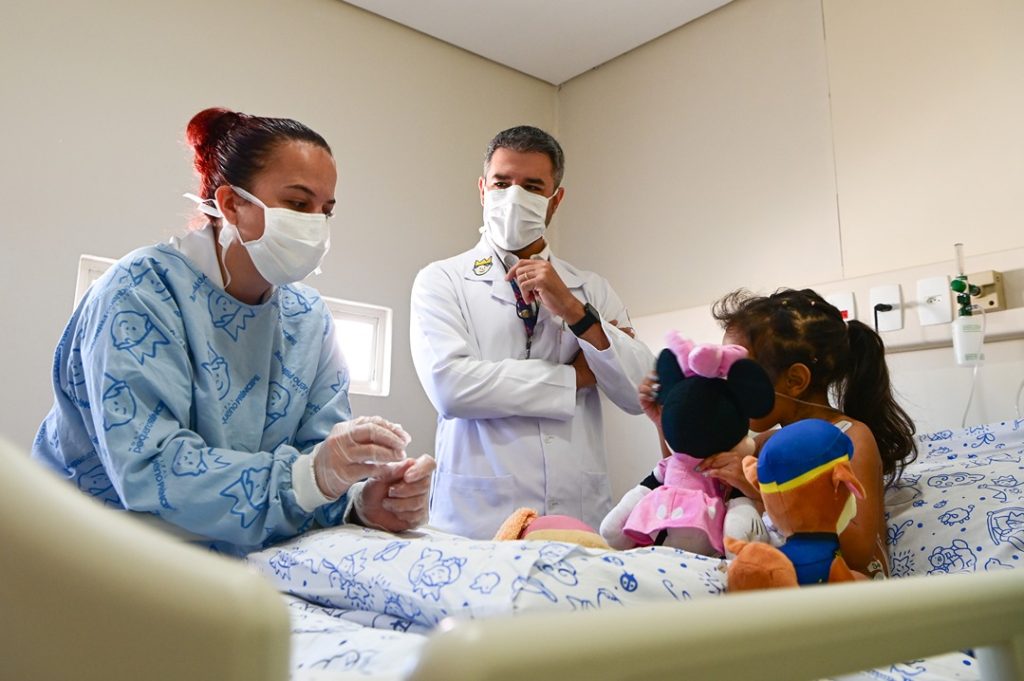
With this accreditation, Pequeno Príncipe will receive specific resources to structure a new exclusive team for palliative care, made up of a palliative care physician, a nurse navigator, a psychologist, a social worker, and nursing technicians. The group will be responsible for creating the first line of care aimed at patients in advanced stages of illness, organizing care pathways, and strengthening patient-centered assistance.
“For the first time, we will have a team dedicated to this population. This will allow us to organize care more effectively, promote greater comfort, and provide emotional and social support to patients and families in a moment of great vulnerability,” explains the physician.
According to him, the new structure will also represent progress in the training of professionals. The Hospital plans to train multiprofessional teams to deal with the new epidemiological profile of pediatrics, characterized by the increase in children who live for long periods with severe illnesses and depend on continuous care. “Training pediatricians and professionals from different areas to see the patient as a whole is essential for the future of children’s health in the country,” he adds.
Leadership and innovation in Brazilian pediatrics
The selection process involved hundreds of proposals from all over Brazil. Pequeno Príncipe Hospital stood out for the consistency of its project and its track record of excellence in pediatric care, teaching, and research. “We believe that our leadership and the strength of the project we submitted to the Ministry were key factors. We are the only pediatric hospital accredited among the first 14 teams, which reinforces our mission to represent children in this important national agenda,” emphasizes Motta.
The city of Curitiba, where Pequeno Príncipe is located, had ten of the first 14 accredited teams, including five hospitals and five emergency care units, which will allow for the creation of a regional network of reference and learning.
National progress in public policy
The Brazilian National Palliative Care Policy, launched this year, allocates resources to structure over a thousand teams across the country, both care-based and advisory. The initiative foresees the progressive expansion of this type of care, which seeks to alleviate the physical, emotional, social, and spiritual suffering of people with life-threatening illnesses, of all ages.
For Pequeno Príncipe, participating in this initial phase is a way to reaffirm its commitment to humanized, safe, and life-centered care. “The challenges will be great, but the impact will be immense. We are very excited about the possibility of offering our children care that is even more compassionate and transformative,” concludes the physician.