

Childhood cannot be hostage to algorithms
The approval of Brazilian Bill 2628 is a milestone in the digital protection of children and adolescents — and Pequeno Príncipe Hospital is already active in this movement
Brazil has just taken a historic step in the protection of childhood. The approval of Bill 2628/2022 opens a new chapter in the defense of children and adolescents in the digital environment — a space increasingly present in the lives of Brazilians, but still marked by regulatory gaps.
Just as the Brazilian Child and Adolescent Statute (known as ECA), more than 30 years ago, inaugurated a new way of seeing boys and girls as citizens with rights, Bill 2628 updates this vision for one of the greatest contemporary challenges: social networks and digital consumption.
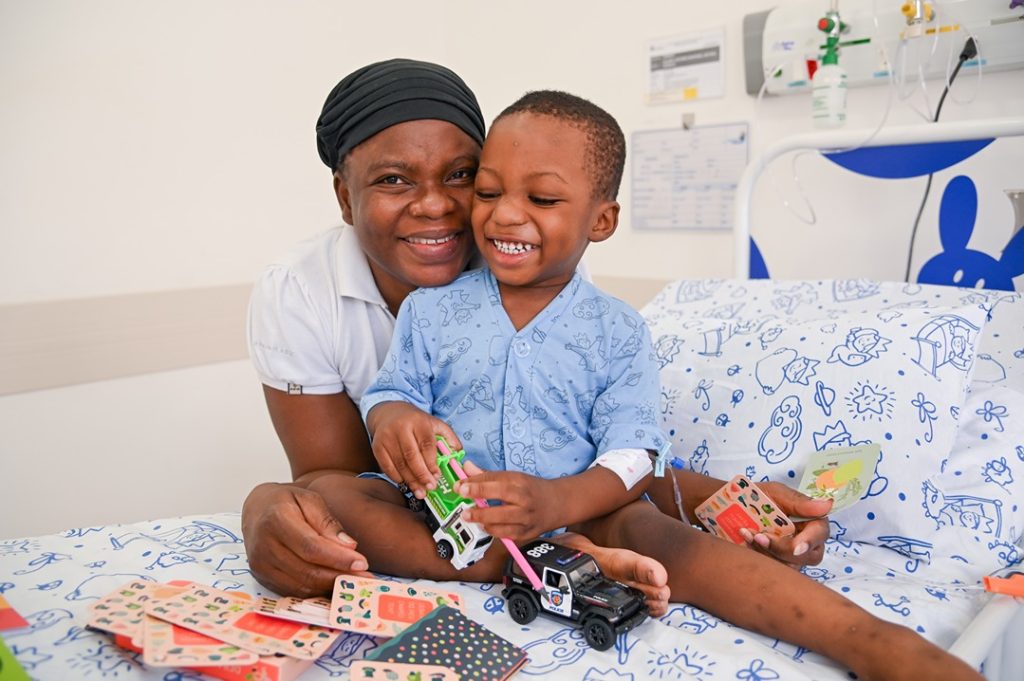
“By recognizing that children and adolescents need special attention in the digital environment, Brazil takes an important civilizational step. As occurred with the ECA, the law will only fulfill its role if accompanied by social engagement, political mobilization, and governmental commitment,” emphasizes Ety Cristina Forte Carneiro, executive director of Pequeno Príncipe Hospital.
Shared responsibility
The new law establishes that digital platforms will have to adopt specific measures to protect the child and adolescent public, signaling that healthy development cannot be subjected to the logic of profit. But its effectiveness depends on the participation of the whole society:
• digital platforms: technical and ethical requirements;
• State: regulation, supervision, and sanctions;
• families: education, supervision, and dialogue;
• schools and civil society: educational practices;
• population: pressure and engagement.
The warning is urgent: 93% of Brazilian children and adolescents are connected to the internet, and 98% access it mainly by cell phone.
Pequeno Príncipe’s commitment
At Pequeno Príncipe Hospital, concern with the impacts of the digital environment is already translated into concrete actions. In Early Childhood (0 to 6 years), educational programs encourage families to prioritize play, reading, and emotional bonds instead of early exposure to screens.
“We show that growing up healthily depends on real bonds, not just digital mediations. That is why our teachers, volunteers, artists, and health professionals offer creative and experiential alternatives to the passive consumption of virtual content,” highlights Ety.
Since 2016, the Pra Toda Vida Campaign (For Life Campaign) has also mobilized families, professionals, and influencers around the cause, with booklets, books, and communication pieces.
After the visibility brought to the theme by Brazilian youtuber and influencer Felipe Bressanim Pereira, known as Felca, the Hospital produced explanatory content for families on the topic. The video Adultization: when childhood is interrupted warns about the risks of exposing children to content and pressures from the adult world and can be watched on Pequeno Príncipe’s YouTube channel (content available only in Portuguese).
Philanthropy as a strategic ally
The Hospital also acts in rights councils, contributes with policy proposals, and supports training for child protection counselors. In this scenario, philanthropy becomes essential, allowing the expansion of educational campaigns, strengthening awareness, and creating protection networks.
“This is a cause we need to assume collectively, starting by not reproducing harmful content, denouncing abuse, and engaging in the construction of a digital environment that contributes, in fact, to human development,” reinforces the executive director.
More than a law, a social movement
Brazilian Bill 2628 does not end the debate about digital risks — on the contrary, it opens doors to a cultural transformation. The future of the next generations demands this: a safer, more responsible internet, capable of expanding possibilities for healthier lives.