

Pequeno Príncipe Biobank preserves 30,000 samples and drives advances in pediatric research
First in Paraná state dedicated to scientific research, the collection is a national and international reference in the search for innovative diagnostics and therapies
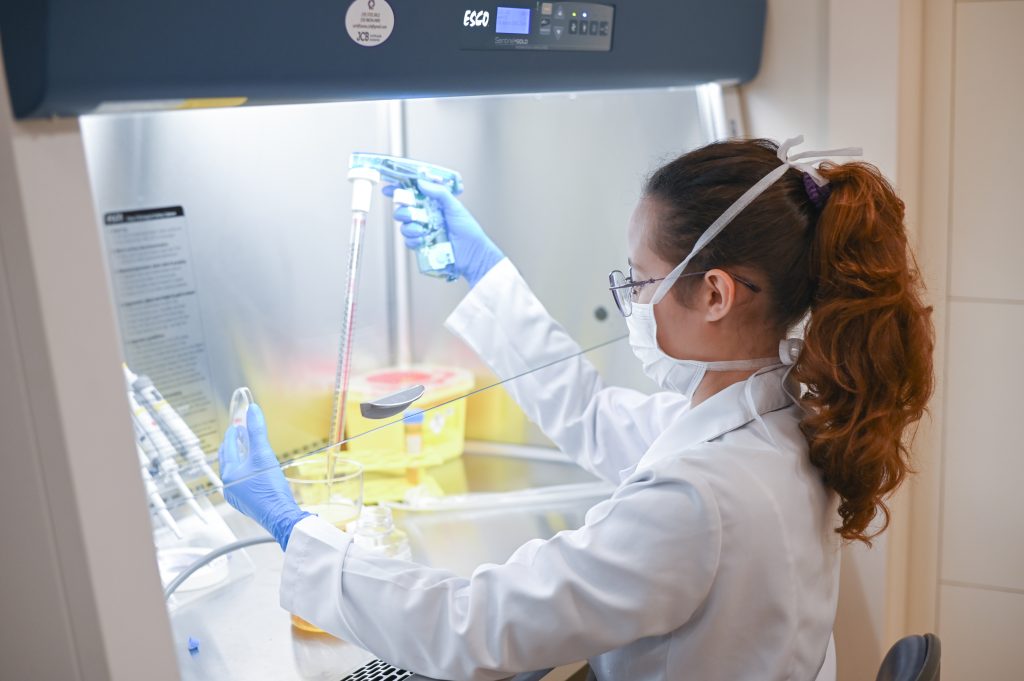
The Biobank of the Pelé Pequeno Príncipe Research Institute, the first in Paraná state dedicated to research, today houses a strategic collection for pediatric science: about 2,700 participants and 30,000 human samples, preserved with quality protocols, traceability, and ethical access. This infrastructure connects the Hospital’s clinical practice to the Institute’s knowledge production, fueling research that improves diagnosis and drives innovative therapies for boys and girls.
Created in 2016, the Biobank was born from a partnership with the St. Jude Comprehensive Cancer Center in the United States. The facility was conceived and is directed by scientist Bonald Cavalcante de Figueiredo, the Institute’s scientific director. The objective is to collect, store, and distribute normal and pathological biological samples, from participants of all ages, to support research in areas that concentrate major challenges of pediatric medicine, such as childhood cancer and rare diseases.
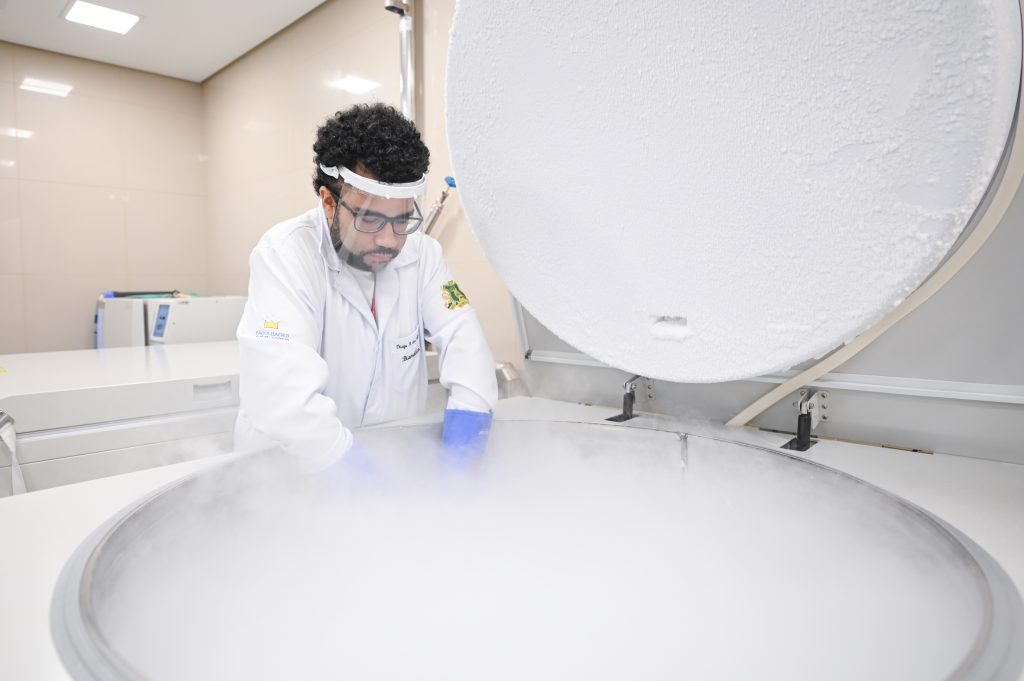
From the operating room to the laboratory with total control
With capacity for up to 230,000 samples, the Biobank has a laboratory, cell culture room, storage area with liquid nitrogen tanks and ultrafreezers, as well as a Clean Room for cell therapy. Everything is monitored 24 hours a day. Collections are carried out in the operating rooms and wards of Pequeno Príncipe Hospital, Erasto Gaertner Hospital, and Erastinho Hospital, always with free and informed consent. To ensure quality, preservation of biomolecules such as DNA, RNA, and proteins occurs immediately after surgery, following standardized protocols.
Access to material is carefully controlled. All samples receive codes and are tracked by a computerized system, being available only to researchers with ethical approval and a formalized partnership.
According to Biobank coordinator Heloisa Komechen, the difference from a biorepository lies in institutional management. “The Biobank can share samples among different groups, use them in multiple projects, and preserve them for future research, with no need for disposal at the end of a study,” she explains.
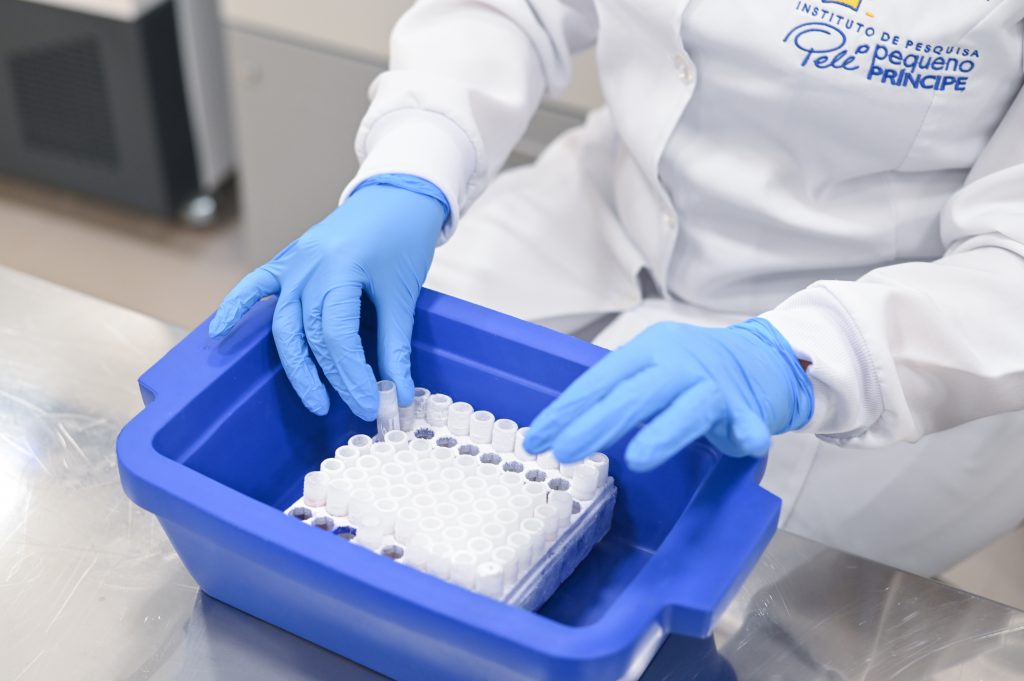
Building this structure was not simple. Between 2015 and 2017, the project received financial support from companies and individuals who support the institution in various ways, including through the Pequeno Príncipe Gala event. Since 2018, resources from the National Program to Support Oncology Care (Pronon, in Portuguese) have enabled the acquisition of equipment and the setup of the Clean Room, essential for cell therapy work.
Scientific impact that reaches real life
The scientific impact is significant. The Biobank supports research on rare pediatric tumors — such as adrenal cortex, neuroblastoma, central nervous system, and sarcomas — but has also contributed to studies on autism spectrum disorder and to the development of the first therapeutic vaccine underway at the Institute, among many others.
The rarity of pediatric samples makes the collection vital for studies to be representative and to have real impact in the development of new diagnostic and therapeutic tools.
For the future, the goal is to expand the collection, strengthen partnerships in Brazil and abroad, and create sustainability models to ensure the continuity of this work, since at the Pequeno Príncipe Biobank each sample is more than a scientific record: it is a concrete chance to change the life of a child.