

Research Institute director joins international editorial board on immunity
Carolina Prando is the only Brazilian on the editorial board of the “Journal of Human Immunity”, based in New York (USA)
The physician Carolina Prando, director of Translational Medicine at the Pelé Pequeno Príncipe Research Institute (known as IPP), has joined the editorial board of the Journal of Human Immunity (JHI) — a prestigious international scientific journal dedicated to the study of human immunity and inborn errors of immunity, a group of conditions affecting the immune system from birth. Carolina is the only Brazilian to serve on the board and will represent the Latin American Society for Immunodeficiencies (LASID).
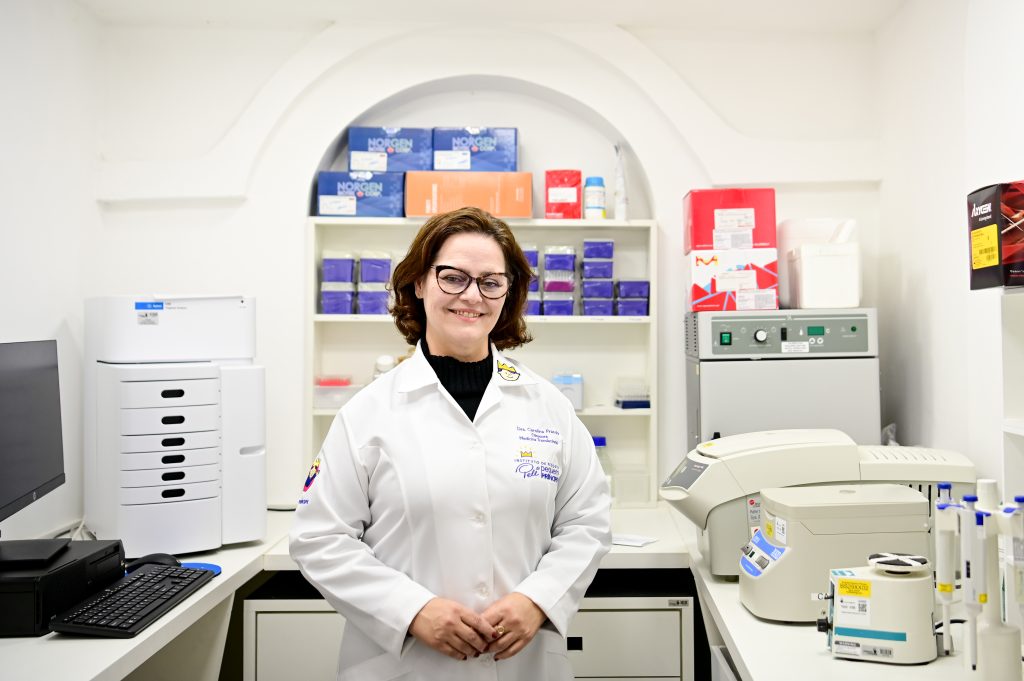
Published by Rockefeller University Press and based in New York, the Journal of Human Immunity is produced in partnership with the International Alliance for Primary Immunodeficiency Societies (IAPIDS), which unites scientific societies around the world. Editorial appointments are made by the journal’s editor-in-chief, Jean-Laurent Casanova, based on nominations from representatives of these societies. As a “society editor,” Carolina will act as a liaison between the journal and regional scientific communities.
“Being part of the editorial board of a journal of this caliber is both an opportunity to contribute to the advancement of global science and to expand the visibility of the work developed at IPP in Curitiba,” she says. “This participation helps establish the Institute as a reference in immunology, opens the door to new partnerships, and allows knowledge generated here to reach other countries.”
Among her duties, Carolina will help review manuscripts, contribute to the selection of themes for special issues, and promote the journal among Latin American researchers. She highlights the journal’s open-access model as one of its key strengths, removing financial barriers to knowledge and fostering scientific development, especially in low- and middle-income countries.
Carolina explains that her research experience in Brazil brings a unique perspective on Latin America’s genetic, epidemiological, and socioeconomic realities. “These specificities are often underrepresented in scientific literature. Sharing this perspective helps make the JHI more inclusive and relevant across different contexts.”
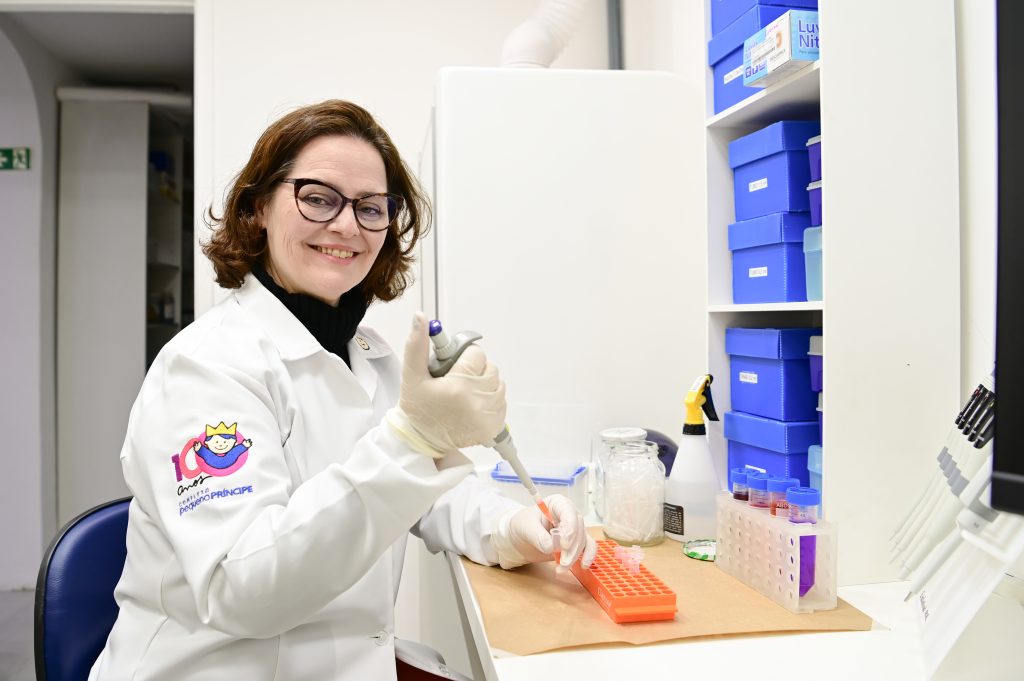
Focusing on a highly specialized area of immunology, the Journal of Human Immunity distinguishes itself by combining genetics, clinical immunology, and translational research in its editorial scope. It also maintains a strong commitment to international collaboration and the practical impact of scientific discoveries on patient lives.
Another key aspect of the Journal of Human Immunity is its commitment to equity in scientific publishing. Article processing charges (APCs) are automatically waived for corresponding authors from institutions with read-and-publish agreements with Rockefeller University Press and for those from low- or middle-income countries. In addition, the journal ensures that inability to pay will not prevent publication. In cases of financial hardship or specific funder requirements, authors may contact the editorial team to explore alternatives and ensure the dissemination of their work.
According to Carolina Prando, taking on this new role is both a challenge and an opportunity: “It’s essential to maintain scientific rigor while navigating the cultural and scientific diversity of authors. At the same time, it’s a chance to help shape global knowledge and promote findings that can transform clinical practice and save lives.” Carolina is also a professor in the Master’s and Doctoral Program in Biotechnology Applied to Child and Adolescent Health at Pequeno Príncipe College (known as FPP), in partnership with IPP.
With this appointment, the Pelé Pequeno Príncipe Research Institute further strengthens its presence on the global stage of science and medicine, contributing to the development of a more inclusive, accessible, and more context-aware immunology.