

Pequeno Príncipe becomes the first healthcare institution in Brazil to acquire biodiversity credits
In partnership with SPVS, this 100% Brazilian project reinforces the link between health, biodiversity conservation, and business
In a pioneering move in Brazil, the Pequeno Príncipe Complex — an international reference in child and adolescent’s health and socio-environmental responsibility — has become the country’s first healthcare institution to acquire biodiversity credits. With this initiative, the philanthropic organization positions itself as a leader in promoting this new and strategic market for nature conservation within national territory. The initial acquisition covers one-third of the institution’s estimated credit needs: 5,000 units were purchased, with an investment of US$ 15,000.
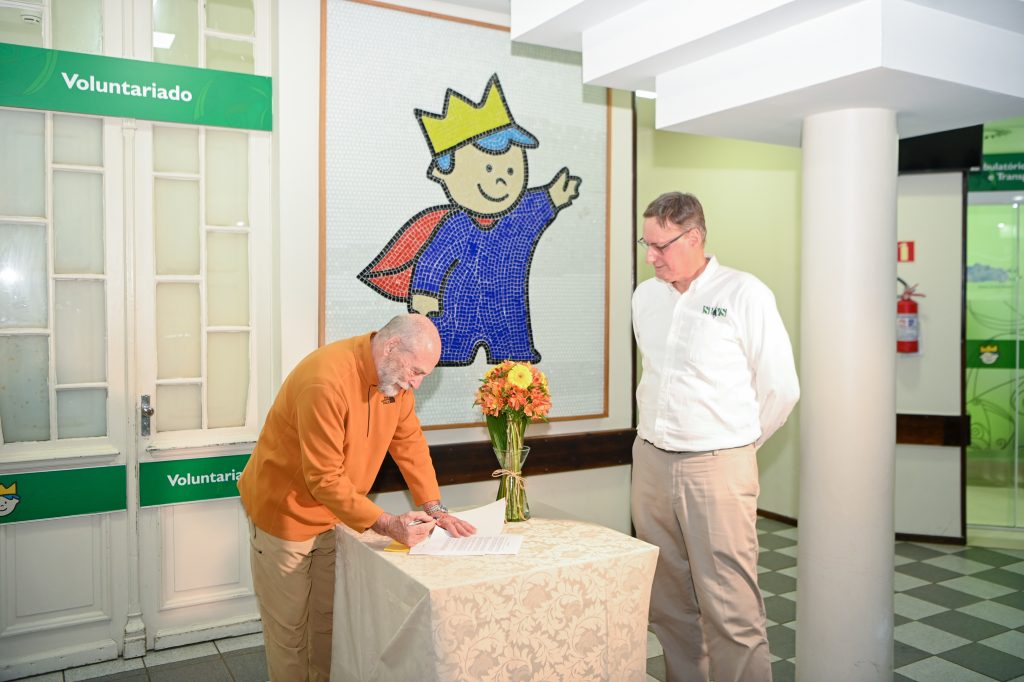
The transaction was made with the Society for Wildlife Research and Environmental Education (SPVS, abbreviation in Portuguese), an organization with 40 years of experience in protecting Atlantic Forest biodiversity. The credits originate from a portion of the 19,000 hectares SPVS maintains as private nature reserves along the northern coast of Paraná, in the heart of the Atlantic Forest Great Reserve.
“Being the first pediatric hospital in the world to seek for biodiversity credits shows the forward-looking mindset of our institution. Environmental issues are deeply embedded in our operations — through our students at the Pequeno Príncipe College, in the research conducted at the Pelé Pequeno Príncipe Research Institute, and across Pequeno Príncipe Hospital management,” highlights José Álvaro da Silva Carneiro, corporate director of the Pequeno Príncipe Complex.
Carneiro also emphasizes that the institution’s mission is to promote health with excellence and responsibility. “We know that treating illness is not enough — we must care for the environment in which our children will grow and live. By investing in biodiversity credits, we reaffirm that health and nature are deeply connected. Protecting biodiversity means protecting life in its fullness, with an eye toward future generations.”

What are biodiversity credits?
The term, still relatively new in Brazil, emerged from the Global Biodiversity Framework established at COP15 in Montreal, in 2022. Based on recognized methodologies and metrics — such as those developed by the LIFE Institute —, biodiversity credits represent real and measurable conservation gains generated through actions that protect ecosystems, restore degraded areas, and maintain essential environmental services.
According to SPVS technician Natasha Choinski, who oversees the LIFE Certification processes, credits are generated based on field analyses and technical parameters that assess the ecological importance of each area and the quality of implemented environmental management actions over short and long terms.
The generation of credits considers factors like area size and location, ecological importance, role in maintaining ecosystem services, vulnerability, and management quality. Additionally, results are monitored over time, including impacts on local communities, species populations, and genetic and structural characteristics of the landscape.

A commitment that goes beyond the compensation
The Pequeno Príncipe Complex, already recognized for its high standards in environmental management, is also undergoing the process of obtaining the LIFE Certification for Business and Biodiversity. It is expected to become the first institution in the healthcare sector to receive this recognition. As part of the process, the organization must measure its impact on nature and prove it goes beyond legal compliance, either through voluntary conservation actions or by acquiring biodiversity credits — at least 30% of which must come from the same ecoregion.
“We’ve already made great progress in energy and water efficiency, reducing greenhouse gas emissions, and managing waste. We’ve been carbon neutral since 2021 and have received international recognition, such as the Gold Standard from the global Health Care Climate Challenge. Still, these efforts fall short in light of the climate crisis. We must go further, with responsibility and concrete action, thinking about the health and rights of today’s and future children,” adds Carneiro.
“Pequeno Príncipe’s purchase of biodiversity credits marks a new way for Brazilian organizations to address environmental challenges. We are thrilled to see this initiative take shape, as it proves it is possible to combine corporate responsibility, nature conservation, and business value. LIFE Credits are a practical tool for organizations to recognize their dependency on biodiversity and actively contribute to its preservation,” says Regiane Borsato, executive director of the LIFE Institute.