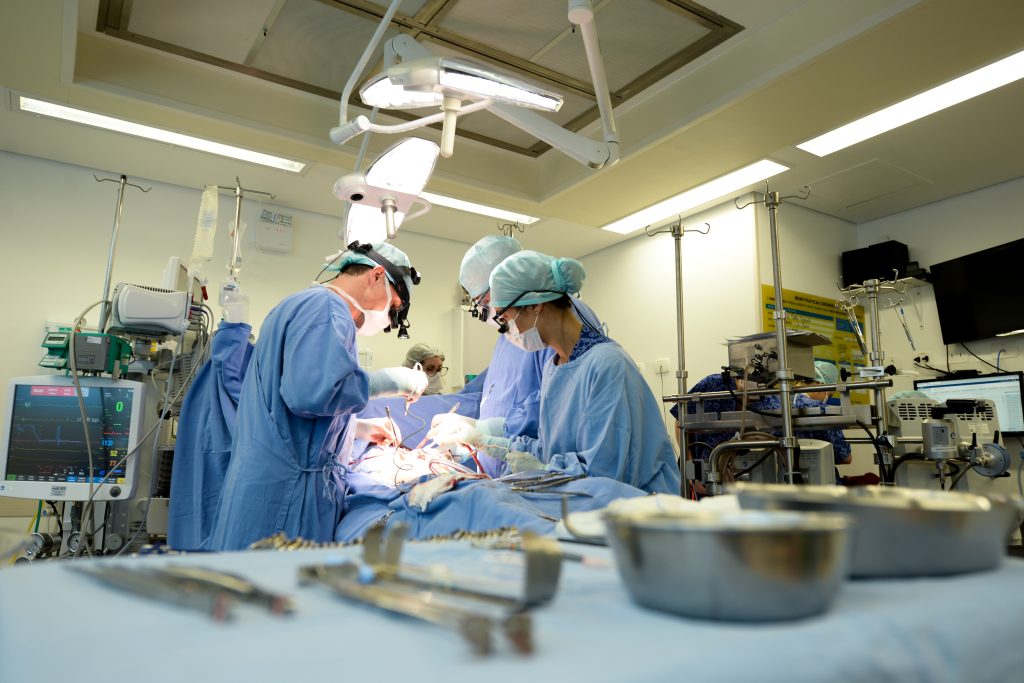

50th transplant marks Pequeno Príncipe’s excellence in pediatric cardiology
As a national reference center, the Hospital reaffirms its commitment to caring for children with heart diseases from their very first days of life

With a new heart beating strong in the chest of little Júlia Teixeira, just 6 years old, Pequeno Príncipe Hospital celebrated its 50th pediatric heart transplant this past June. This historic milestone not only signifies the victory of a child who can now fulfill her dream of riding a bike in the park, but also the institution’s ongoing commitment to life.
Diagnosed with dilated cardiomyopathy at just 5 months old, Júlia spent years facing limitations and waiting — until, finally, the long-awaited news arrived: a compatible donor had been found. The transplant was successful, and the girl was discharged after 42 days of hospitalization. “She arrived extremely tired, without the strength to play. Now, we see Júlia running through the hallways. It’s a victory for all of us,” says the physician Bruno Hideo, who coordinates heart transplants at the Hospital.
Since 2004, Pequeno Príncipe has performed pediatric heart transplants. Over two decades, it has become a national reference center for the procedure — currently the only hospital in the state of Paraná authorized to perform this type of transplant on children. Júlia’s story joins those of 49 other children and adolescents whose lives have been transformed by this exceptional work.
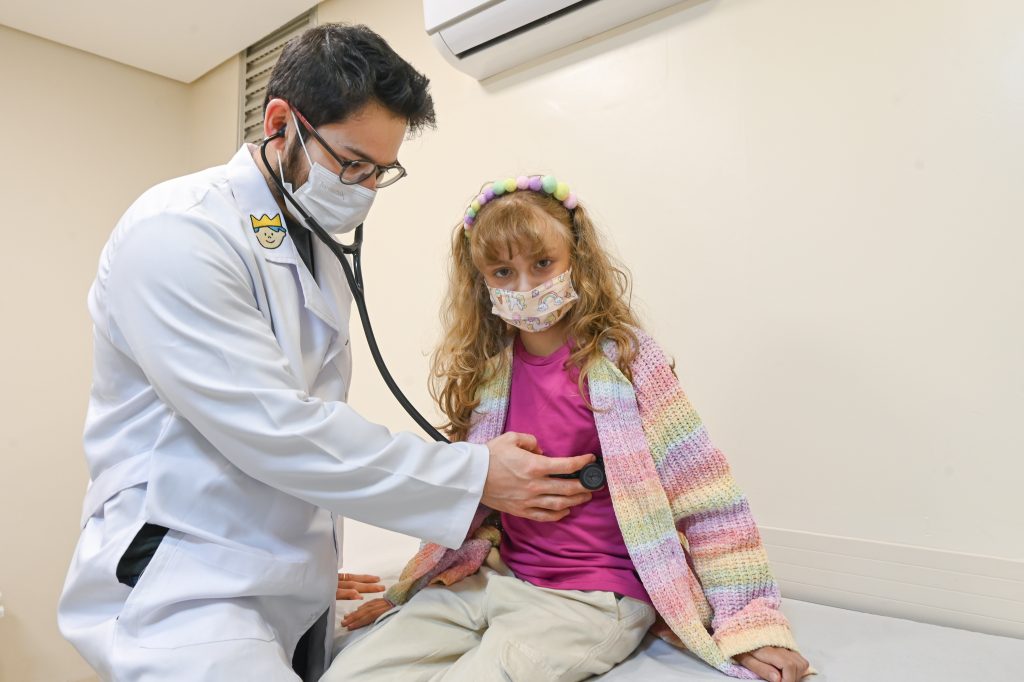
A reference center for congenital heart diseases
The success of the transplant program is just one aspect of the Hospital’s broader work. Pequeno Príncipe is one of Brazil’s leading pediatric cardiology centers, offering an integrated approach from diagnosis to the most complex procedures for congenital heart diseases — structural or functional abnormalities present at birth.
In 2024 alone, the Hospital performed 560 cardiac surgeries, including 92 on newborns less than 1 month old, in addition to nine heart transplants and 46 valve replacements.
The Hospital also houses the country’s pioneering Pediatric Electrophysiology Service, along with specialized teams in hemodynamics and echocardiography, providing state-of-the-art diagnosis and intervention with safety and minimal invasiveness. The Cardiology ICU and a complete multiprofessional approach ensure the comprehensive and humanized care that is the hallmark of the institution.
In Brazil, around 30,000 children are born every year with some form of congenital heart disease, according to the Ministry of Health. Many of these conditions require medical intervention within the first hours of life. That’s why early diagnosis — which can be made during pregnancy through fetal echocardiography or shortly after birth with the pulse oximetry test — is considered essential.