From samba drums to care pathways: another year in which health assistance, education, and science transformed lives
Milestones, advances, and stories that show how 2025 expanded Pequeno Príncipe’s impact inside and beyond the Hospital
When the samba drums began to echo down the avenue and the Acadêmicos da Realeza samba school took the stage honoring Pequeno Príncipe during Curitiba’s Carnival, it was clear that 2025 would be a special year. Seeing the Hospital’s history transformed into a parade theme — with a float adorned by handprints of patients, families, volunteers, and staff — moved everyone and heralded a cycle of achievements, structural advances, and renewed mobilization around the cause of childhood.
And so it was. What began as a celebration unfolded over the months into dedicated work, major accomplishments, deep care, and stories of lives transformed — like Rafaelly, who faced a highly delicate orthopedic surgery; siblings Bryan and Brennda, welcomed with warmth at every stage of their treatment; and little Sofia, whose courage inspired everyone around her.
Each story, in its own way, reflected the spirit of an extraordinary year.
Caring for those who care
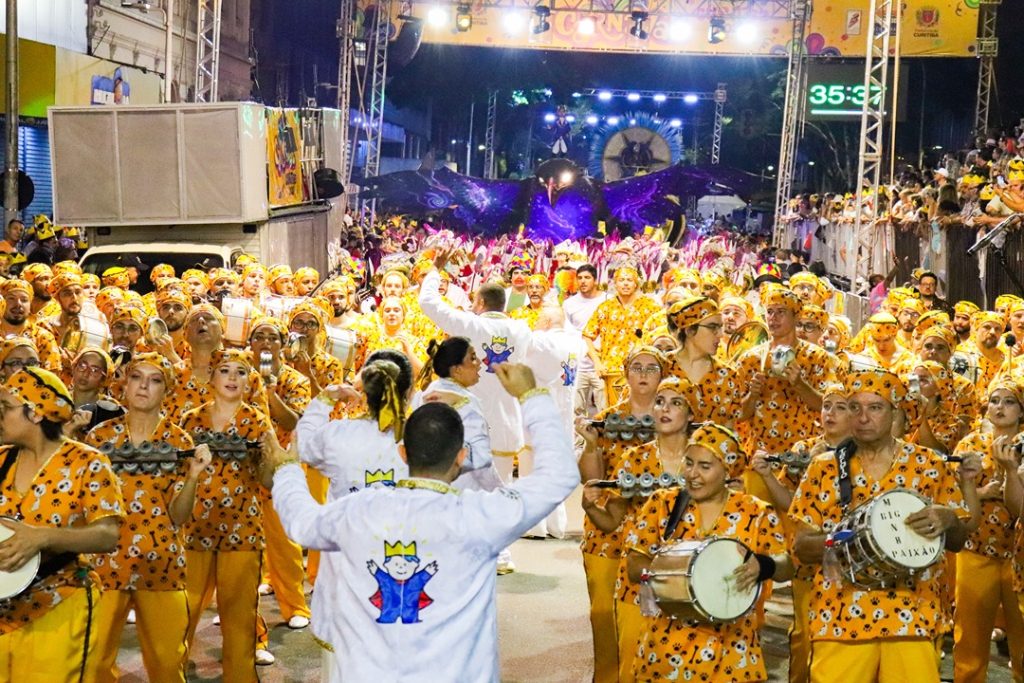
That symbolic announcement on the avenue opened the way for a year in which the Hospital strengthened those who make everything happen: its teams. Conversation circles became meaningful spaces for listening and participation; Café com Histórias once again brought together people who needed to share, hear, and reconnect; and cultural activities, such as theater and movie ticket raffles, strengthened bonds and reminded everyone that working at Pequeno Príncipe also means belonging.
Throughout the year, well-being took on new dimensions. The Cores Program promoted essential conversations about anxiety, immunity, and emotional intelligence. The Mova-se Program encouraged physical activity, while the Healthy Woman Program ensured access to preventive exams and dedicated support for female staff.
At the same time, the Performance Evaluation cycle brought leaders closer to their teams, reinforcing a culture of feedback and planning. And a historic milestone expanded internal safety: 556 new emergency brigade members completed training, totaling 926 professionals ready to act in emergencies — a record that reflects responsibility and care.
Excellence in care
Meanwhile, in the hallways and treatment rooms, 2025 witnessed some of the most remarkable moments in the Hospital’s history. Amid surges of viral infections, dengue, and seasonal illnesses, Pequeno Príncipe strengthened its educational role and intensified family guidance.
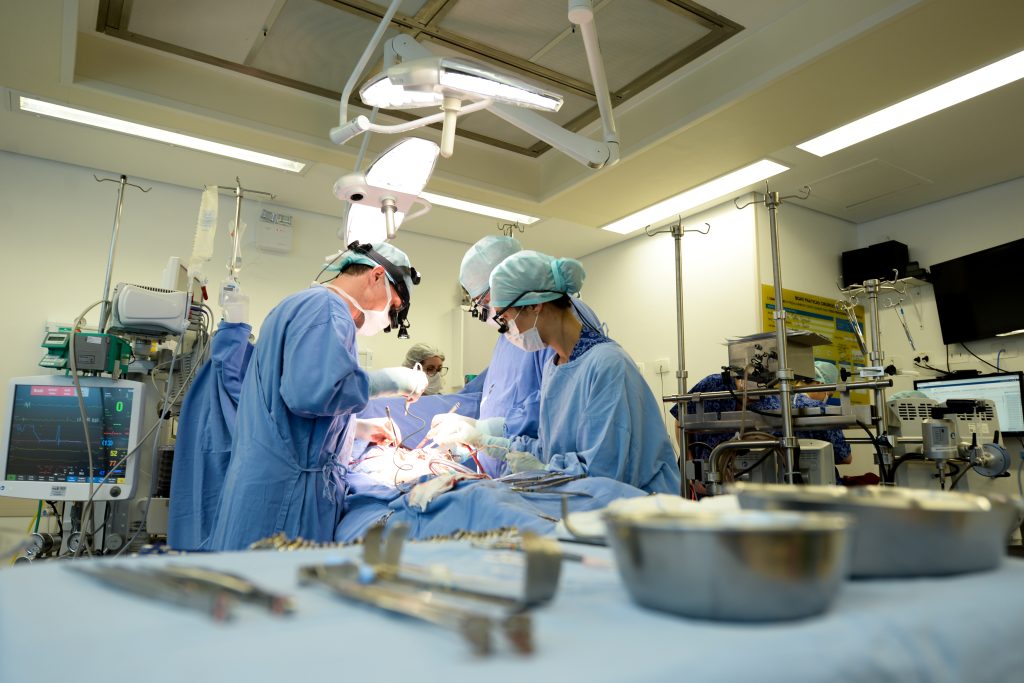
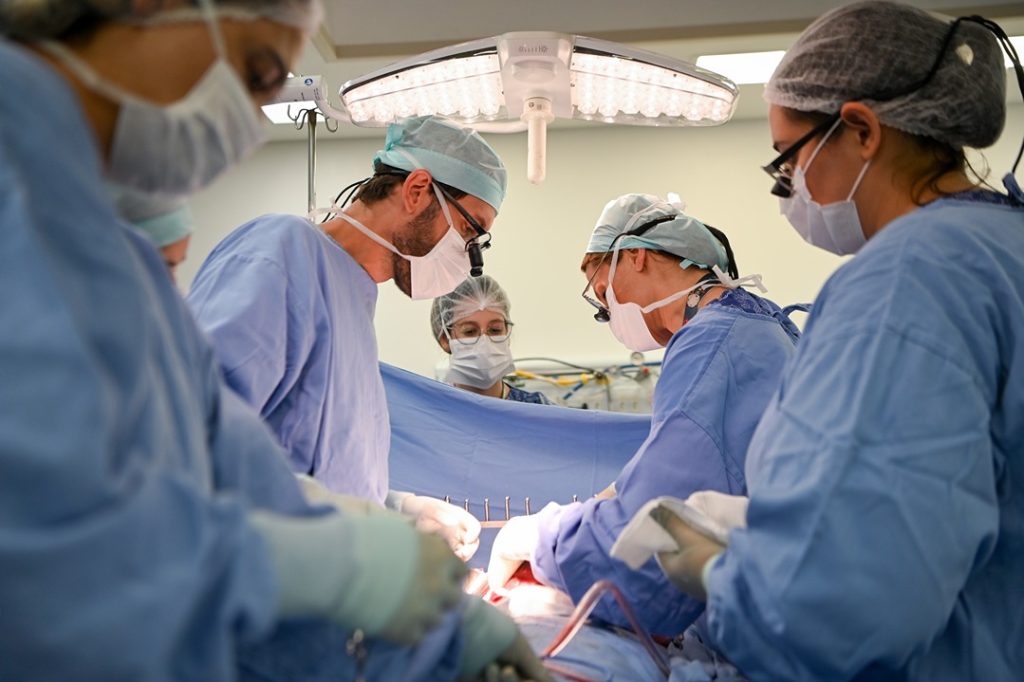
In high-complexity care, the year was marked by an unprecedented achievement: 12 heart transplants, the highest annual number ever performed by the institution — surpassing 50 procedures in the service’s history. Among those transplanted was Mariah, born with multiple cardiac malformations, who — thanks to a precise surgery and highly specialized teams — gained a real chance at the future.
Many other children found a second chance at life at the Hospital: Julia, brought in by air ICU with fulminant hepatitis, received an emergency liver transplant, with an organ donated by her own mother; Bento, a baby who became the institution’s 100th liver transplant recipient;and Davi, who traveled from Manaus (state of Amazonas) for a bone marrow transplantation and marked the 600th procedure of the service. These stories are not numbers — they are lives moving forward!
Public policies that broaden access and comfort
The year’s progress also reached the realm of public health policy. Pequeno Príncipe became the first exclusively pediatric hospital in Brazil authorized by the Ministry of Health to train Palliative Care teams within the SUS (Brazilian Public Health System) — a groundbreaking step in Brazilian pediatrics.
Alongside the State Department of Health, the Hospital also signed the Bate-Bate Coração Program, which will ensure early diagnosis and faster access to treatment for children with congenital heart diseases throughout Paraná state — giving new chances to the “Mariahs” yet to be born.
Excellence recognized
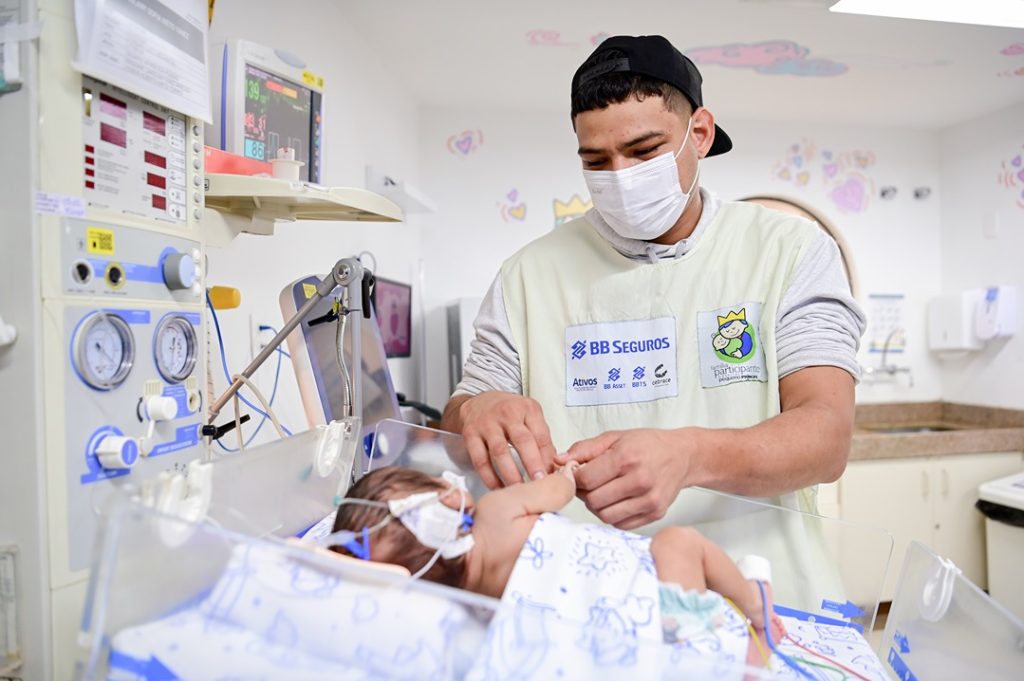
In 2025, Pequeno Príncipe received one of the most important recognitions in its history: official certification by the Brazilian Ministry of Health as a Hospital of Excellence, after meeting 91 requirements in care quality, innovation, management, professional training, and public-interest research. It is the first exclusively pediatric hospital in Brazil to achieve this distinction, reaffirming its leadership in strengthening the SUS and offering the best care possible to children and adolescents.
Another honor confirmed its international reach: for the fifth consecutive year, the Hospital was named by Newsweek magazine as the best exclusively pediatric hospital in Latin America, rising in the global ranking and standing among the world’s leading pediatric centers.
Teaching that shapes, science that transforms
If care touched lives, teaching and research opened pathways. The 2025 Criança Congress brought together thousands of professionals, reinforcing the institution’s role as a reference in pediatric knowledge. The Multiplica PP Program expanded horizons by addressing topics such as artificial intelligence in healthcare, immunology, and mental health.
The Pelé Pequeno Príncipe Research Institute celebrated 19 years with a cycle of recognition: it received the Niède Guidon Medal at the Finep Innovation Award, consolidated the Brazil–Catalonia cluster, and saw researcher Mara Lúcia Cordeiro nationally honored with the Nise da Silveira Award.
Sustainability: caring for childhood means caring for the planet
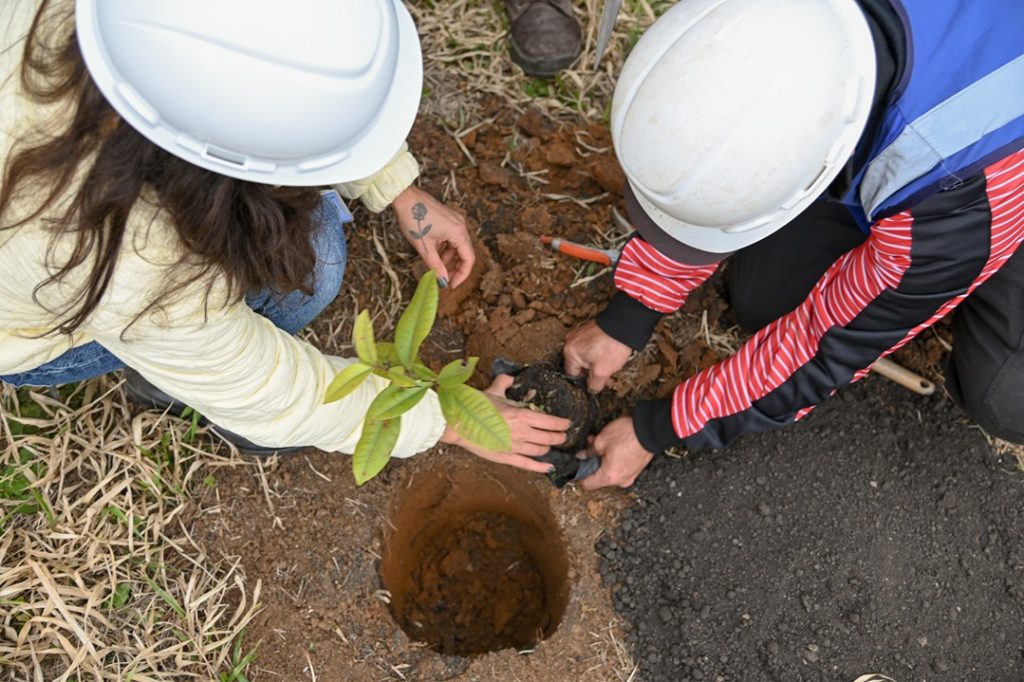
A historic milestone placed the Pequeno Príncipe Complex at the forefront of sustainability in Brazil: it became the first institution in the country — and the first pediatric institution in the world — to purchase biodiversity credits, aligning healthcare and environmental conservation in an unprecedented way. This initiative symbolizes a deep understanding that protecting children’s lives also means protecting the ecosystems that sustain life.
From this pioneering action, other initiatives reinforced the integration of health and the environment. The Re-Conhecer e Reviver o Rio Iguaçu project brought society closer to the importance of river conservation and the link between sanitation, ecosystems, and human health. The institution also received, for the third consecutive year, the Gold Seal in Climate Resilience, an international recognition for organizations preparing for climate-related impacts.
Closing the year, the planting of one thousand trees offset the carbon footprint of the Pequeno Príncipe Gala and part of the Pequeno Príncipe Complex emissions — a concrete gesture connecting environmental stewardship to the care of future generations.
Infrastructure shaping the future of care
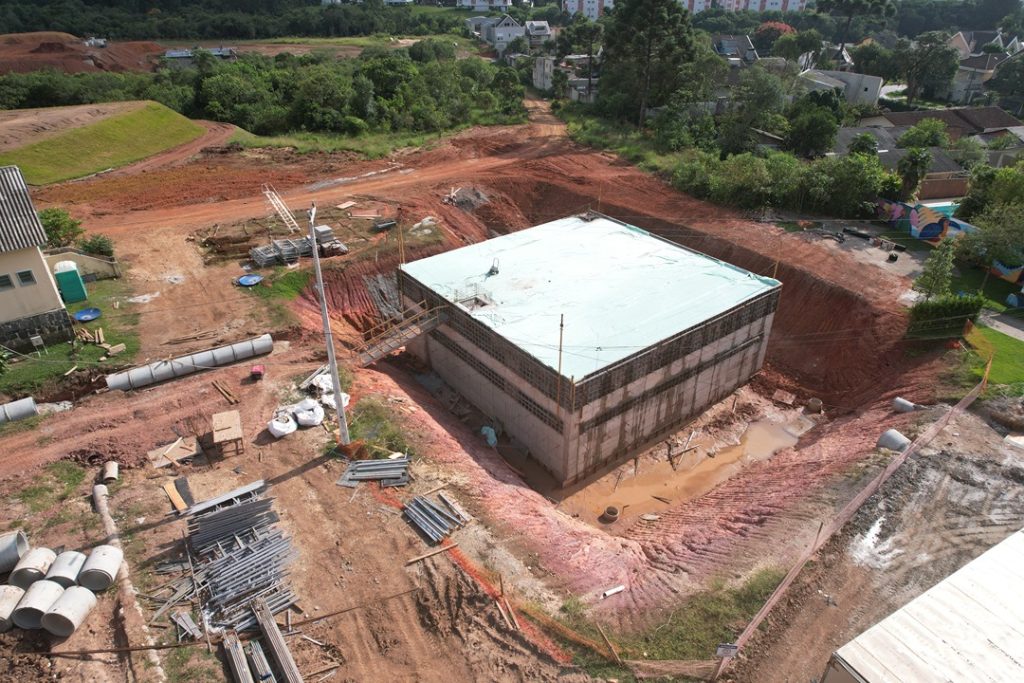
2025 was also a decisive year for institutional infrastructure — both at the existing Complex and at the future site taking shape in the Bacacheri neighborhood. The most striking achievement was the visible progress of the Pequeno Príncipe North construction project, marking the most important expansion in the institution’s history.
At the future integrated center for health, science, education, and the environment, construction advanced on multiple fronts: the bridge over the permanent preservation area reached its definitive structure; internal roads received sub-base and precision grading; new structures emerged, including the technical area for the future data center, Gatehouse 2, and segments of the energy, irrigation, drainage, and IT networks. Each completed phase — from the front fencing to pavement, from structural review to removal of bridge supports — reinforces the commitment to building a space where care and innovation progress hand in hand while preserving local biodiversity.
At the Água Verde Complex, transformations also took shape. The major access ramp was completed, improving safety for patients and staff. The institution inaugurated its new data center, enhancing information security and enabling innovation and AI projects. And the replacement of the roof of the César Pernetta historic building began — an essential step in preserving the institution’s architectural heritage for the next hundred years.
Humanization as identity
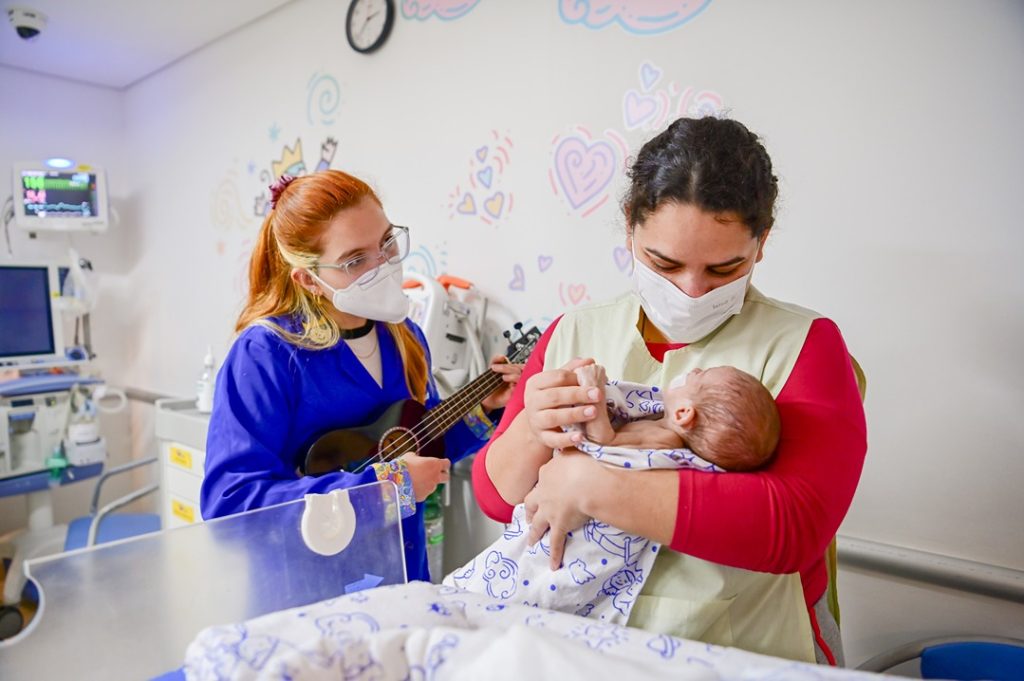
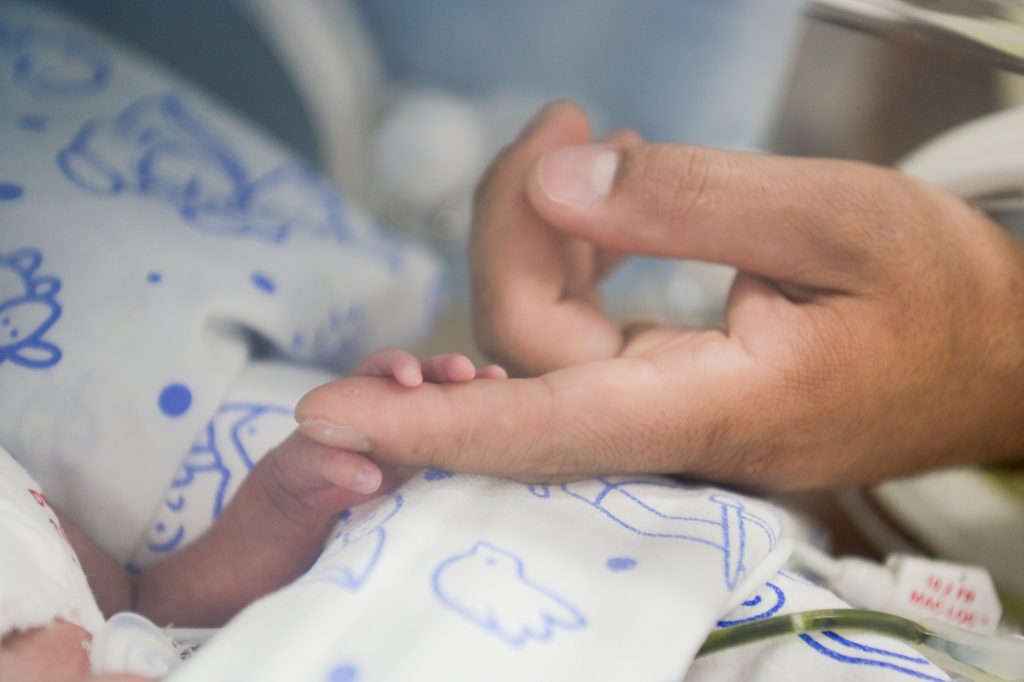
Humanization continued to be the thread connecting every encounter in the Hospital. In 2025, Pequeno Príncipe reaffirmed that caring for a child means protecting their rights — even during hospitalization. School support ensured that children maintained their connection with learning, even during lengthy treatments. Culture filled the hallways with joy — through music, reading, games, and art.
Equally, the right of a family member to remain present stayed at the heart of care: parents and guardians received emotional support, continuous guidance, and dignified conditions to remain by the children’s side, because no family walks this journey alone.
Volunteers accompanied everything, bringing music, stories, games, and affection to patient rooms and hallways, ensuring the right to play as an essential part of recovery. Every story told, every drawing made, and every shared song helped turn the hospital environment into a place of life, hope, and preserved childhood.
A future woven by many hands
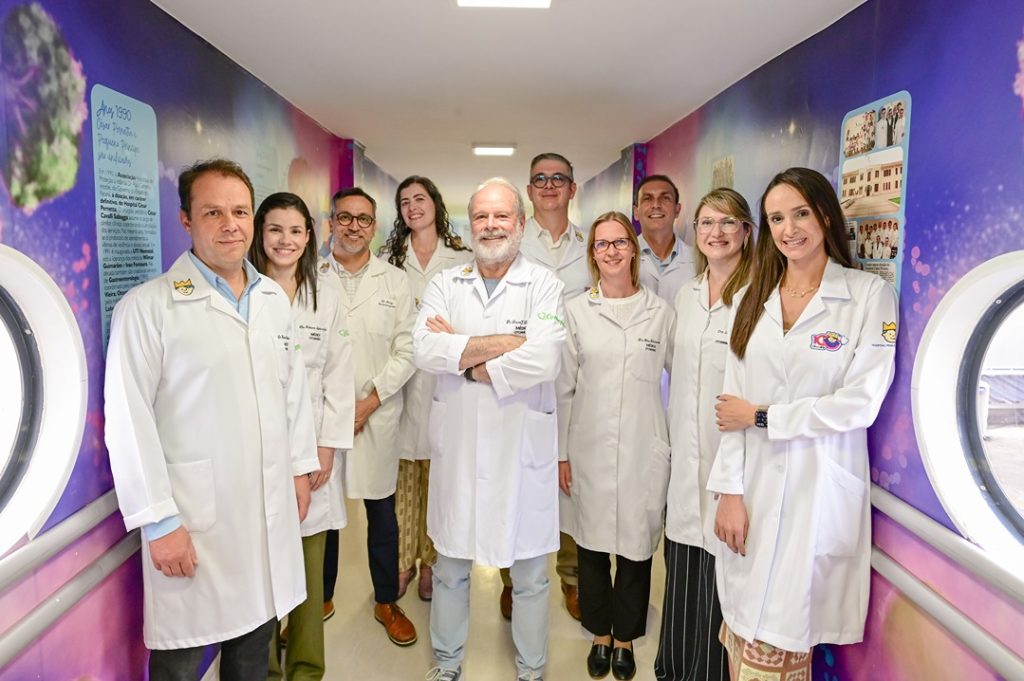
If the drums of Carnival announced a magical year, 2025 confirmed that promise in every achievement. It was a year in which care saved lives, science opened new frontiers, teaching shaped future generations, sustainability gained strength, and teams were supported so they could care even better.
Each story — of Rafaelly, Mariah, Davi, Bento, Julia, Brennda, and so many others — reminded us that Pequeno Príncipe is made of people who transform realities every day. And, alongside tireless professionals, a network of supporters and donors made the impossible possible — providing resources, hope, and opportunities for thousands of children to continue receiving the best care.
Every victory of this year reaffirms a renewed commitment: to continue offering the best possible care, guided by ethics, science, human connection, and deep respect for childhood — always hand in hand with those who believe in our cause and share this mission.