

The year begins with achievements that reinforce excellence in teaching and research at Pequeno Príncipe
IPP’s Postgraduate Program in Biotechnology earns a Capes score of 6, while FPP medical students achieve the highest score on Enamed
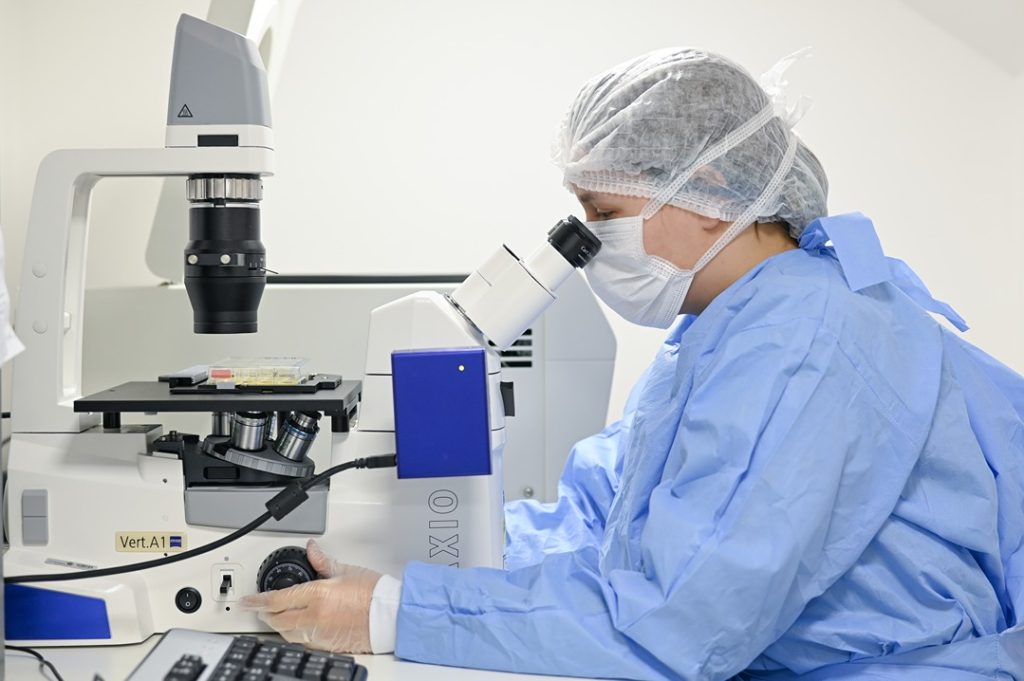
The year 2026 began with excellent news for Pequeno Príncipe, reaffirming its commitment to excellence in teaching, research, and the training of health professionals focused on childhood and adolescence: the achievement of a Capes (Brazilian Coordination of Superior Level Staff Improvement) score of 6 for the Postgraduate Program in Biotechnology Applied to Child and Adolescent Health (on a scale up to 7) and the standout performance of medical students at Pequeno Príncipe College, who earned a score of 5 on the National Exam for the Assessment of Medical Training (Enamed, in Portuguese).
These results add to Pequeno Príncipe Hospital’s recognition in Newsweek’s ranking as the best hospital specializing in pediatrics in Latin America and consolidate the institution’s excellence across its three main areas of work: care, teaching, and research. They also reflect a commitment to actions that have impact and transform lives.
In research, the evaluation by the Coordination of Superior Level Staff Improvement, covering the 2021–2024 period and released in January 2026, placed the Postgraduate Program in Biotechnology Applied to Child and Adolescent Health among the best in the country. Developed by the Pelé Pequeno Príncipe Research Institute (IPP, abbreviation in Portuguese) in partnership with Pequeno Príncipe College (known as FPP), the program now belongs to the excellence group in the Medicine II area.
The score of 6, on an evaluation scale up to 7, recognizes a set of factors that sustain the program’s academic quality: high-impact scientific output, strong student participation, broad international engagement, and robust research infrastructure. Embedded in a unique academic-care complex that brings together hospital, faculty, and research institute, the program stands out for translational research capable of integrating basic science, biotechnology, and clinical practice, ensuring that the knowledge produced becomes innovation, care, and social impact.

High-impact scientific output
One of the main pillars supporting the score of 6 was the program’s scientific output in the four-year period. In total, the program published 274 scientific articles in high-impact journals, with excellent performance under the criteria used by Capes. Student leadership also stood out: in more than 50% of these publications, students appear as co-authors, demonstrating effective integration between training and knowledge production.
The training of human resources advanced consistently. In the evaluated period, the program awarded degrees to 80 researchers — 60 master’s and 20 doctoral graduates — more than double the number recorded in the previous four-year period.
Research infrastructure
Research infrastructure underwent significant expansion in the last four-year period. The area dedicated to research grew from about 600 m² to approximately 2,000 m², distributed across different institutional structures. Investments in highly complex equipment totaled around US$ 12 million, enabling research at the most advanced frontiers of biotechnology applied to child and adolescent health.
Internationalization is another relevant axis of the program. About 60% of the researchers maintain international partnerships through collaborative projects, joint publications, student exchanges, and participation in scientific events abroad, in addition to national collaborations in different regions of the country.
Philanthropy and social commitment
Among stricto sensu programs in the Medicine II area focused on pediatrics in Brazil, only three belong to philanthropic institutions. IPP’s performance, with a score of 6, places philanthropy on equal footing with major public and private universities. “The challenge is greater, because historically funding favors public institutions. On the other hand, social commitment is a differentiator: everything we do returns to the patient,” says the Institute’s director-general, Ety Cristina Forte Carneiro.
Enamed
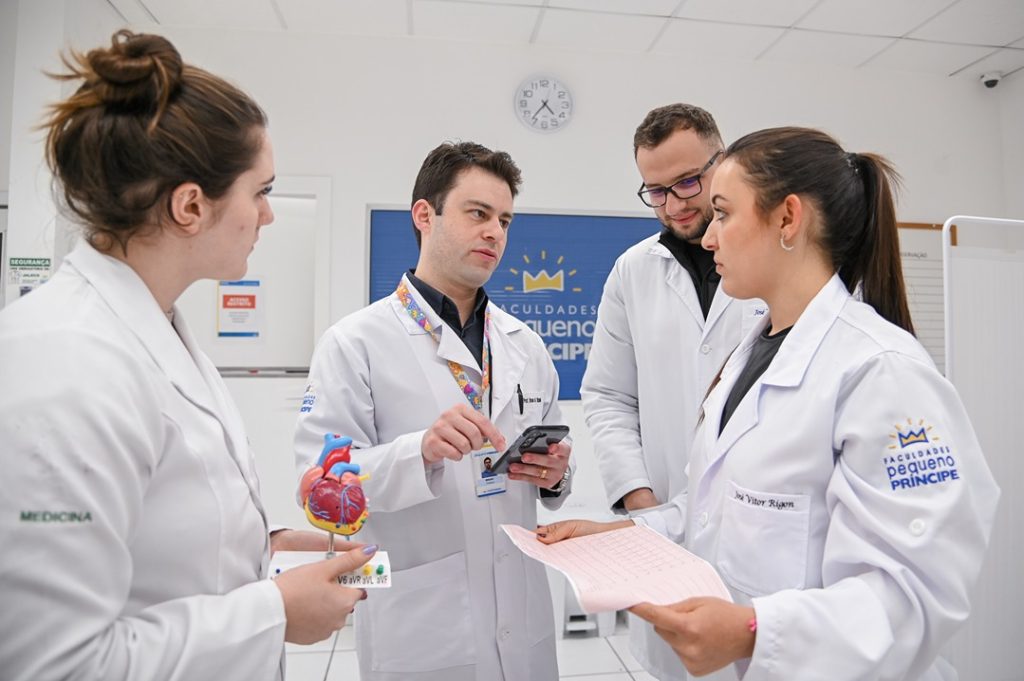
The performance of FPP students on the National Exam for the Assessment of Medical Training placed FPP in second place in the national ranking of performance among private schools.
Administered by the National Institute for Educational Studies and Research Anísio Teixeira (INEP, in Portuguese), Enamed assesses the knowledge, skills, and competencies developed throughout the medical degree program, considering clinical, ethical, and comprehensive healthcare content. A score of 5, the highest on the exam, indicates a high level of student training and reflects the quality of the institution’s pedagogical project, aligned with contemporary health demands and humanized medical practice.
See more

Study identifies autism in 38% of children with spinal muscular atrophy type 1
The finding greatly exceeds the prevalence observed in the general population and suggests that the disorder may be underdiagnosed in this group
Social investments drive digital transformation at Pequeno Príncipe
Project supported by society is modernizing systems, strengthening data security, and improving care for children and adolescents
More than 60% of families of children hospitalized at Pequeno Príncipe live on up to two minimum wages
Study reveals high unemployment among caregivers and shows that 60% of hospital admissions are provided through Brazil’s Public Health System (SUS)

Social investment accounted for 47% of the funds allocated to projects at Pequeno Príncipe
Direct contributions and investments made through tax incentives supported improvements in safety, infrastructure, and care areas throughout the year
Pequeno Príncipe Hospital treats more than 100,000 children in 2025 and reinforces its strategic role in SUS
76% of care was delivered through SUS (Brazilian Public Health System), with a high volume of hospitalizations, surgeries, and highly complex procedures