
Study identifies autism in 38% of children with spinal muscular atrophy type 1
The finding greatly exceeds the prevalence observed in the general population and suggests that the disorder may be underdiagnosed in this group
A study conducted by the Pelé Pequeno Príncipe Research Institute (IPP, abbreviation in Portuguese) identified signs of autism spectrum disorder (ASD) in 38% of the children with spinal muscular atrophy type 1 (SMA type 1) evaluated in the research — a proportion much higher than that observed in the general population, in which autism affects about 1% to 2% of individuals.
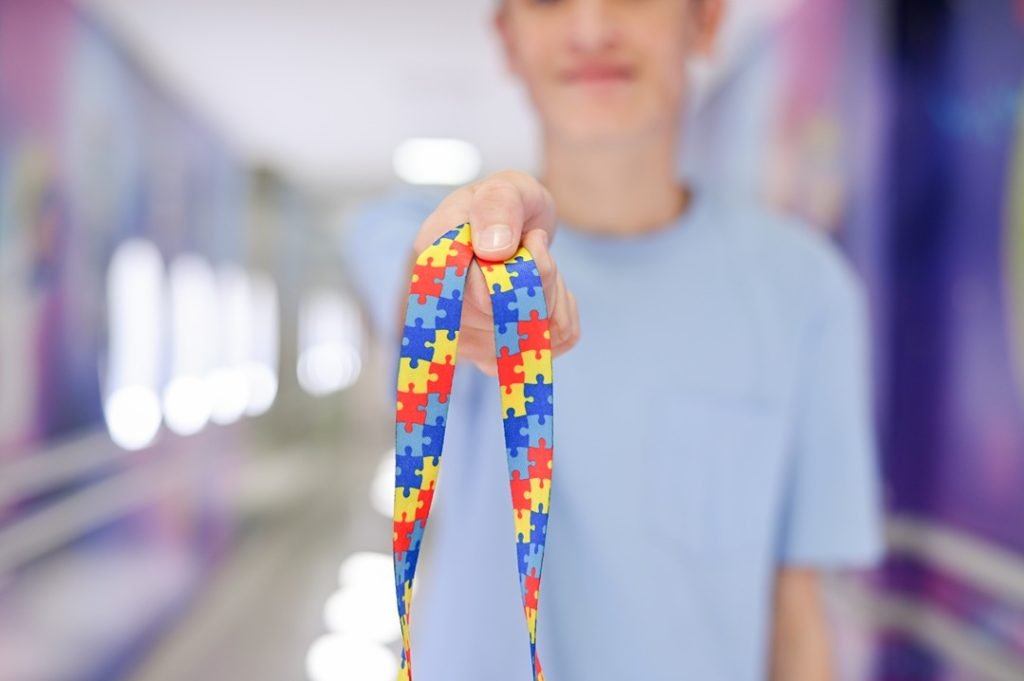
The result was obtained from the clinical analysis of 13 children with SMA, aged 2 to 7 years. Of these, five met the diagnostic criteria for autism, according to the Diagnostic and Statistical Manual of Mental Disorders (DSM-5-TR), an international reference in the field.
According to neuroscientist Mara Cordeiro, coordinator of the study, the results indicate that autism may be underdiagnosed in this population. “Historically, it was believed that cognition was preserved in children with spinal muscular atrophy. However, with advances in treatment and the increased survival of these patients, we have begun to observe more complex developmental profiles. Our study shows that autism spectrum disorder may be present more frequently than previously thought and that we need to look more carefully at these signs,” she says.
A new reality for children with SMA
Spinal muscular atrophy is a rare genetic disease that affects the neurons responsible for controlling muscles. In type 1 — the most severe form — symptoms appear in the first months of life and lead to progressive muscle weakness.
In recent years, innovative therapies have radically changed patients’ prognosis. Medications and gene therapies have significantly improved muscle strength and survival.
With these advances, many children with SMA are now living longer and reaching new developmental milestones. This new scenario has allowed physicians to observe neurological and behavioral aspects that were previously little known.
A challenging diagnosis
Identifying autism spectrum disorder in children with SMA is particularly complex. Many of the behaviors used to assess autism — such as gestures, movements, and forms of communication — may be affected by the neuromuscular disease itself.
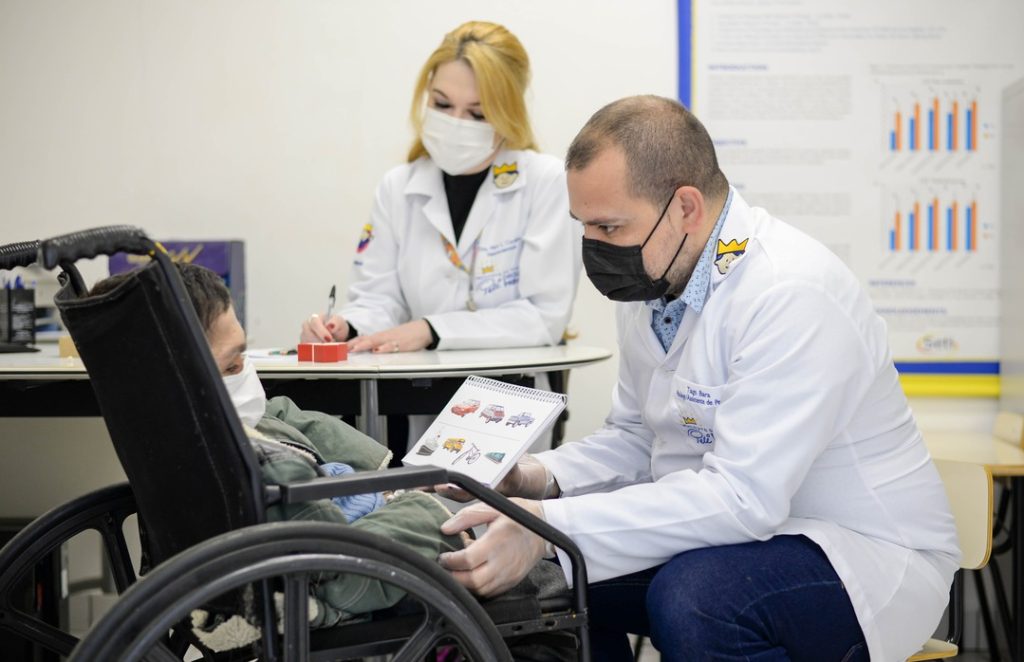
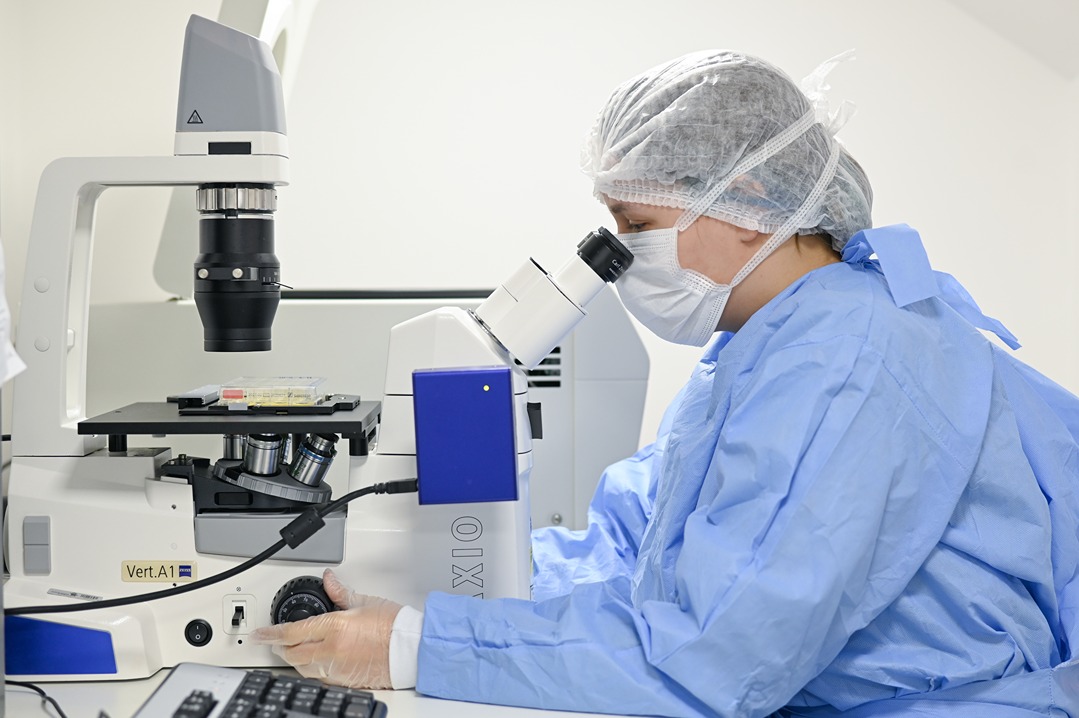
For this reason, in the study conducted at the Pelé Pequeno Príncipe Research Institute, the diagnosis was not based solely on traditional screening tests. The evaluation was carried out by a multidisciplinary team composed of neuropediatricians, neuropsychologists, and neuroscience researchers, who analyzed the children’s developmental history, observed their behavior, and conducted detailed neuropsychological assessments.
Even so, some screening instruments used to detect autism failed to identify all cases, reinforcing the need for assessment methods adapted for children with severe motor limitations.
Differences between motor improvement and cognitive development
Another important finding of the study was the difference between the children’s physical progress and their cognitive and behavioral development.
All the children evaluated showed improvements in motor function after receiving SMA therapies. However, those who also had autism demonstrated more significant difficulties in areas such as communication, socialization, and daily living skills.
According to the researchers, this indicates that the motor improvements provided by treatment do not necessarily translate into equivalent progress in neurocognitive development.
The importance of developmental monitoring
The data also suggest that the timing of SMA treatment may influence children’s cognitive development.
In the group analyzed, children who began therapy earlier tended to achieve better results in nonverbal intelligence tests. Those who started treatment later showed lower performance, suggesting the existence of an important window for neurological development.
For the researchers, these findings reinforce the importance of continuously monitoring the cognitive and behavioral development of children with SMA, in addition to treating their motor limitations.
An expanding field of research
Although the study analyzed a small number of patients — something common in research on rare diseases —, its conclusions help expand knowledge about the relationship between spinal muscular atrophy and autism.
By documenting this association, the research opens the way for new studies aimed at better understanding the biological mechanisms involved and developing more appropriate diagnostic strategies for boys and girls with neuromuscular diseases.
According to Mara Cordeiro, the early recognition of autism signs in this population may contribute to more comprehensive follow-up and more effective interventions throughout these children’s development.
See more
Social investments drive digital transformation at Pequeno Príncipe
Project supported by society is modernizing systems, strengthening data security, and improving care for children and adolescents
More than 60% of families of children hospitalized at Pequeno Príncipe live on up to two minimum wages
Study reveals high unemployment among caregivers and shows that 60% of hospital admissions are provided through Brazil’s Public Health System (SUS)

Social investment accounted for 47% of the funds allocated to projects at Pequeno Príncipe
Direct contributions and investments made through tax incentives supported improvements in safety, infrastructure, and care areas throughout the year
The year begins with achievements that reinforce excellence in teaching and research at Pequeno Príncipe
IPP’s Postgraduate Program in Biotechnology earns a Capes score of 6, while FPP medical students achieve the highest score on Enamed
Pequeno Príncipe Hospital treats more than 100,000 children in 2025 and reinforces its strategic role in SUS
76% of care was delivered through SUS (Brazilian Public Health System), with a high volume of hospitalizations, surgeries, and highly complex procedures