
Social investments drive digital transformation at Pequeno Príncipe
Project supported by society is modernizing systems, strengthening data security, and improving care for children and adolescents
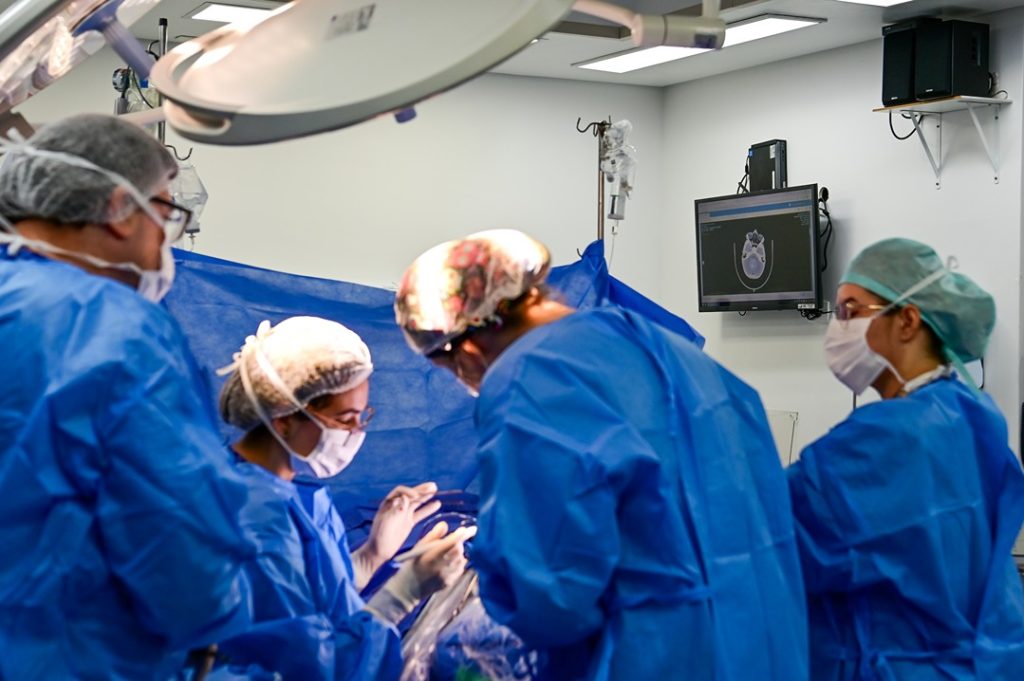
Digital transformation is one of the major forces driving the evolution of medicine worldwide. At Pequeno Príncipe Hospital, this transformation has been taking place over the past few years through the Digital Hospital project, an initiative financed with resources raised from society and aimed at modernizing the institution’s technological infrastructure.
The project seeks to improve quality, agility, and safety in patient care by implementing digital systems, integrating clinical information, and strengthening the Hospital’s information technology infrastructure.
In practice, this means preparing the hospital environment to handle the large volume of data generated in medical care and supporting clinical decisions with greater speed and accuracy.
Since the project began, several stages have been implemented focusing on three main fronts: integration of clinical systems, strengthening of the electronic health record, and expansion of technological infrastructure.
Over this process, US$ 1.9 million have been invested in equipment, software, specialized services, and technical teams responsible for implementing new solutions.
Stronger infrastructure
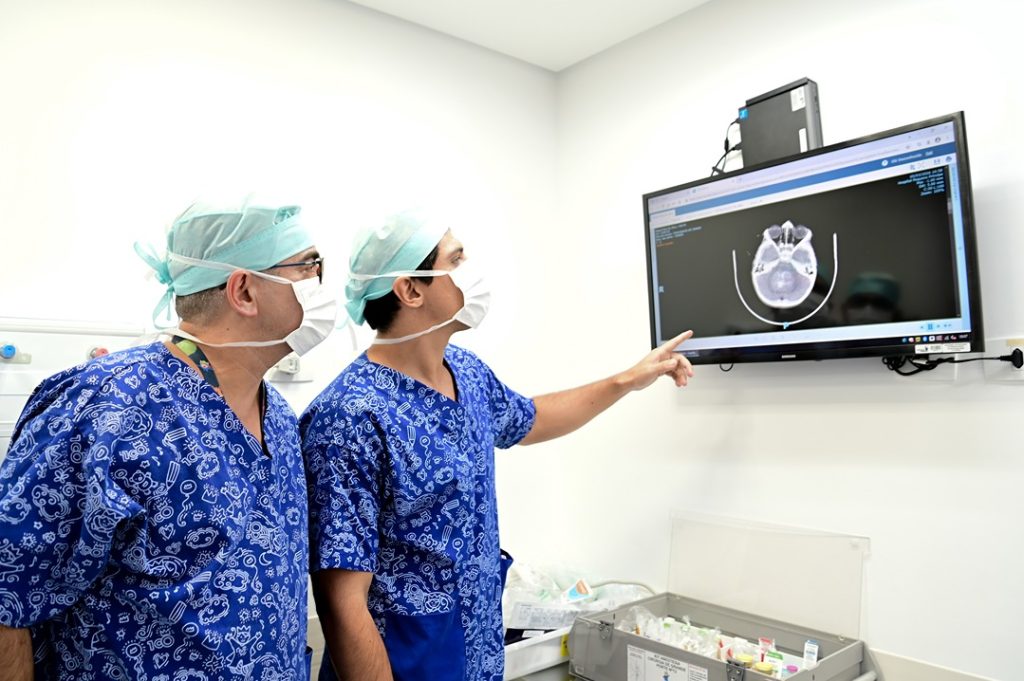
Among recent advances is the implementation of a modular data center, which ensures greater processing capacity and storage of hospital data, while improving the security of sensitive patient information.
New information security systems have also been installed, including firewall tools and device protection solutions, helping protect systems from cyberattacks and ensuring the integrity of clinical data.
Another major improvement was the expansion of the Hospital connectivity network. With new IT infrastructure equipment and Wi-Fi access points, the institution has expanded wireless coverage, which is essential for the digital solutions used in patient care.
An increasingly digital hospital
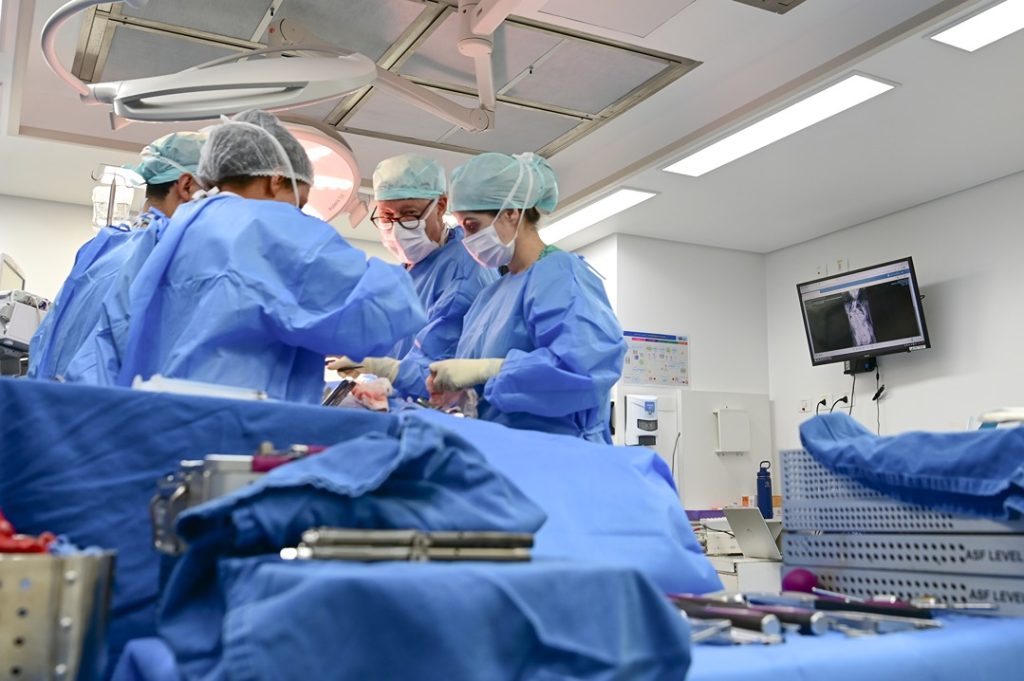
Digital transformation has also reached daily clinical practice. One initiative is the implementation of bedside electronic verification systems, allowing professionals to access and record clinical information directly next to the patient.
These tools help keep data updated in real time, reduce operational errors, and improve control of the care process. The system also allows tracking of medication use, increasing safety and control over administered doses.
Another important step is the advancement of the “paperless hospital” strategy. With the digitalization of medical records and clinical documents, the Hospital is reducing the circulation of physical records and facilitating access to medical information.
Greater diagnostic precision
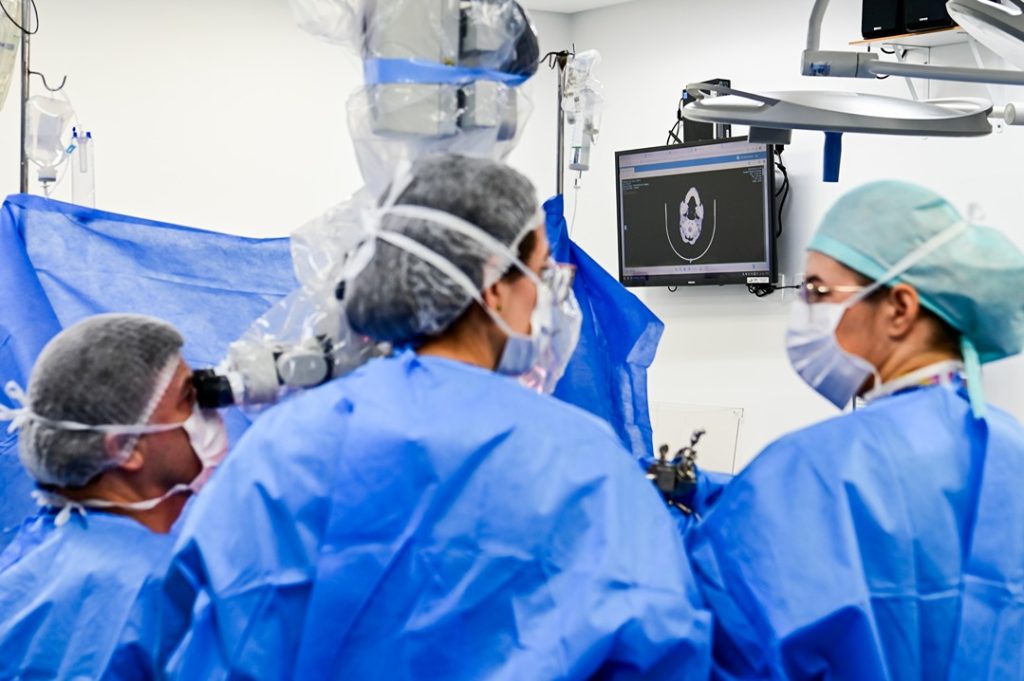
The project has also generated significant advances in diagnostic imaging. One example is the implementation of a new Picture Archiving and Communication System (PACS), used in exams such as CT scans, MRI, ultrasound, and radiology.
In addition to improving image quality and diagnostic accuracy, the technology offers advanced analysis tools and facilitates the production and issuance of reports by specialists.
Data integration in care
The next stage of the Hospital’s digital transformation involves developing systems capable of automatically integrating clinical data from different medical devices.
One example is an interoperability system currently being implemented, which will allow vital sign data collected by monitors and exam equipment to be automatically transferred to the patient’s electronic health record.
This integration aims to reduce typing errors, improve data reliability, and allow healthcare professionals faster and more complete access to clinical information.
Social investment generating impact
Many of these initiatives have been made possible through social investments from companies and individuals who support pediatric healthcare.
By strengthening the Hospital’s technological infrastructure, these investments directly contribute to making care safer, faster, and more efficient, expanding the institution’s ability to offer increasingly qualified care for children and adolescents.
See more

Study identifies autism in 38% of children with spinal muscular atrophy type 1
The finding greatly exceeds the prevalence observed in the general population and suggests that the disorder may be underdiagnosed in this group
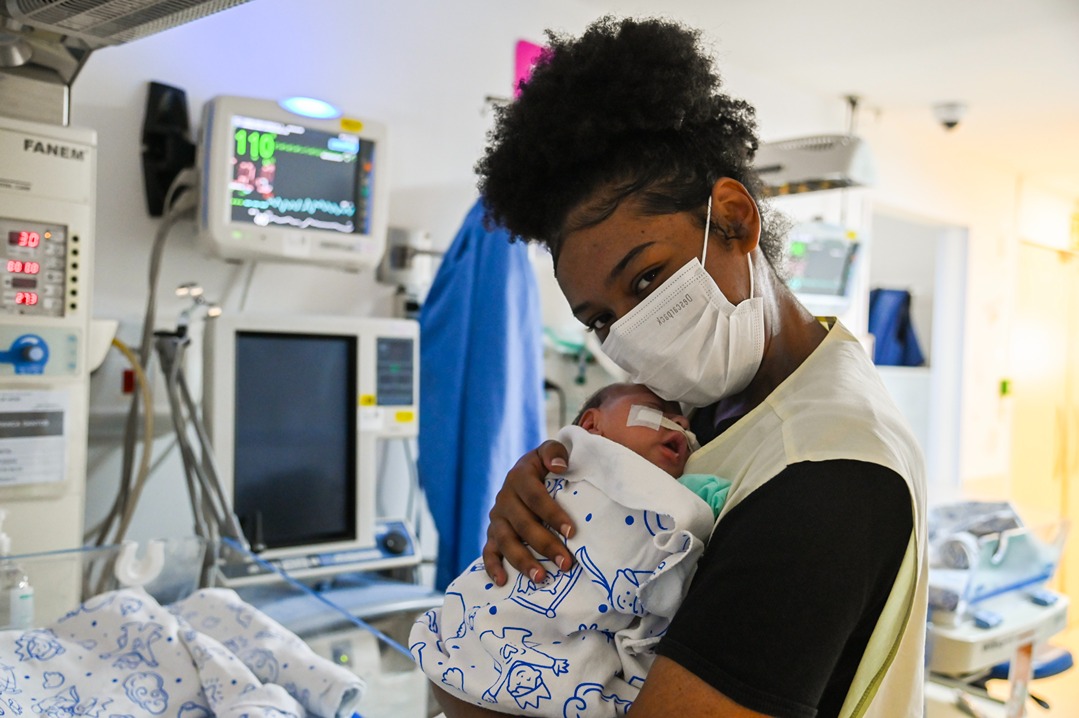
More than 60% of families of children hospitalized at Pequeno Príncipe live on up to two minimum wages
Study reveals high unemployment among caregivers and shows that 60% of hospital admissions are provided through Brazil’s Public Health System (SUS)

Social investment accounted for 47% of the funds allocated to projects at Pequeno Príncipe
Direct contributions and investments made through tax incentives supported improvements in safety, infrastructure, and care areas throughout the year
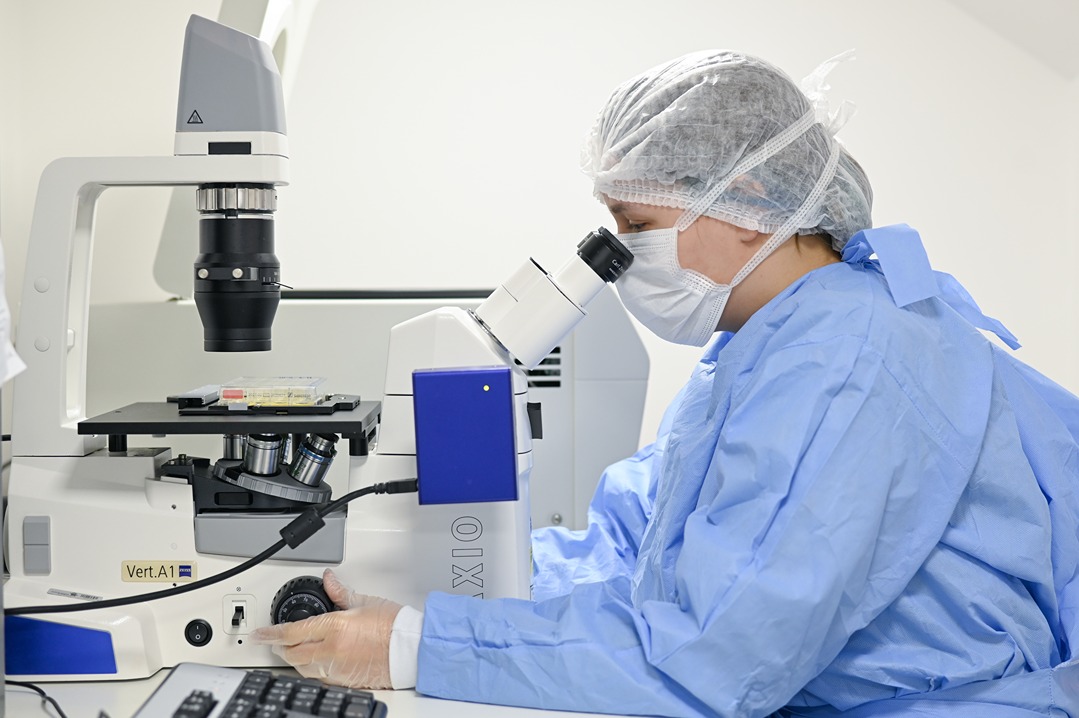
The year begins with achievements that reinforce excellence in teaching and research at Pequeno Príncipe
IPP’s Postgraduate Program in Biotechnology earns a Capes score of 6, while FPP medical students achieve the highest score on Enamed
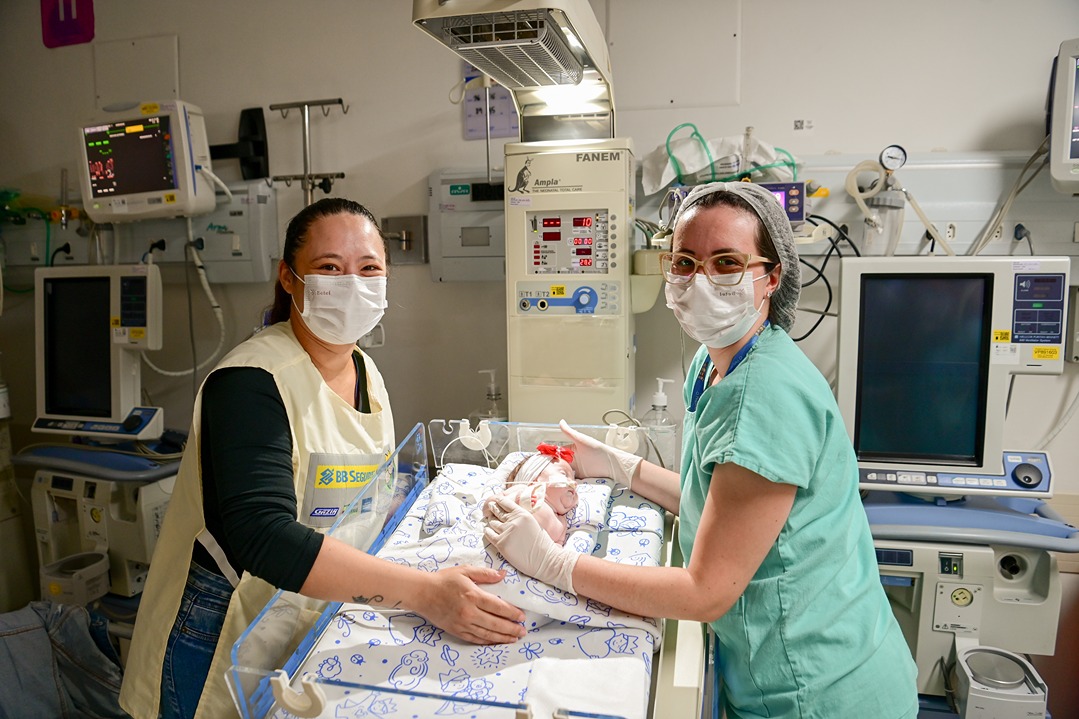
Pequeno Príncipe Hospital treats more than 100,000 children in 2025 and reinforces its strategic role in SUS
76% of care was delivered through SUS (Brazilian Public Health System), with a high volume of hospitalizations, surgeries, and highly complex procedures