
More than 60% of families of children hospitalized at Pequeno Príncipe live on up to two minimum wages
Study reveals high unemployment among caregivers and shows that 60% of hospital admissions are provided through Brazil’s Public Health System (SUS)
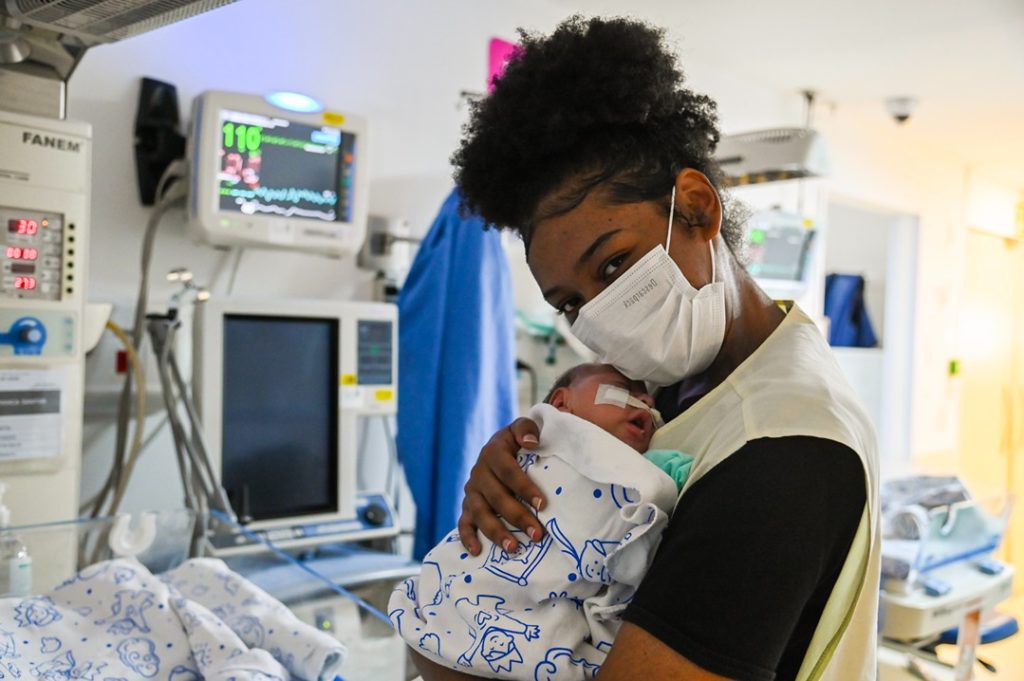
A recent study mapping the socioeconomic profile of hospitalized patients and their caregivers in 2025 shows that more than 60% of families with children admitted to Pequeno Príncipe Hospital live on up to two minimum wages.
The findings reveal that pediatric healthcare often occurs in a context of multiple social vulnerabilities. For many families, coping with a child’s illness also means dealing simultaneously with unemployment, limited income, and dependence on public policies.
Among caregivers, 48% are unemployed. Even among those who are working, job stability is limited: 31% work in informal activities, without formal employment contracts.
This scenario shows that for many families, the hospitalization of a child requires major reorganizations in daily life, affecting income, work routines, and family dynamics.
Dependence on public policies
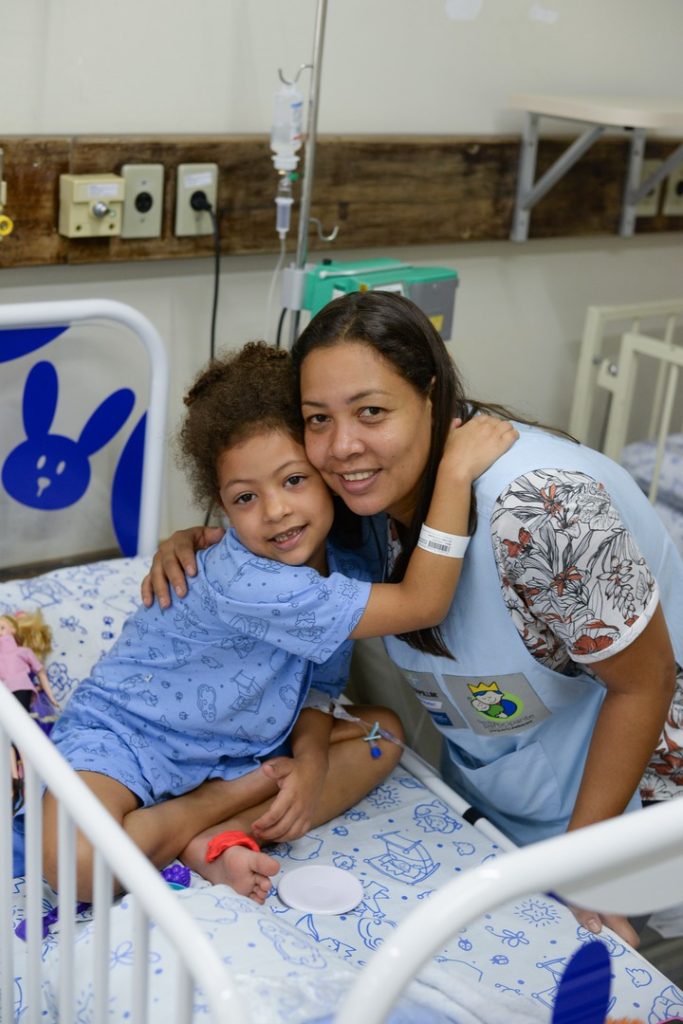
The study also highlights the importance of public policies in supporting families served by the institution. Three out of ten hospitalized children receive some type of government benefit, demonstrating the relevance of social assistance programs in ensuring basic conditions during treatment.
In healthcare, the role of the public health system is central. In 2025, 60% of hospital admissions at Pequeno Príncipe were provided through Brazil’s Public Health System (known as SUS). Considering outpatient services and other criteria related to the CEBAS certification (Certification of Beneficent Social Assistance Entities), SUS-related care accounted for 76% of the Hospital’s services in 2025.
Recognized for its universal coverage, the SUS is one of the largest public healthcare systems in the world. A significant portion of this care is delivered by philanthropic hospitals, which work in partnership with the public system, especially in high-complexity areas.
However, public funding historically does not fully cover the costs of care provided. This financial imbalance accumulated over the years means philanthropic institutions also rely on continued support from society, through donations and social investments, to sustain and expand services offered to children and adolescents.
Complexity of care
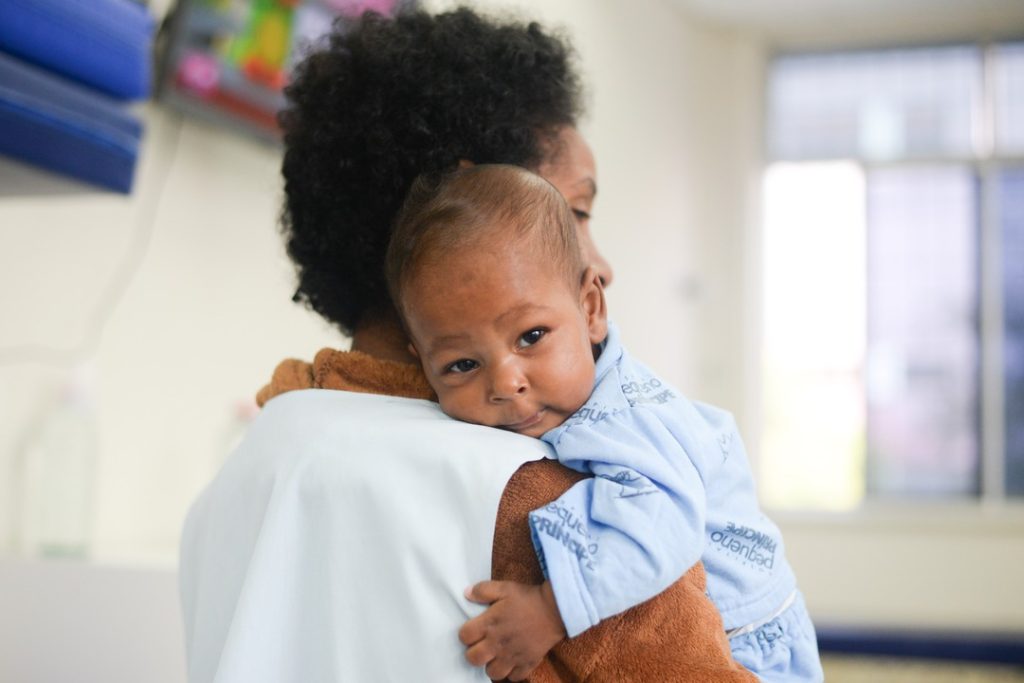
The study also highlights the complexity of the health demands treated by the Hospital. Among hospitalized children 24% have some type of disability, requiring specialized monitoring and continuous support for families throughout treatment.
The research also presents a racial profile of patients where 33% of patients and 42% of caregivers identify as Black or Brown, showing the significant presence of Black families among those seeking care at the institution.
Another notable aspect is the central role of mothers in hospital care. In 78% of cases, mothers stay with children during hospitalization, often needing to reorganize work routines and family dynamics to accompany treatment.
A social portrait of pediatric care
The portrait revealed by the research shows that healthcare needs often go beyond medical treatment. For many families, a child’s hospitalization occurs amid economic and social challenges that make this moment even more delicate. In these situations, healthcare also involves empathy, listening, and humanized initiatives that support families throughout the treatment journey.
The work of Pequeno Príncipe Hospital directly aligns with the United Nations Sustainable Development Goals, particularly SDG 3 — Good Health and Well-being, SDG 10 — Reduced Inequalities, and SDG 1 — No Poverty, by contributing to ensure that children and adolescents have access to the specialized treatment they need.
See more

Study identifies autism in 38% of children with spinal muscular atrophy type 1
The finding greatly exceeds the prevalence observed in the general population and suggests that the disorder may be underdiagnosed in this group
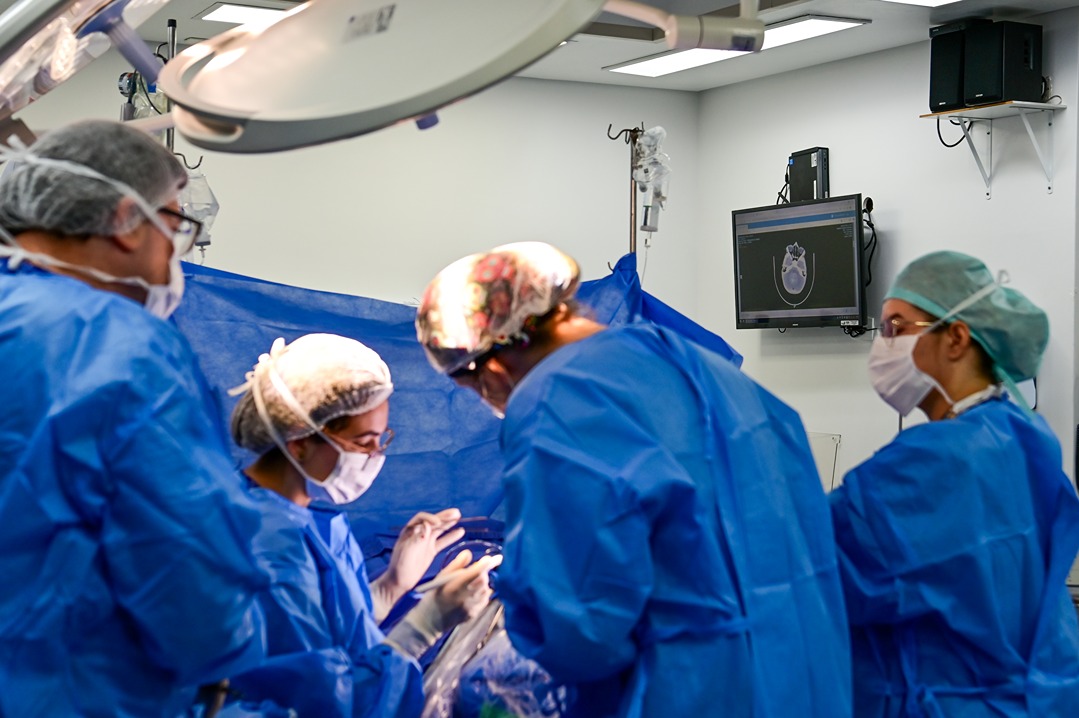
Social investments drive digital transformation at Pequeno Príncipe
Project supported by society is modernizing systems, strengthening data security, and improving care for children and adolescents

Social investment accounted for 47% of the funds allocated to projects at Pequeno Príncipe
Direct contributions and investments made through tax incentives supported improvements in safety, infrastructure, and care areas throughout the year

The year begins with achievements that reinforce excellence in teaching and research at Pequeno Príncipe
IPP’s Postgraduate Program in Biotechnology earns a Capes score of 6, while FPP medical students achieve the highest score on Enamed
Pequeno Príncipe Hospital treats more than 100,000 children in 2025 and reinforces its strategic role in SUS
76% of care was delivered through SUS (Brazilian Public Health System), with a high volume of hospitalizations, surgeries, and highly complex procedures