

Pequeno Príncipe brings specialized care to children in the Amazon
Telemedicine overcomes distances and strengthens care in Manicoré (Amazonas state), one of the most challenging regions in the country
In a territory where access to healthcare may require days of travel by rivers or precarious roads, specialized care is beginning to arrive in a more agile and effective way. In Manicoré, in Amazonas state, Pequeno Príncipe Hospital has been expanding access to healthcare for children and adolescents through telemedicine, connecting a remote region to the expertise of one of the largest pediatric centers in Brazil.
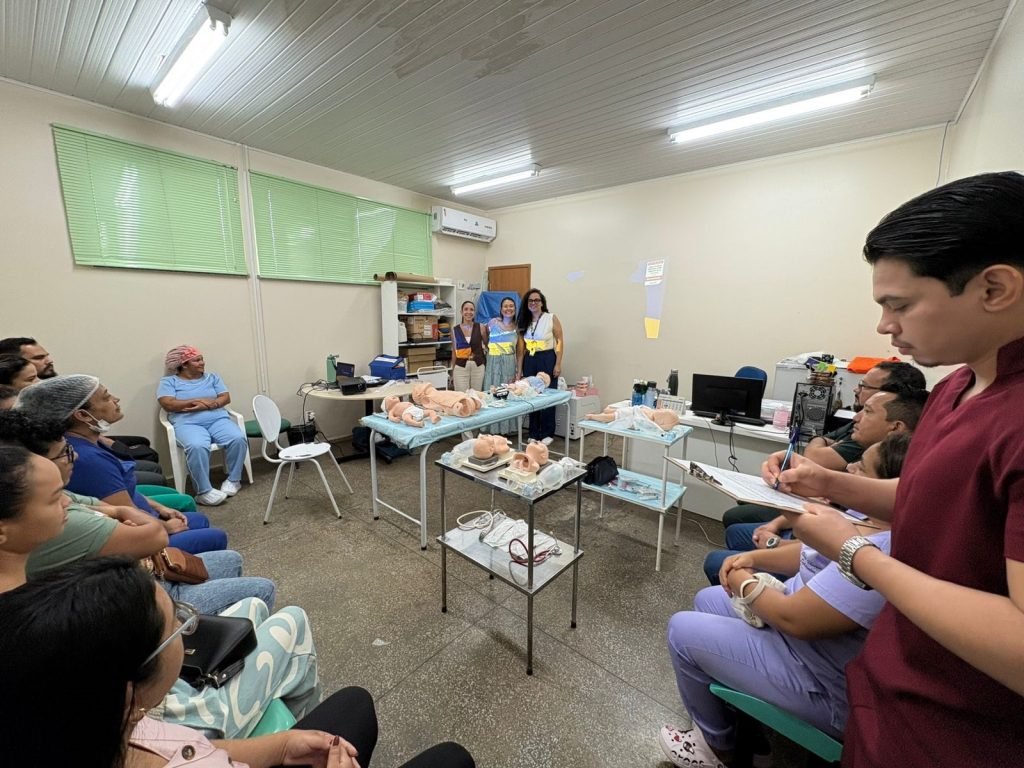
With approximately 57,000 inhabitants and a network that serves more than 230 riverside communities, the municipality faces logistical challenges that directly impact access to specialized care. To give an idea, the distance to Manaus can reach 377 kilometers by river, the main means of transportation in the region, making medical transfers long, complex, and, often, risky for patients in serious condition.
It is in this scenario that telemedicine becomes an essential bridge between local care and high complexity. “In regions like Manicoré, telemedicine is not just a technological innovation, it is a tool for equity. We are able to support local teams in clinical decision-making, reduce unnecessary travel and ensure that the child receives appropriate care at the right time, even being hundreds of kilometers away from a reference center,” emphasizes pediatrician Rafaela Wagner, manager of the Telehealth Service at Pequeno Príncipe Hospital.
Clinical support where there were previously no specialists
In Manicoré, the project operates on different fronts, all focused on improving pediatric care. Among them, tele-interconsultations in primary care and teleconsulting in pediatrics for the regional hospital stand out, which has a pediatric ward but does not have specialists in the city.
In practice, this means that local professionals now have, in real time, the support of Pequeno Príncipe teams for clinical decision-making, definition of conduct and case follow-up. Situations that would previously require immediate transfer can now be assessed with greater precision, reducing unnecessary travel and improving the care provided within the territory itself.
Training that transforms the local network
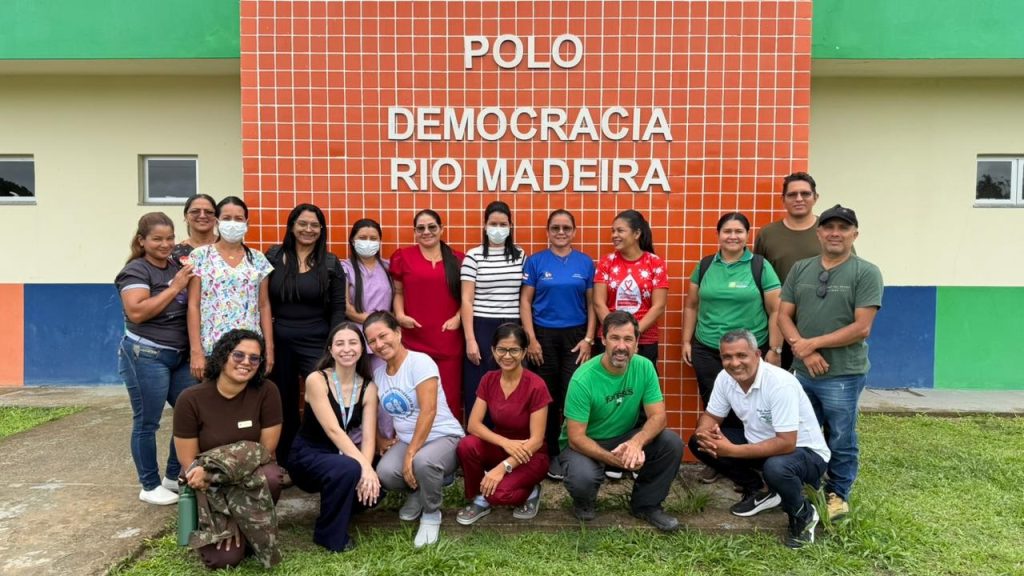
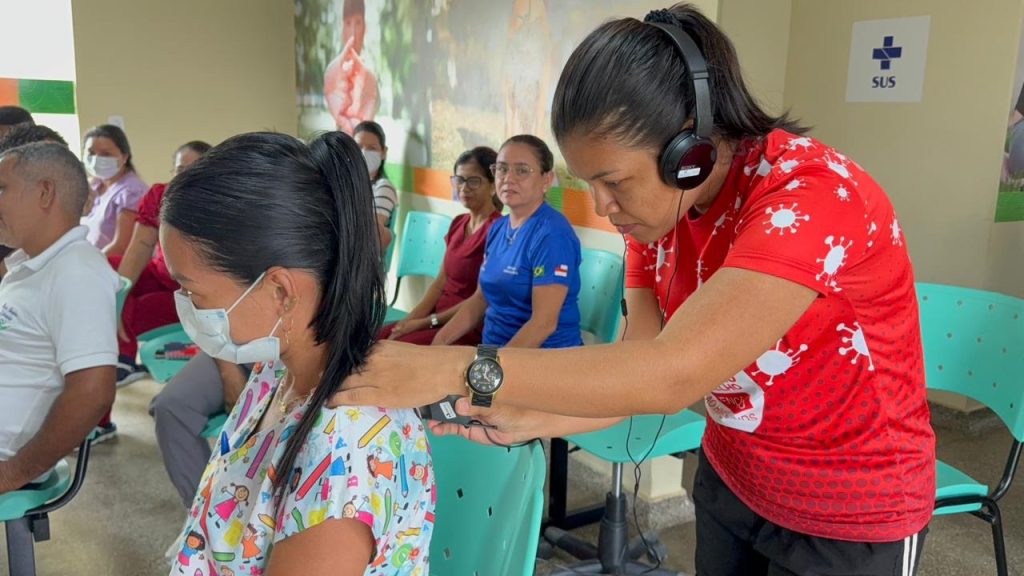
More than technology, the project brings knowledge. Pequeno Príncipe teams were in Manicoré providing in-person training in pediatric emergencies, neonatal resuscitation, clinical management, and use of equipment, in addition to implementing the entire telemedicine structure in health units.
Among the advances is also the delivery of essential equipment, such as mechanical ventilators with pediatric support, strengthening the response capacity of the local hospital in more severe cases.
This operating model — which integrates care, education and technology — allows the impact to be lasting, expanding the autonomy of teams and improving the quality of care offered to the population.
Telemedicine that connects Brazil
In recent years, Pequeno Príncipe has expanded its telemedicine initiatives, integrating technology, care, and education to reach different regions of the country and strengthen local health networks. Programs such as teleneurology and Bate-Bate Coração, for the interior of Paraná, teleconsulting in urgent care units (UPAs) in Curitiba, the tele-interconsultation program with the municipality of Iguape, in the interior of São Paulo state, in addition to actions focused on school health, are examples of how the institution has been using innovation to improve care, support healthcare professionals, and expand access to specialized diagnoses and treatments in diverse contexts across Brazil. In the pilot project carried out with a UPA in Curitiba, the initiative reduced by about 50% the need to refer patients for hospitalization, demonstrating the effectiveness of this care model.
“Bringing quality healthcare to children who live in remote regions of Brazil is an essential part of our mission. Telemedicine allows us to expand this reach, connecting knowledge, technology, and humanized care to transform realities and ensure that no child is left without assistance due to distance,” highlights Ety Cristina Forte Carneiro, executive director of Pequeno Príncipe Hospital.